Part 3
Now, the lie detector test. Maury's favorite prop. It's supposed to be the moment of truth. But here's the reality: polygraphs are not foolproof. Studies show accuracy rates around 80–90%, but they can be beaten. Sociopaths, trained liars, and even anxious truth-tellers can skew the results. In the 1991 film Dead Again, directed by Kenneth Branagh, a lie detector test becomes a key plot point. But it doesn't reveal the whole truth. Same with the 2009 documentary The Lie Detector. It exposes the flaws in polygraph technology. So even if Josh passes, it doesn't mean he's changed. It just means he hasn't slept with anyone else—yet.
The psychology of a cheater is complex. Some are serial philanderers. Others are opportunists. Josh seems to be a mix. He craves attention. He needs validation. He feels entitled to seek it wherever he can. And when he's caught, he blames Tara. That's not remorse. That's damage control.
Can a cheater really change? That's the question Tara is facing. And the answer isn't simple. Change requires honesty, accountability, and a willingness to rebuild trust. Josh has shown none of that. He lied to Maury. He lied to Tara. He even lied about Lacy. He's not ready to change. He's just ready to pass a test.
So when you watch The Maury Show, remember: the lie detector is just a tool. It can't measure remorse. It can't measure growth. It can only measure sweat and heart rate. And Josh? He's sweating. But not because he's sorry. Because he's scared of getting caught.
Tara's Dilemma: Should She Stay or Go?
You have probably seen the trailer for this episode: a tearful Tara, a smirking Josh, a lie detector test that supposedly clears him. But the real question isn't whether Josh slept with anyone. It's whether Tara can ever trust him again. And that question doesn't get answered by a polygraph.
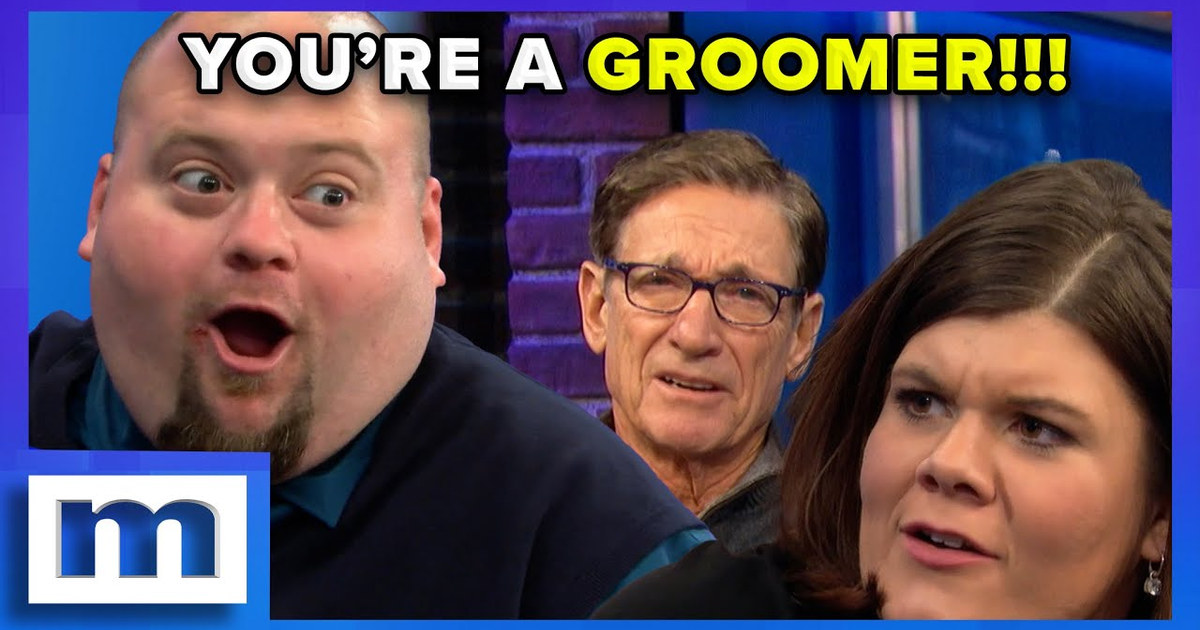
Tara feels robbed. She gave birth to their son eight months ago, and instead of basking in new motherhood, she's been playing detective. Josh admitted to emotional affairs and kissing a coworker. He bought that woman peanut M&Ms with Tara's Target gift card. He sang to her—the same songs he once sang to Tara. "He's grooming them," Tara says. She's not wrong.
Even though Josh passed the lie detector—he didn't sleep with anyone, he says—Tara is still furious. And she should be. The test may have cleared him of physical infidelity, but it didn't clear him of lying, sneaking, and emotional betrayal. As Tara puts it, "You ask Josh if the sky is blue, you have to go to the window to make sure." That's not a marriage. That's a full-time job.
This is the central dilemma of the episode, and it echoes real stories we've seen on screen. In Noah Baumbach's 2019 film *Marriage Story*, Scarlett Johansson's Nicole and Adam Driver's Charlie tear each other apart not because of a single affair, but because of accumulated resentments and betrayals. The lie detector might have been Josh's get-out-of-jail-free card, but Tara's pain isn't about a single act—it's about a pattern. Like Nicole, Tara is realizing that the person she married might not be the person she thought he was.
[[AD]]
Then there's *Love Is Blind*, the 2020 Netflix series that puts relationships under a microscope. Couples get engaged without seeing each other, then try to build a life together. The show's drama often comes from the gap between who someone says they are and who they really are. Josh says he's just friends with Lacy. Tara says he's lying. The lie detector says he's telling the truth about not sleeping with her. But truth isn't binary. It's messy, and it's shaped by context. In *Love Is Blind*, the couples who last are the ones who can rebuild trust after it's broken. Tara has to decide if Josh is worth that rebuild.
And let's not forget *Blue Valentine*, Derek Cianfrance's 2011 film starring Ryan Gosling and Michelle Williams. It's a brutal portrait of a marriage that rots from the inside. The couple starts with passion, then slowly disintegrates. By the end, you wonder if they ever really knew each other. Tara and Josh aren't there yet—they're still engaged—but the trajectory is familiar. Josh's emotional affairs, his dismissiveness, his refusal to take responsibility: these are the early cracks. *Blue Valentine* shows what happens when you ignore them.
So why does Tara stay? Why does anyone stay? Because society tells them to. Maury himself says, "You have a good man." But is he? A good man doesn't make his partner feel crazy. A good man doesn't buy another woman gifts with his fiancée's gift card. A good man doesn't sing to other women the same songs he sang to you. That's not a good man. That's a manipulator.
The pressure to forgive is real, and it's dangerous. In the 2002 film *Enough*, Jennifer Lopez plays a woman who finally fights back against an abusive husband. It's a thriller, but its core message is about recognizing when enough is enough. Tara isn't in physical danger (as far as we know), but she is in emotional danger. The constant gaslighting—"You're crazy," "You're paranoid"—is a form of abuse. And in the 2016 film *The Girl on the Train*, Emily Blunt's character is an unreliable narrator, but she's also a victim of manipulation. Tara isn't unreliable; she's just exhausted. She's been told so many times that she's wrong that she's starting to believe it.


