Part 4
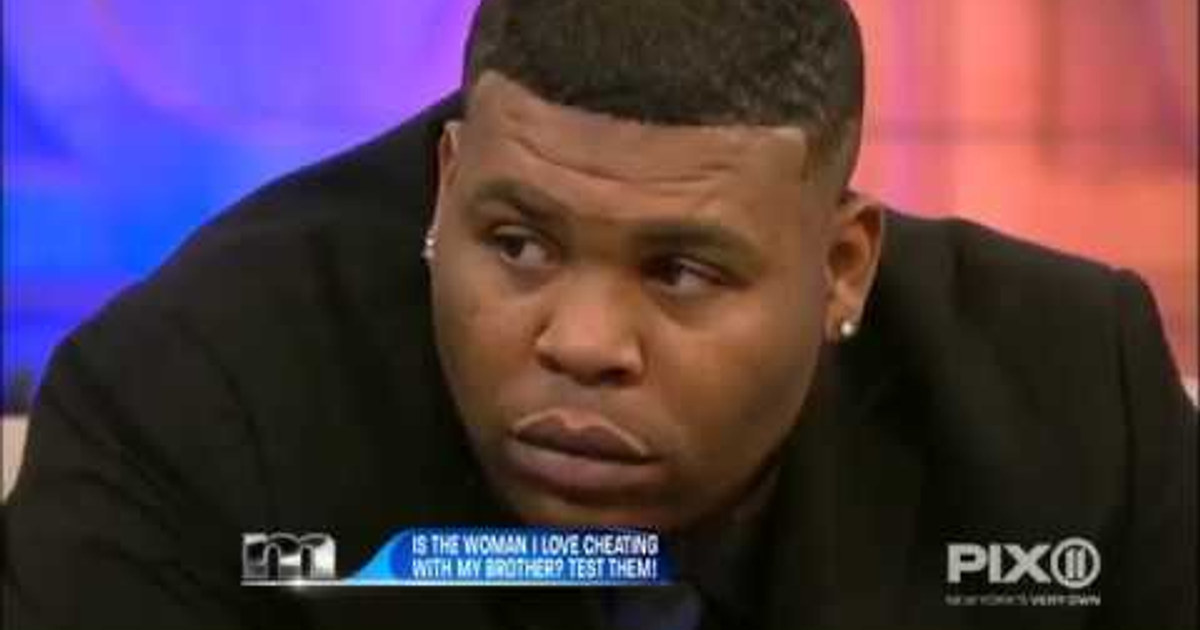
Derek’s reaction is the quiet storm in the middle of the chaos. He doesn’t yell. He doesn’t lunge. He just sits there, betrayed again, by the same brother who already crossed that line once. He tells the host he thinks they’re messing around. He’s not guessing. He’s connecting dots that everyone else is trying to erase. Ricky’s defense? He calls himself a “myth.” He says the women he talks to are in Texas and he’ll never see them. He admits he likes to nap after sex. He’s cavalier about the whole thing, like he’s describing a bad Yelp review instead of the wreckage of two relationships. That’s not a defense. That’s a confession with a shrug.
Shardidrick, meanwhile, is stuck in the worst kind of vindication. She was right about Ricky cheating — the failed polygraph proves that. But she was wrong about Myteeka. Does that make her feel better? Probably not. The trust is gone. It was gone the moment she found out he cheated the first time. Now she’s just collecting evidence for a case she already won. She brought Ricky back to the show because she feared he was hiding more secrets. She was right. He was. Just not the ones she thought.
Myteeka’s defense is almost sweet if it weren’t so ridiculous. She says Ricky is like a big brother. She loves him. But she also lets him drive her car — a car Derek has never even seen in a year of dating. She called out Ricky’s name during sex. Actions speak louder than words, and her actions are screaming. The host tries to keep order as everyone talks over each other. The audience gasps and applauds at every revelation. It’s a circus, but it’s a circus with a polygraph.
Here’s the thing about lie detectors: they don’t solve anything. They just give you a new set of questions. Ricky passed the Myteeka questions. He failed the rest. So he’s a cheater, but not with her. That’s the official story. But the name slip, the car keys, the tickling, the McDonald’s date — those aren’t lies. Those are facts. And facts don’t need a machine to be true. The fallout isn’t just about who cheated with whom. It’s about what happens when everyone in the room has a different version of the truth and no one is willing to blink. The unanswered questions pile up like dirty laundry. And the trust? That’s the real casualty.
Stop 5: What This Episode Says About Trust and TV Confessions
Step back from the couch. Look at the whole set. You’ve just watched a classic daytime talk-show ritual: a lie detector, a paternity test, a brother, a fiancée, and a woman named Myteeka. This isn’t just one messy relationship. It’s a microcosm of a genre that has been perfecting the art of televised confession since the 1990s. Think Maury Povich, Jerry Springer, Steve Wilkos. Their shows turn real people with real problems into spectacle, and we can’t look away.
The lie detector is the centerpiece. It’s a polygraph, which measures physiological responses—heart rate, sweat, breathing—not truth. But on TV, it’s treated as gospel. The audience gasps when the results are read. They applaud when someone is caught. The machine becomes a character, a truth-teller in a room full of liars. And that’s the point: it gives us a villain and a victim, a moment of clarity in the chaos.
But the real story here isn’t the machine. It’s the pattern of betrayal. Ricky cheated with Derek’s exes. He cheated on Shardidrick. He may not have slept with Myteeka, but he crossed boundaries—tickling, driving her car, being in the room during sex. Those aren’t nothing. They’re the small betrayals that erode trust long before the big one. And on a show like this, they’re the evidence that keeps the audience hooked.
The name slip is the kind of detail that sticks with you. When Ricky says “Shardise” instead of “Shardidrick,” it’s a Freudian slip—a verbal stumble that reveals what might be going on subconsciously. He’s been with Shardidrick for almost two years, but in the heat of denial, another name comes out. Is it a habit? A hidden truth? On TV, it’s a clue. The audience hears it. The host pounces. And suddenly, the lie detector results mean even more.
So what happens next? Shardidrick has to decide if she can trust Ricky again. Derek has to decide if he can trust Myteeka. Ricky says he wants to prove his innocence, but the lie detector already showed he’s lying about other women. The episode doesn’t end with a clean resolution. It ends with questions. That’s the genius of the format. It leaves you wanting more, even as you cringe.
And now go back and watch the opening again. Notice how the earring and lipstick were mentioned early. How the tickling was dismissed as “playing.” How the car key was just a logistical detail. On a second viewing, every small thing is a clue. The show plants seeds, and we water them with our attention. That’s why these episodes stick with us. They’re not just about the people on stage. They’re about how we watch, what we believe, and why we can’t stop.
Next time, we’ll break down the psychology of lie detector tests and why they’re so compelling on TV. Until then, keep your eyes on the small details. They’re always the ones that matter.


