Part 3
This isn't just a daytime TV quirk. Public paternity fights have turned on the same mistake for years. People looked at a kid, looked at the alleged father, and decided the resemblance told the story. Then the science came back and embarrassed everybody. The lesson never sticks because the human brain loves a face match more than it loves a lab report.
Now here's where I'll give Alton something the consensus won't. His doubt isn't really about looks. It's about history. He says his last marriage ended because he was cheated on, and he 'knows all the signs.' That's a man running on scar tissue. When you've been burned, you read every room as a threat. A missing wife at lunch. A coworker's rumor. A family member spotting someone at a casino. None of that is proof either, but it explains the hypervigilance. He's not cartoon evil. He's a guy whose trust got broken once and never fully healed.
That doesn't make him right. It makes him human. And it's a very different story than the one the crowd is telling.
Because the crowd's story is simple: the baby doesn't look like him, so he's lying. But 'doesn't look like him' was never evidence. It's a vibe. And vibes have sent a lot of innocent people through the wringer.
[[AD]]
Let's be fair to Shameka, because her pain is real and it deserves to be named. She went through a miracle pregnancy. She lost one twin. She delivered Nehemiah at 23 weeks and 6 days, a premature baby with a grade four brain bleed on one side and a grade three on the other. Doctors didn't even want to revive either baby. She fought for that child's life. And then her husband turned his back on their son. That is a wound no verdict can heal.
But pain is not proof. Grief is not genetics. A mother's love for a child she nearly lost doesn't tell us who the father is. Neither does a father's suspicion. The only thing on that stage that can actually answer the question is the DNA test. Everything else, the looks, the rumors, the casino, the coworkers, the tears, is noise.
So when the audience decides the case with their eyes, they're doing exactly what Alton is doing. They're guessing. They're just guessing in the opposite direction. And a guess is a guess, no matter how confident the crowd looks.
The consensus says Nehemiah looks nothing like Alton, so Alton must be wrong. I say a child's face is not a paternity test, and treating it like one is how we end up yelling at strangers on national television. The lab coat doesn't care what the baby looks like. Neither should we.
The Strongest Case Against Alton—and Why It Still Doesn’t Justify the Hate
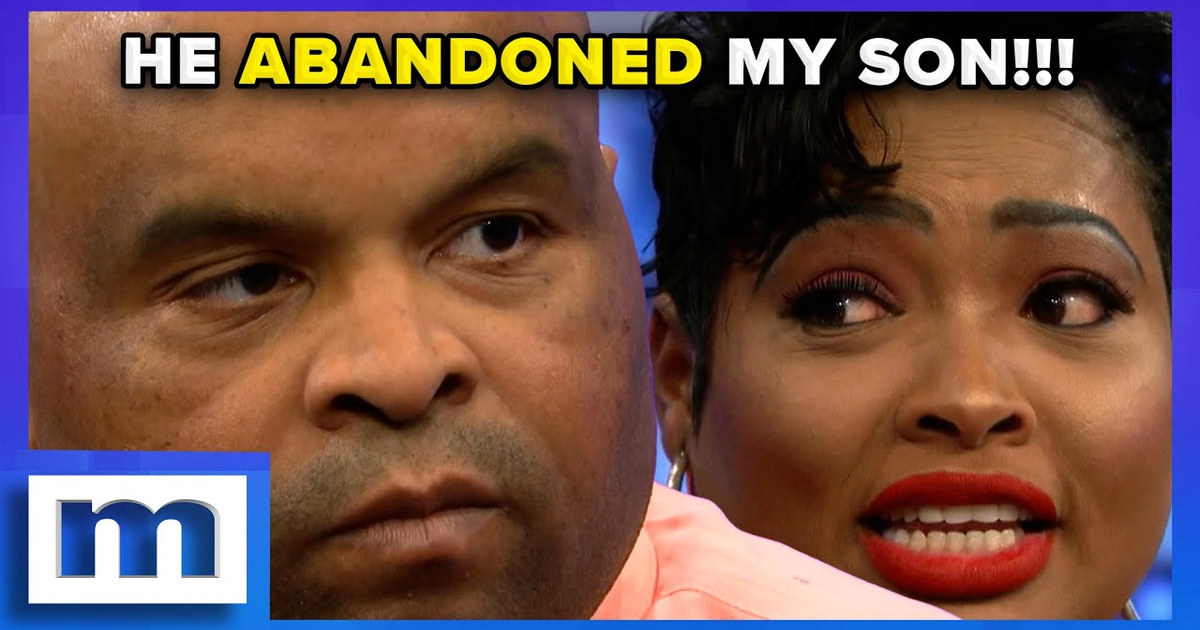
Let’s give the other side its due. If you’re team Shameka, you have a real argument, and it’s stronger than the casino rumors or the “he looks nothing like Alton” chants. Alton himself admitted it: “I was there with Shameka through a whole pregnancy.” He took a leave of absence. He was in the delivery room when Nehemiah was born at 23 weeks and 6 days—a micro-preemie who suffered a grade four brain bleed on one side and a grade three on the other. Doctors didn’t even want to revive the twins. Shameka lost one baby. Nehemiah survived. And then, when Nehemiah was four months old, Alton walked out. Not because of a DNA test result—because of rumors. That’s the case against him, and it’s brutal.
Shameka’s reaction—kicking him out the second he asked for a DNA test—isn’t just understandable. It’s the only sane response. She had a medically fragile infant at home. Every ounce of her energy was going into keeping Nehemiah alive. Then her husband comes at her with accusations based on what his coworkers said and what his family saw at a casino. Of course she snapped. Of course she told him to get out. She wasn’t hiding a secret—she was protecting her son from a man who seemed more interested in proving a point than in being a father. The audience’s anger at Alton isn’t manufactured. It’s rooted in real harm. A sick baby needed his dad, and his dad left.
That’s the strongest version of the anti-Alton case. It’s not about how Nehemiah looks. It’s not about a casino. It’s about abandonment. And if you’re a parent—especially a parent of a preemie—that hits like a punch to the chest. I get it. I really do.
But here’s where the consensus goes wrong: it treats the abandonment as proof of guilt. It’s not. It’s proof of a broken marriage, a panicked man, and a situation that spiraled out of control. Alton didn’t leave because he knew he wasn’t the father. He left because he believed he wasn’t—and he believed it based on what he thought was evidence. That distinction matters. If Alton is the father, then yes, he owes Nehemiah support, love, and a lifetime of making up for those four months. He owes Shameka an apology. He owes everyone a reckoning. But if he’s not the father? Then he was right to question. He was right to ask for a DNA test. And the fact that he asked doesn’t make him a deadbeat—it makes him a man who wanted the truth before he gave his heart to a child who might not be his.


