Part 2
Genre-Craft: Casino Night, the Ex, and the Machine That Makes a Verdict Feel Inevitable
If you're the viewer who came for the genre — the DNA reveal, the lie detector, the crowd gasp — this is your section. But if you're the viewer who came for the craft, stick around. The machinery underneath is just as interesting. Let's take the genre seat first.
The story, as the show presents it: Nick wants to know if he's the father of Amira. Miranda told him she was pregnant. A week later, his friend caught her at the casino holding hands with her ex. The ex slept at her house. Miranda swore nothing happened. Then she admitted they kissed. Four years of silence followed.
That's the logline. But the staging is where the genre pleasure lives. Nick is backstage. Miranda is on stage. The host narrates the history to the audience — a kind of live-action recap. The boyfriend is brought out later. This is a staged reveal, and the staging is part of the genre. It's not a bug; it's a feature. The show knows you know the beats. It just wants to watch you squirm while they play them.
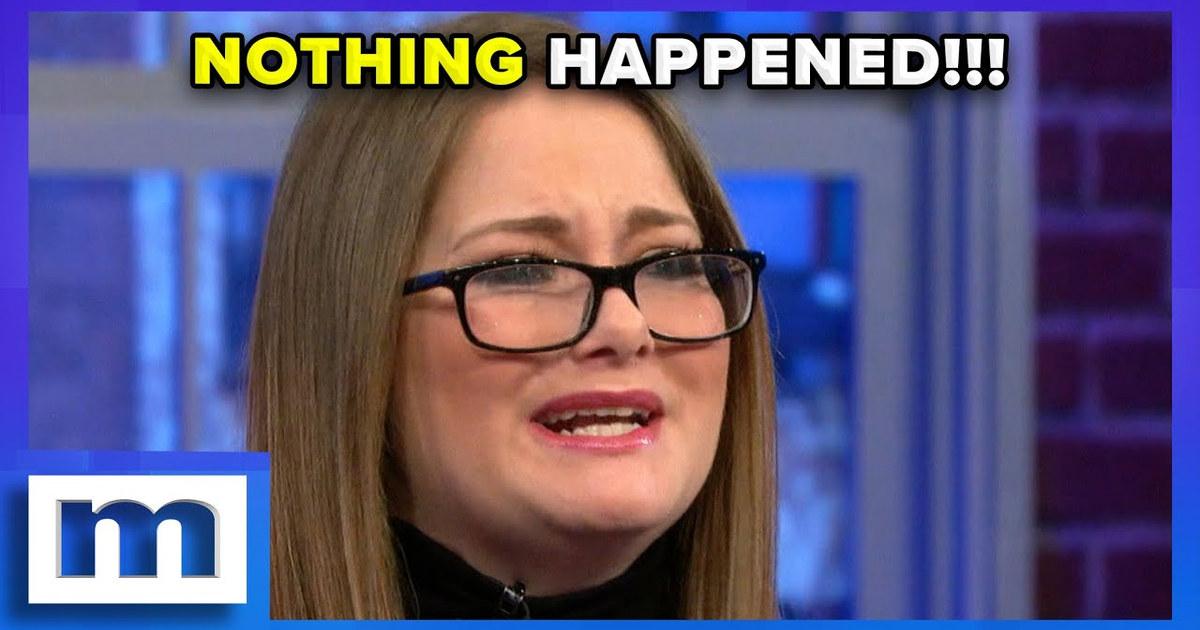
Miranda's on-stage testimony is a masterclass in genre deflection. She says you can't get pregnant holding hands or kissing. She says her story never changed. She admits she didn't tell Nick about the casino night — his friend did. She says she told him about the pregnancy first, and he was nervous but excited before the casino revelation changed everything.
[[AD]]
Nick's testimony is the counterweight. He says he was happy about the pregnancy. Then his friend called. He says Miranda changed her story five times. He shut down and left for almost four years. He came back in October, met Amira for the first time, and is starting to fall in love with her. He says he can't commit unless he knows the truth.
And then there's the Facebook detail — a genre beat so perfect it feels scripted. Miranda sent Nick pictures every couple months for three years. Facebook showed he read them. He never responded. Then he came back in October. This is the slow-burn reconciliation arc that makes the final verdict land. It's not just about DNA; it's about whether Nick can trust again.
The genre viewer's payoff isn't just the verdict. It's the permission to feel relief. The DNA result and the lie detector results arrive together. The crowd applauds. Nick is the father. Miranda passed the lie detector. The machine that makes a verdict feel inevitable has done its job.
[[VIDEO]]
But here's the craft question: how much of this is engineered? The casino, the hand-holding, the kiss, the four-year silence, the three-year-old who looks like Nick — it's all designed to build a specific kind of tension. The show knows that the genre viewer wants a clean resolution. The craft viewer wants to see how the sausage is made. And in this case, the sausage is made with a lie detector and a DNA test, delivered with perfect timing.
So the genre viewer gets the melodrama: the casino, the ex, the betrayal, the silence, the reunion. The craft viewer gets the mechanics: the backstage/on-stage split, the host as narrator, the delayed reveal of the boyfriend, the Facebook receipts, the dual-test climax. Both audiences are satisfied, but for different reasons. And that's the trick.
Pure Craft: Editing, Test Design, and the Engineering of a Satisfying Ending
If you’re the viewer who came for craft, you’re not here for the yelling. You’re here for the machine. And the Maury paternity-test episode is a machine—a beautifully calibrated one. Let’s pop the hood.
The episode sequences information like a three-act play. Act one: backstory. We learn Miranda’s ex slept over four years ago, she admitted to a kiss, and Nick’s trust shattered. Act two: Miranda’s testimony. She insists she never slept with the ex, that Nick’s friend caught them holding hands at a casino, and that she’s been consistent. Act three: Nick’s entrance. He walks out, sees the kid, and the audience gets the visual gut-punch—she looks just like him. Then the DNA result. Then the lie detector. Each step narrows the possibility space. By the time we hit the lie detector, there’s only one question left: Is Miranda telling the truth about fidelity?
That order isn’t accidental. The DNA answers paternity. The lie detector answers trust. If you flip them, the episode collapses. Paternity alone doesn’t solve Nick’s problem—he already suspects he’s the father. What he can’t get past is whether Miranda cheated. So the show saves the lie detector for last, because it addresses the trust problem that paternity alone cannot solve. It’s a classic dependency graph: you can’t resolve the trust issue until you’ve resolved the paternity issue. The show respects that logic, even as it milks every second.
Now look at the lie detector questions themselves. They’re not random. They’re a designed set, each mapping to a specific doubt Nick raised. Question one: Did Miranda sleep with her ex the night he slept over? That’s the original sin. Question two: Did she sleep with any man other than Nick when they were together? That’s the broader fidelity check. Question three: Since they’ve been back together, has she slept with any other man? That’s the present-tense trust test. Three questions, three eras: past, past-relationship, present. The test isn’t a prop; it’s a structured rebuttal. It’s as if the producers sat down with a list of Nick’s grievances and wrote an exam for Miranda to pass. And she knows it. “I’m going to pass it,” she says. Twice. That’s not confidence—that’s a performance of confidence, which is exactly what the format demands.


