Part 4
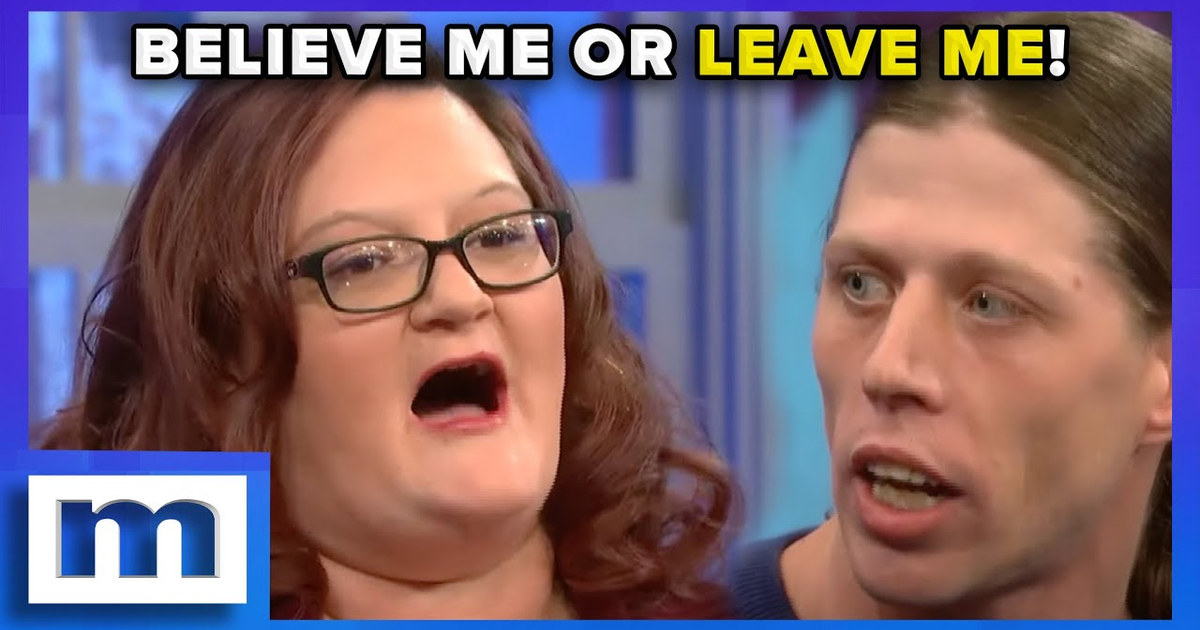
The scene ends with Jacob saying he wants KP out. “When these goats come back, I want her out.” He means results. He means the envelope. And the host — the steady cam — doesn’t push. He just lets it sit. That’s the cut. That’s the beat. And that’s when you know the reveal is coming.
Scene Beat Three: The Reveal — What to Watch For When the Envelope Opens
Maury holds the envelope like it’s a loaded weapon. He says, “We got the answer right here,” and the room goes dead quiet. That’s not an accident. That’s a sound guy killing the room tone, a floor director freezing the audience, and a host who knows exactly how long to hold before he tears the flap. I’ve shot second-unit on enough procedurals to know a manufactured beat when I see one. This is manufactured, and it’s perfect.
The envelope is a prop, but it’s the most important prop in daytime TV. It’s a MacGuffin, a ticking clock, and a character all at once. Maury doesn’t rush it. He lets the paper crackle. He lets the pause stretch until it’s uncomfortable. That pause is a cut point. In the edit bay, that’s where you slice. But here’s the thing: the show doesn’t cut away during the read. Not once. The camera stays on Maury’s face, then whips to Jacob, then Jessica, then back. That’s a single take, and it’s deliberate. No cutaways to reaction shots. No safety net. You’re trapped in the moment with them.
I’ve seen directors blow this. They cut to the audience, cut to a wide, cut to a close-up of hands. Maury’s team doesn’t. They trust the host. They trust the silence. That’s a confidence you don’t see on scripted TV. On a network drama, you’d have a Steadicam operator circling, a dolly push, a crane shot. Here, you get a locked-off medium and a slow zoom that feels like it’s breathing. That’s a 100mm lens wide open, probably an f/2.8, throwing the background into a soft blur so all you see is the envelope and the eyes.
Then Maury reads it. “In the case of 10-month-old Draven, Jacob, you are the father.”
Boom. The room erupts. But watch the mechanics. Maury doesn’t shout it. He delivers it like a verdict. That’s a single take, no ADR, no re-record. You can hear the mic clipping when the audience explodes. That’s real. That’s the sound of a room losing its mind. And the camera stays on Jacob. He doesn’t cry. He doesn’t jump. He just nods, like he knew it all along. That’s the payoff of the blocking from the hospital room and the couch. The whole episode has been building to this one nod.
Jessica doesn’t gloat. She turns to KP and says, “I want you out.” Two seconds later, KP says, “I sure will.” That’s the aftermath. No screaming match. No chair-throwing. Just a cold eviction. And then Maury does something unusual. He doesn’t stir the pot. He gives advice. He says sometimes you just don’t repeat things people tell you, maybe they have an agenda, go live your life, leave them alone. That’s the host as therapist, as father figure, as the only adult in the room. It’s a closing argument, and it lands because he’s earned it.
Here’s the inversion that makes this episode sing. “You are not the father” is the show’s signature. It’s the line that launched a thousand memes, the line that every viewer waits for. But here, it’s flipped. The father is confirmed. The intruder is expelled. That’s the whole arc. Jacob doesn’t lose a son. He gains a family. KP doesn’t win. She gets evicted. The DNA test isn’t a bomb. It’s a lock on the door.
I’ve seen this kind of inversion in cinema. It’s the ending of The Sixth Sense (1999, M. Night Shyamalan, 107 min). You think you know the twist, but the twist is that there is no twist. The truth was there all along. Or take Gone Girl (2014, David Fincher, 149 min). The reveal isn’t who did it. It’s who stays. Here, the reveal isn’t that Jacob is the father. It’s that Jessica chooses him over the chaos. That’s a character beat, not a plot beat. And Maury, to his credit, doesn’t oversell it. He lets it sit.
So what do you watch for the next time you see a Maury reveal? Watch the host’s hands. He holds the envelope with both hands, thumbs on the flap. That’s a grip you learn in broadcast school. It keeps the paper from shaking. Watch the guest’s eyeline. Jacob looks at Maury, then at Jessica, then at the floor. That’s a triangle of trust. He’s checking the source, the partner, and himself. And watch where the cut lands. The show doesn’t cut away during the read. It cuts after. That’s the edit point. That’s where the drama lives. Not in the DNA. In the timing.
I’ve shot second-unit on a lot of sets. I’ve seen directors chase emotion with camera moves. Maury’s team doesn’t chase. They wait. They let the moment come to them. That’s a lesson from the Robert Altman playbook. Altman would let scenes run long, let actors overlap, let the camera find the truth. Maury’s show is Altman for the afternoon. It’s not high art. But it’s high craft. And Jessica and Jacob are the proof.
Seven years later, the Dorian question still hangs in the air. Did the first son ever get a second test? That’s the tease for next time. But for now, remember this: the drama is in the edit, not the DNA. The envelope is just paper. The pause is the power. And the host’s hands are the steadiest thing on television.
The Maury Povich DNA test isn’t just a segment. It’s a masterclass in second-unit cinema. Watch it like a filmmaker. You’ll never see a paternity reveal the same way again.


