Part 4
And what it told was this: Carl lied. Not once. Not twice. Six times. The machine doesn't care that he says he was helping Alante move. It doesn't care that he claims the watch was a gift for manual labor. It doesn't care that he insists he doesn't eat at Burger King. The machine just knows what his body did when the questions were asked—the sweat, the pulse, the breath. And his body told the truth his mouth wouldn't.
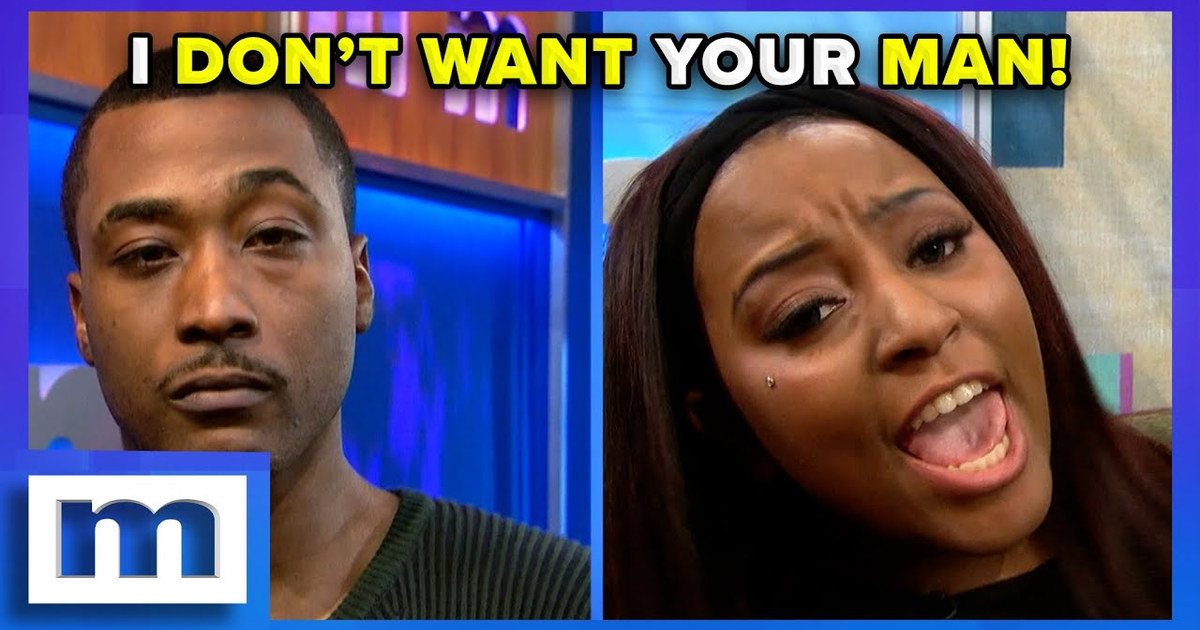
Now, let's back up. Because before Carl ever sat in that chair, Alante had her turn. And her interview is its own kind of bomb. She says she's gay. She says she doesn't want Carl. She says she gave him the watch—yes, that watch—but not because she was sleeping with him. She calls him a dirty dog. She says there have been many incidents with what she calls 'Burger King hoes.' The audience laughs, because it's absurd, because it's specific, because it's the kind of detail that only comes from someone who's been in the room. Carl's response? He says he doesn't eat at Burger King. He eats Wendy's. It's the kind of deflection that would be funny if it weren't so sad. He's arguing about fast food while his relationship burns down around him.
Alante's interview is the setup. The polygraph is the payoff. And the payoff is brutal. Because if Alante is telling the truth—and the machine says Carl isn't—then the watch wasn't just a gift. It was a receipt. A marker. A thing that shouldn't exist in a faithful relationship. And now it sits on the wrist of a man who has been proven, by his own biology, to be lying about everything that matters.
Think about the watch for a second. It's not just jewelry. It's a symbol. In *Pulp Fiction* (1994, Quentin Tarantino, 154 minutes), a watch is a family heirloom with a history so dark it becomes a curse. In *The Godfather* (1972, Francis Ford Coppola, 175 minutes), gifts are obligations—you take them, you owe something. Here, the watch is simpler and uglier: it's evidence. It's the thing Cassandra noticed because she knew she didn't buy it. It's the thing Carl lied about until he couldn't. It's the thing that led to this moment, to this chair, to this machine.
And now the machine has spoken. The watch is still on his wrist. But it's not a gift anymore. It's a timestamp. It marks the exact moment the truth came out. Cassandra finally speaks. She says he's out. Two words. No shouting. No tears. Just the flat finality of someone who has heard enough. The audience applauds, but it's not a happy applause. It's the kind you hear at the end of *Requiem for a Dream* (2000, Darren Aronofsky, 102 minutes)—relief mixed with exhaustion, the sense that something terrible has finally, mercifully, ended.
The watch is just a watch again. It tells time. It doesn't tell lies. But the time it told was the end. Cassandra walks off set. Carl sits there for a second, alone in the chair, the machine still humming beside him. The host moves on to the next segment. The audience settles. And somewhere backstage, Alante is probably already texting someone, because the show is over, but the story isn't. It never is. That's the thing about a lie detector. It doesn't just detect lies. It detects the moment when someone decides they'd rather be caught than keep pretending. And once that moment happens, there's no going back. The watch ticks on. But the time it's keeping now belongs to someone else.


