Part 2
I've seen this play out on set. The director calls for the reaction shot, the camera operator zooms in, and the lighting stays perfectly even. There's no dramatic shadow to hide behind. The guest is exposed, literally and figuratively. That's the power of Maury's cinematography. It doesn't just record the confession; it manufactures it. And when the DNA results come in—'Rick, you are the father'—the lighting doesn't change. It doesn't need to. The truth is already blinding.
The Reveal as Third Act: Editing, Pacing, and the DNA Test Climax
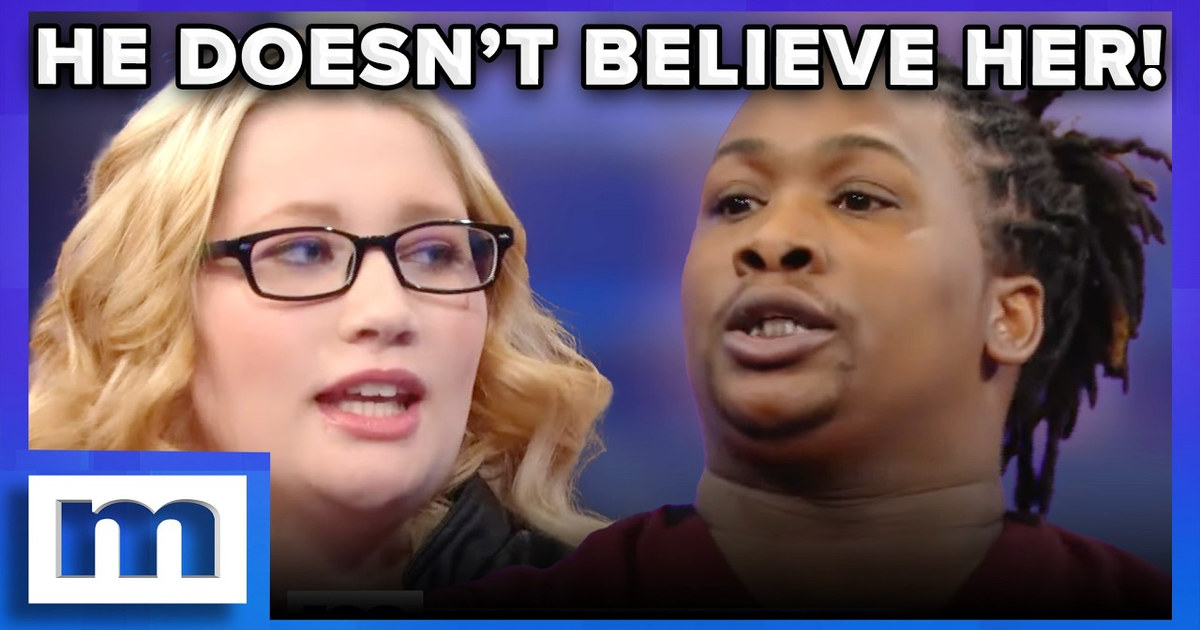
Maury Povich leans into the mic, the studio lights catching the sweat on his brow. "In the case of one-year-old Kazari, Rick, you are the father." The audience erupts. Whitney's face crumples into a sob. Rick's jaw goes slack. Then Maury delivers the second blow: "A four-month-old Zyla. Rick, you are the father." Two kids, two verdicts, one shattered denial. It's a scene that plays out week after week, yet it never loses its gut-punch. Why? Because the DNA test reveal isn't just a plot point—it's a masterclass in editing rhythm, a clinic in building tension through reaction shots and sound design that would make a thriller director jealous.
As a cinematographer who's shot second-unit on everything from indie dramas to network procedurals, I can tell you: what happens in that moment is no accident. It's a carefully orchestrated symphony of cuts, pauses, and sonic cues that turn a paternity test into a third-act climax. Let's break down the craft.
The Cut That Kills: Reaction Shots and Split-Screen
The first rule of tension: never let the audience look away. When Maury reads the results, the camera doesn't stay on him. It cuts—fast—to Whitney's face. She's already crying, hands clasped, eyes wide. Then a hard cut to Rick. His stunned expression is the money shot: mouth open, eyes darting, the realization that his six-and-a-half-year denial just crumbled. This isn't random. It's the same grammar Alfred Hitchcock used in Psycho (1960) during the shower scene—cutting between the knife, the victim, and the drain to maximize impact. Here, the "knife" is Maury's voice, and the "victim" is Rick's ego.
But Maury's editors take it a step further with split-screen. During the reveal, they'll often show Maury on one side and the couple on the other, a technique popularized by the action series 24 (2001–2010). That show's creator, Joel Surnow, used split-screen to depict simultaneous phone calls and tense standoffs. Reality TV adopted it because it lets viewers see everything at once—no reaction is missed. In the Rick and Whitney segment, the split-screen captures Whitney's tearful nod and Rick's frozen disbelief in the same frame. It's visual multitasking, and it's devastating.
The pacing is equally deliberate. Maury doesn't rush. He pauses after "In the case of one-year-old Kazari..."—just long enough for you to squirm. That pause is the editing equivalent of a held breath. Then he drops the verdict. The cut to Whitney is immediate, but the cut to Rick lingers a beat longer. Why? Because his reaction is the payoff. The editor knows we've been waiting for this moment since Rick first said, "I don't think they are." It's a classic setup-and-payoff structure, the same one Martin Scorsese used in Goodfellas (1990) when Henry Hill's life unravels—except here, the stakes are two kids and a destroyed relationship.
[[AD]]
Sound Design: Gasps, Stings, and the Silence Before the Storm
If the editing is the skeleton, sound design is the muscle. The DNA test reveal is a sonic rollercoaster. First, there's the hush before Maury speaks. The audience—trained by years of watching—goes quiet. You can hear the air conditioning. That silence is golden. It's the same technique used in Who Wants to Be a Millionaire (1998–present), where host Regis Philbin would pause before revealing whether the contestant's answer was correct. The silence stretches, and your heart pounds.
Then comes the verdict, followed by a dramatic sting—a short, sharp musical jab that underscores the shock. It's not subtle. It's a brass hit, a cymbal crash, the kind of cue you'd hear in a 1950s melodrama. But it works. The sting is immediately followed by the audience's gasp, a collective inhale that sounds like a wave crashing. That gasp is real, and it's mixed high in the audio. It's the same crowd reaction you hear on Survivor (2000–present) when Jeff Probst reads the votes. The difference is that Survivor's reactions are often hushed, while Maury's audience lets out a full-throated roar.
And let's not forget the music that plays under the reveal. It's a tense, pulsing bed—usually a minor-key synth or string ostinato—that builds as Maury opens the envelope. It's reminiscent of the score in The Silence of the Lambs (1991) when Clarice Starling walks down the death row corridor. The music doesn't overpower; it simmers. Then, when the verdict hits, it cuts out abruptly, leaving only the raw emotion. That silence after the sting is just as important as the sting itself. It's the audio equivalent of a punch to the gut.
Maury Povich: The Authoritative Narrator
[[VIDEO]]
You can't talk about the DNA test reveal without talking about the man who delivers it. Maury Povich has been hosting this show for 31 years—since 1991—and his delivery has become iconic. He's not just a host; he's a narrator, a judge, and a therapist all in one. His cadence is unmistakable: a slight pause, a tilt of the head, then the verdict. "In the case of one-year-old Kazari... Rick, you are the father." He stretches the name, lets it hang, then lands the punch. It's the same technique Rod Roddy used on The Price Is Right (1972–present) when he'd announce, "A new car!"—except Maury's prize is truth, and the cost is often a relationship.


