The consensus is that Chase Venstra was the obvious, textbook suspect the moment 19-year-old grain farmer Dylan Rounds vanished into the scorched expanse of the Utah desert — and I think it is wrong, here is why.
When word tore through Montello and the Lucin desert that Dylan had disappeared without a trace, leaving his custom grain operation completely silent, local panic instantly gravitated toward a familiar boogeyman. The narrative formed almost instantaneously across town gossip and early investigative sweeps: Dylan had crossed paths with a known, volatile outlaw with a history of armed standoffs and barroom violence, and paid the ultimate price for being an ambitious outsider flaunting cash.
It is an easy, cinematic story to buy into. It paints a picture of modern Western lawlessness where an innocent kid falls victim to the local bad boy. But when you step back and strip away the small-town hearsay, chasing that consensus narrative did not illuminate the mystery — it actively obscured the calculated violence playing out in plain sight.
[[AD]]
Before digging into the cracks of this case, here is a necessary warning: this breakdown examines explicit real-life investigative details and violent developments surrounding Dylan Rounds' disappearance.
Dismantling the Outlaw Boogeyman Myth
The first major pillar of the consensus rests on Chase Venstra's terrifying reputation. In a high-stakes investigation, local lore often masquerades as actionable intelligence. Witnesses in the Montello Cowboy Bar and even community members passing tips painted Venstra as an omnipotent menace who supposedly stalked the rural roads, pistol-whipping homesteaders and picking fights with anyone in his path.
Because Venstra had an active warrant and a history of a 10-hour standoff with police back in 2016, observers assumed criminal energy equals guilt in every open case. It created confirmation bias at a massive scale. When Dylan's mother recounted that her son had met a shoeless Chase asking for a phone call days prior, that encounter became an all-consuming focal point.
Yet being a reckless, violent drifter does not automatically make someone a master of covert desert disposals. The consensus treated Venstra as a calculated mastermind who could flawlessly execute a disappearance without leaving an immediate trace, ignoring that his actual track record was erratic, loud, and messy. Focusing entirely on the 'town outlaw' trope let investigators and armchair detectives chase a ghost through empty houses while the actual scene went cold.
[[AD]]
The Blind Spot of the Friendly Neighbor
The second fracture in the popular take is the uncritical acceptance of the 'helpful neighbor.' The prevailing assumption early on was that Dylan's neighbors and mentors were an extension of his support system, banding together in grief and solidarity to assist law enforcement. That presumption was dangerously naive.
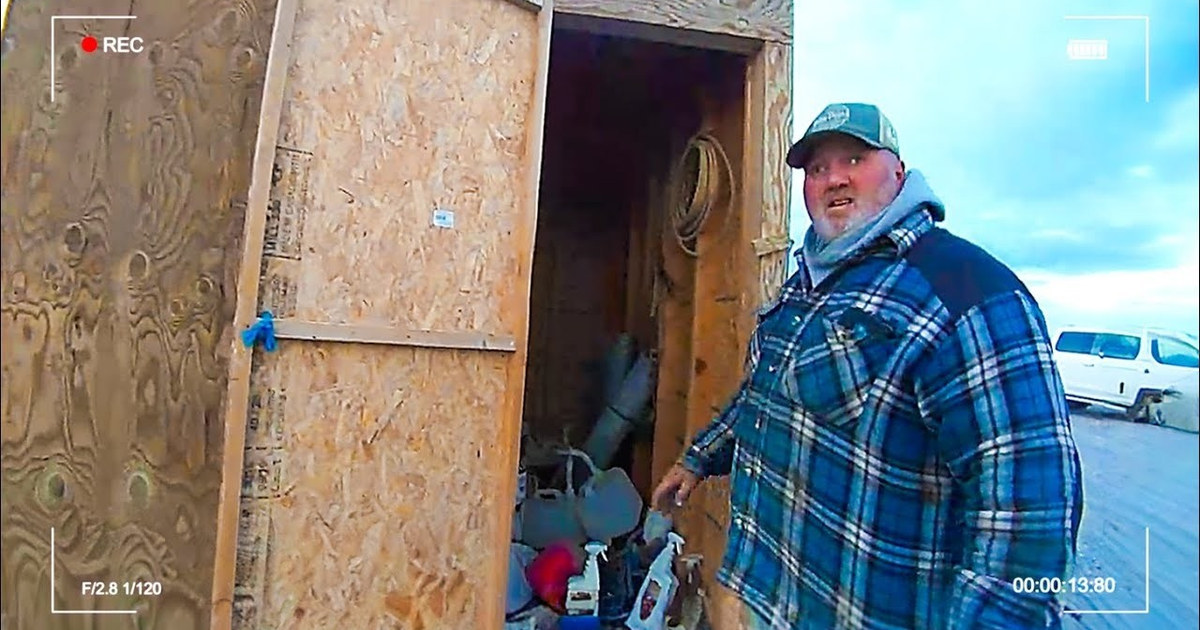
Take Jim Brenner, who was living right beside Dylan's operation. When the first deputy rolled out into the remote terrain, Brenner flagged down the patrol car, immediately directing suspicion away from the property and onto Chase Venstra and the Montello bar crowd. Brenner handed over the classic redirection narrative: Dylan was shooting his mouth off, making enemies, and getting shaken down by local thugs.
What the consensus glossed over was Brenner's astonishing Freudian slip during that initial contact: warning the deputy to hurry up 'before they disturb the crime scene.' At that moment, no crime had been reported or confirmed; Dylan was merely unaccounted for. Taking the neighbor at face value because he was physically present and offering casual timelines allowed a primary person of interest to control the narrative from minute one.
[[AD]]
Misreading the Physical Evidence and the Staged Scene
The third piece that dismantles the consensus view is how the physical clues were interpreted. When searchers discovered Dylan's bloodstained boots discarded roughly a hundred yards south of the shed behind a dirt pile, the knee-jerk reaction was to view it as evidence of a chaotic roadside abduction carried out by a roving criminal.
However, this evidence reeked of clumsy staging rather than a random desert mugging. The boots were dropped within clear proximity to Dylan's day-to-day base of operations, sitting in the open while crucial digital artifacts and weapons remained completely unaccounted for. Furthermore, Dylan's trailer experienced bizarre, surreptitious tampering long after the perimeter had supposedly gone quiet.
When family members searched Dylan's camper, his handguns were gone. Yet after the bathroom was thoroughly cleaned by family, Dylan's missing .40 caliber pistol suddenly manifested out of thin air, sitting right on the vanity sink with the magazine out. A nomadic outlaw running from the law does not sneak back into an active investigation zone just to casually place a firearm on a bathroom counter. That move belongs to someone who lives within walking distance, possesses effortless access, and is frantically managing evidence under everyone's noses.
[[AD]]
Conceding the Strongest Counter-Argument
To be completely fair to those who championed the initial consensus: suspecting Chase Venstra was not irrational on its surface. When a young man vanishes in a remote desert town, looking directly at an unstable individual who literally had an altercation with the victim days prior is foundational police procedure. Venstra had the rap sheet, the violent pedigree, and the active warrant to warrant immediate scrutiny.
[[VIDEO]]
The mistake was never in checking Venstra out; the mistake was allowing his intimidating shadow to drown out basic forensic scrutiny of the people standing right next to the patrol cars. Jim Brenner had prior bad blood with Dylan's family, had threatened Dylan in the past over livestock disputes, and had physical control over the very shed where Dylan parked his grain truck.
Dylan Rounds' case is a chilling reminder of how easy it is for an entire investigation to be seduced by an obvious villain. Real predators rarely look like the boogeyman everyone in town is already whispering about; more often than not, they are standing beside the cruiser, pointing down the road, and telling you to look anywhere else.


