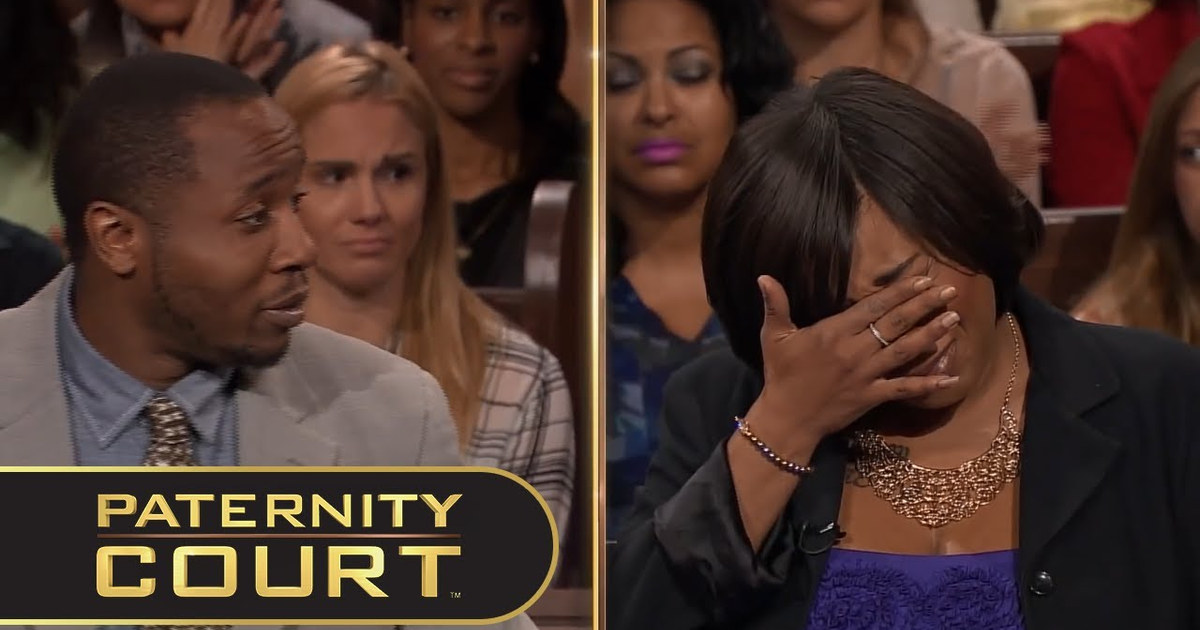
The consensus on shows like Paternity Court is that they are nothing more than exploitative, low-brow spectacles designed to parade personal trauma for ratings. Critics love to dismiss these programs as 'trash TV' that cheapens the sanctity of family law. I think that take is fundamentally wrong.
While the format is undeniably dramatic, dismissing the human element at play is a mistake. The case of Robinson v. Fuller isn't just a tabloid moment; it is a raw, unvarnished look at the complexities of modern fatherhood, the weight of past mistakes, and the surprising capacity for men to choose love over biology.
When we look past the courtroom lights, we see a story about a man who defined his own identity through his commitment to a child, regardless of the genetic reality. That isn't trash—that’s a masterclass in resilience.
[[AD]]
The Myth of the 'Biological Default'
The popular narrative suggests that a father's bond is entirely predicated on a DNA match. If the test comes back negative, the consensus goes, the relationship should logically dissolve. But Brandon Robinson Sr. completely dismantled this idea.
Even when faced with the terrifying possibility that his son, Brandon Jr., might not be his, Robinson didn't retreat into cold, clinical detachment. He spoke about the nights spent sleeping still so as not to wake the boy, the life-changing impact of fatherhood, and the deep emotional investment he made over three years.
His refusal to immediately discard his role as a father—even when he was hurt—proves that fatherhood is a verb, not a genetic status. He wasn't just a donor; he was a provider, a protector, and a constant presence.
[[AD]]
The Complexity of Accountability
Critics often paint the 'guilty' party in these cases as a caricature of villainy. But the reality of Miss Fuller’s situation is far more nuanced. She admitted to a long-standing, off-and-on affair that clouded her judgment and created a web of deceit that eventually trapped everyone involved.
It’s easy to judge her choices, but the show highlights the internal struggle of someone who, by her own admission, didn't know how to value herself. Her 'disappearing act' wasn't just about hiding a secret; it was a manifestation of deep-seated personal instability.
The show treats her not as a monster, but as a person who made catastrophic errors in judgment. By allowing her to speak, the court provides a space for genuine accountability rather than just public shaming.
[[AD]]
Beyond the DNA Test
The most powerful moment of the episode occurs when Robinson admits he wanted to change the child's name out of anger, only to realize that the name 'Brandon' was bigger than his own ego. He recognized that the child’s identity was already cemented.
When the results finally confirmed he was the biological father, the relief was palpable, but it served a larger purpose: it validated the love he had already given. The DNA test didn't create the father-son bond; it merely confirmed what Robinson had already decided to be true.
[[VIDEO]]
Ultimately, the strongest counter-argument to my position is that these shows still profit from the suffering of real people. It’s a fair point. The cameras, the dramatic music, and the public setting are undeniably intrusive.
However, if we can look past the production, we find stories of people trying to navigate the messiest parts of life. Robinson v. Fuller reminds us that love is often a choice we make in the face of uncertainty. Next time, we’ll dive into why the legal system is increasingly becoming the new therapist for the modern family.


