Part 1
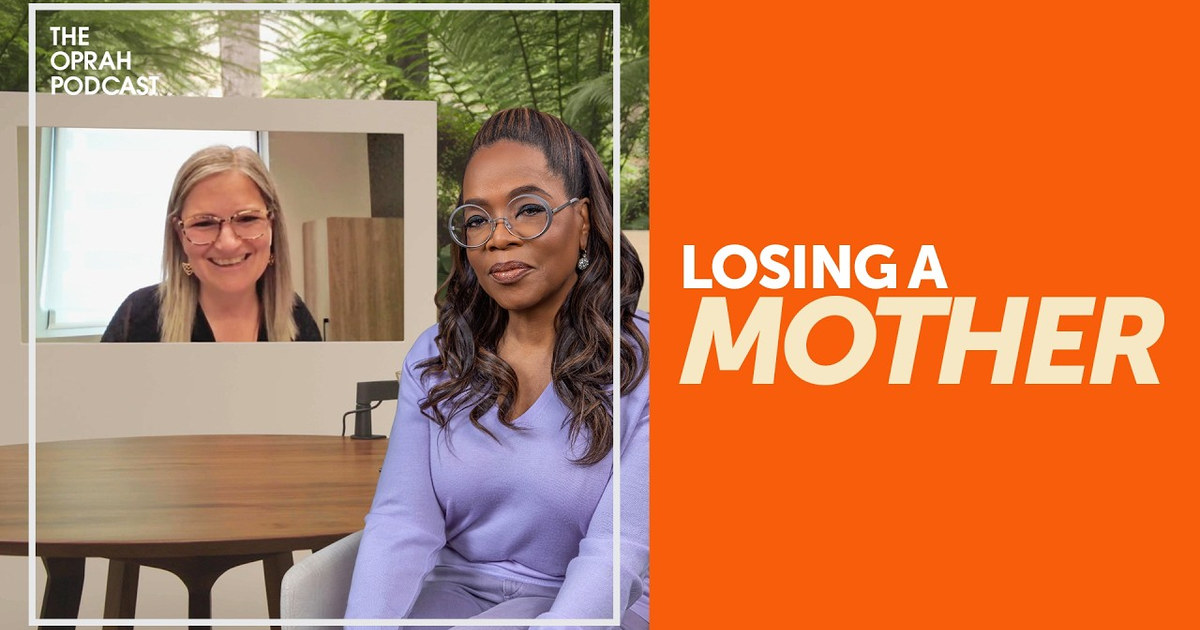
You have probably seen the clip surfacing across your feed on a quiet Sunday afternoon. It is grainy mid-nineties standard definition. A fresh-faced, eleven-year-old girl named Kate Collinger sits on Oprah Winfrey’s talk-show stage in Chicago, swinging her sneakers, talking about a late-night bowl of cereal.
The snippet has racked up millions of views across algorithmic revivals because it tackles an uncomfortable dilemma. How do we measure the value of a human relationship when the clock runs out? Is a lifetime validated by spectacular milestones, or is it secretly constructed out of unremarkable domestic dust?
Decades before social media engineered our addiction to bucket lists, Oprah sat across from Kate, her brother Zack, and their father Tom. The family had just lost their matriarch, Kathleen, to non-smoking lung cancer three months prior. What emerged was not a conventional weeping-couch confession, but an accidental philosophical roadmap for how memory operates.
[[AD]]
Pop culture constantly feeds us the illusion of monumental gestures. We are told that grand vacations, curated photo dumps, and staged bucket-list excursions are the bedrock of legacy. Yet this enduring piece of daytime television proves the exact opposite.
Kathleen Collinger tried the grand spectacles during her final year on Earth. The family journeyed to Palm Springs and toured Disney World. But when Oprah turned off the broadcast cameras and asked the child what actually stayed with her, the answer shattered every marketing myth ever devised.
To understand why this sequence refuses to age into irrelevance, we must dissect the story across three decades of Kate's real life. By tracing her evolution from a grieving preteen into a recovering addict and finally a mother, we uncover the hidden mechanics of survival.
The Fallacy of the Grand Finale and the Architecture of Grief
When a terminal diagnosis strikes, our immediate cultural reflex is denial cloaked as relentless bravado. We scramble to book flights, gather souvenirs, and manufacture hyper-visible joy. We act as if a passport stamp can ward off the abyss.
[[AD]]
Tom Collinger called this impulse what it actually is: stiff-arming reality. In their earliest weeks after Kathleen's diagnosis, the family fell back on conventional optimism. They treated devastating illness like an athletic obstacle they could out-hustle with high spirits.
Much like Joan Didion documented in her 2005 masterwork *The Year of Magical Thinking*, surviving a catastrophic loss requires relinquishing the delusion of control. The Collingers realized that trying to engineer an artificial triumph was burning precious emotional fuel. They sought professional guidance at the Cancer Wellness Center and chose a radically honest path.
Instead of insulating the children from the machinery of dying, Tom and Kathleen invited them into the room. They spoke openly about funerals, medical decay, and terror. Ten-year-old Kate and thirteen-year-old Zack were told the complete truth from the jump.
[[AD]]
By stripping away the taboo of impending death, the family disarmed the fear that held them hostage. The absence of secrets cleared the emotional deck for genuine intimacy. When you no longer have to pretend everything will be fine, you can finally occupy the present afternoon.
Before passing, Kathleen left handwritten letters that anchored this brutal honesty in warmth. She wrote to Zack about the bittersweet pride of watching him grow into a young man she would never meet in body. She joked about missing out on future tickle fights while bracing him for adult existence without her.
Her letter to Kate was even more specific. She instructed her daughter to keep her inside her heart as an active, daily engine. Kathleen did not promise a ghostly miracle. She promised an internal companion, declaring that Kate's innate decency gave her mother permission to die in peace.
The 2:00 AM Kitchen Counter Revelation
The moment that cemented this family in television lore happened entirely off-camera. In a routine post-show audience wrap-up, Oprah asked Kate to name her ultimate highlight from Kathleen’s final year. The child did not cite the rides at Disneyland or the resort suites in California.
[[AD]]
She spoke about an ordinary night roughly a week before Kathleen entered the hospital for the final stretch. Kate had whispered to her mother in bed, making her promise to wake her up if she went downstairs for a midnight snack. At 2:00 in the morning, Kathleen gently stirred her.
The two sat in the dark kitchen in their pajamas, chewing cold cereal in total silence. There was no choreographed sentimentality, no cinematic score, and no final speech. Just cold milk, toasted oats, and the presence of a mother who made good on a small promise.
That kitchen table scene is the definitive counterweight to our hyper-curated modern life. Parents kill themselves working eighty-hour weeks to afford luxury jackets, premier sneakers, and status holidays. Meanwhile, a child's deepest emotional archive is built on whether you remembered to wake them up for a snack.
The Unromantic Aftermath of Trauma
Daytime television loves a neat narrative arc. An inspiring segment ends, the applause swells, and the audience walks away believing the grieving kids are permanently healed by family wisdom. But reality is never an eighty-minute episode of television.
[[AD]]
Richard Linklater’s 2014 epic *Boyhood* captured the agonizing, unhurried drift of growing up through loss, showing that epiphany does not protect you from teenage chaos. Real life operates on the same difficult frequency. Knowing how to face death did not spare Kate from facing an existential breakdown.


