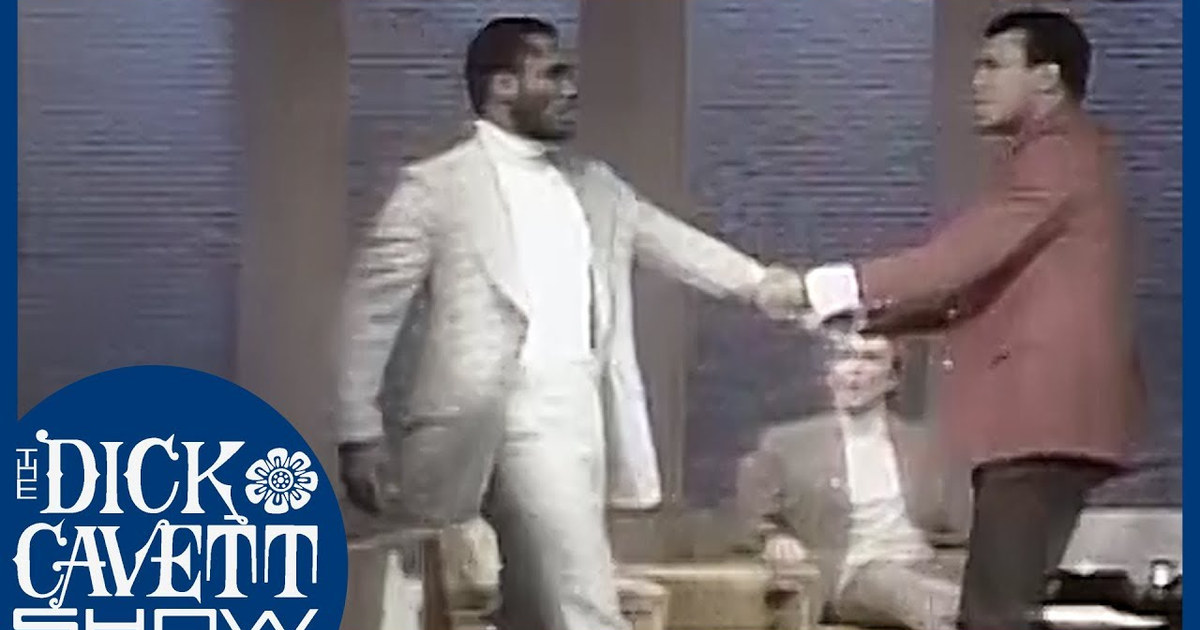
If you’ve seen the viral clip of Muhammad Ali on a talk show, you know the vibe. He’s sharp, he’s dismissive, and he’s absolutely tearing into the state of Black film in the 1970s. The consensus is that Ali was just being Ali—the loud, provocative showman who couldn't help but stir the pot. People dismiss his critique of films like 'Cotton Comes to Harlem' as just another example of his legendary ego.
But I think that consensus is wrong. Ali wasn't just talking trash; he was identifying a systemic 'trick bag' that Hollywood had laid for Black creators. While critics today celebrate the era of Blaxploitation as a moment of empowerment, Ali saw the strings attached. He wasn't being a snob; he was being a visionary who refused to accept crumbs when he knew the industry was capable of serving a full meal.
To understand why Ali was right, we have to look past the surface-level entertainment value of these films. Ali’s issue wasn't with Black actors working; it was with the narrow, dehumanizing archetypes they were forced to inhabit. He wanted the 'Charlton Heston' treatment—roles that commanded respect, historical weight, and genuine narrative agency.
[[AD]]
The 'Trick Bag' of Representation
The popular take is that the 70s were a golden age for Black representation because, for the first time, Black faces were on posters. Ali saw through this. He correctly identified that the industry was funneling Black talent into a specific, limited lane: the 'dope negro in a Cadillac' or the caricature of the street hustler. It wasn't about the quality of the acting; it was about the quality of the humanity being portrayed.
When Ali said these movies were 'belittling,' he wasn't attacking the actors. He was attacking the gatekeepers. By limiting Black stories to tropes of prostitution and crime, Hollywood was effectively ghettoizing Black culture. Ali, ever the master of his own image, understood that if you don't control your own narrative, someone else will use it to diminish you.
Critics argue that these films provided necessary escapism and jobs for Black artists. That’s true, but it’s a low bar. Ali was holding the industry to a higher standard. He was asking why the 'epic' treatment was reserved for white stars while Black stories were relegated to exploitation. He wasn't against Black cinema; he was against the exploitation of Blackness.
[[AD]]
The Myth of the 'Quiet' Competitor
It’s fascinating to watch the contrast between Ali and Joe Frazier in that same interview. Frazier plays the 'quiet, humble' athlete, while Ali plays the 'loud, arrogant' one. The public loves to side with the humble guy, but Ali’s refusal to play the quiet role in his personal life mirrored his refusal to play the quiet role in the film industry.
Ali understood that silence is often mistaken for compliance. By speaking out against the industry, he was refusing to be a 'good soldier' for a system that didn't respect him. His critique of the film industry was an extension of his fight for civil rights. He knew that if you accept the 'trick bag' in entertainment, you’ll eventually accept it in society.
The counter-argument is that Ali was just being difficult. But look at the history of Black cinema since then. It took decades for the industry to move beyond the very tropes Ali was complaining about. He wasn't being difficult; he was being ahead of his time.
[[AD]]
The Cost of Clowning
Ali’s own admission about his broken jaw is the perfect metaphor for his career. He admitted he was 'clowning'—talking too much, mouth open, not taking the threat seriously—and he paid the price. He applied this same logic to the film industry. He saw Black actors 'clowning' for the cameras, and he knew that eventually, the industry would land a punch that would leave a permanent mark.
He realized that when you perform for a system that doesn't value you, you’re leaving yourself open to being hit. He wanted Black cinema to keep its 'mouth closed'—to be disciplined, to be serious, and to demand the respect that a star of his caliber deserved. He wasn't against the fight; he was against the lack of focus.
[[VIDEO]]
The strongest counter-argument is that art is subjective, and these films were a reflection of the reality of the time. Maybe so. But Ali wasn't interested in a reflection of reality; he was interested in the projection of greatness. He wanted to see Black people on screen as they deserved to be seen, not as the industry wanted them to be sold.
Next time, we’ll dive into how Ali’s influence actually paved the way for the directors who eventually broke those tropes. Stay tuned.


