Part 1
Two Audiences, One Episode: The Genre Fan and the Craft Nerd
There are two kinds of people who watch The Maury Show. The first kind—the genre fan—is here for the raw, messy, gloriously human drama. They want the accusations, the tears, the audience gasps, the moment the envelope opens and a life changes. The second kind—the craft nerd—is here for something else entirely. They watch the way the show is built: the editing rhythm, the pacing of reveals, the lie detector as a narrative device. If you're the first kind, you're about to get everything you came for. If you're the second kind, stick around—because this episode is a masterclass in television engineering.
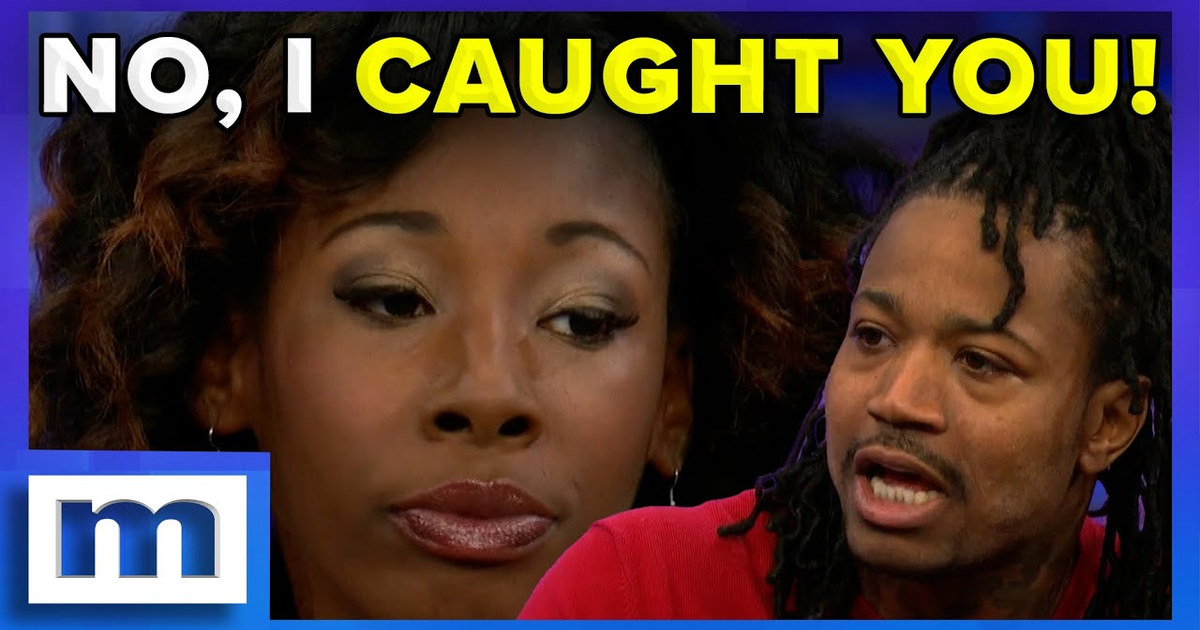
The episode in question centers on Michelle, a longtime Maury fan who brought her boyfriend—and fiancé—Adonis to the show. Adonis is a male exotic dancer. He's also, according to Michelle, a serial cheater. But here's the twist that makes this episode sing: Michelle didn't discover Adonis's infidelity through a friend or a private investigator. She discovered it by watching Maury. Two years ago, she was sitting on her couch watching a paternity episode when Adonis appeared on screen, accused by a woman named Cece of being the father of her daughter, Lamaya. Michelle was furious. Not because Adonis might have a child—but because her man was on national television, and she had no clue.
The history runs deeper. Three years before the Cece episode, Adonis had already appeared on Maury once before, accused by a woman named Nene of being the father of her two children, Akil and Akira. In that first appearance, Maury delivered the verdict: Adonis was the father of both. Then, three years later, he returned to prove that Cece's child was not his—and this time, the result was the opposite: Adonis was not the father of Lamaya. Two appearances, two different outcomes, one man who kept coming back. Now, Michelle has brought him back for a third time, and this time there's a lie detector test involved. The results are coming. But before we get there, let's talk about why this episode works on two completely different levels.
If you're a genre fan, you already know the beats. Michelle lays out the evidence: Adonis went to McDonald's for a 10-piece chicken nugget meal and didn't come back for two hours. He came home at 3 a.m. with red lipstick on his collar. She found open condom wrappers and big granny panties in his car—panties that were definitely not her size. A coworker told her Adonis was seen in a sex store with another man buying sex toys. He sent pictures of his private parts to multiple women, which he claims is 'promotion for the club.' And sometimes, he comes home smelling like a can of tuna fish. Michelle's line—'I don't care if it's a cat, dog, male, rat, anything'—is the kind of raw, unfiltered moment that Maury built an empire on.
But if you're a craft nerd, you're watching something else. You're watching the structure. This episode is a well-designed function. The inputs are the accusations—Michelle's list of grievances, each one a data point. The processing is the lie detector test, administered the night before. The output is the dramatic reveal, the moment Maury opens the envelope and delivers the verdict. The function has a clear signature: take one relationship, add suspicion, run it through a polygraph, return a binary result. And like any good function, it's reusable. Adonis has been through this process before. Twice. The show knows how to handle a returning character.
The Maury Show premiered in 1991 and has been syndicated by NBCUniversal for most of its run. In the 2000s and 2010s, it evolved into the paternity test format that made it a cultural phenomenon. The episode with Michelle and Adonis references Facebook, Twitter, and Instagram—placing it firmly in the 2010s, when social media was already a primary tool for both cheating and getting caught. Adonis blocked Cece on all three platforms, a detail that feels almost quaint now but perfectly captures the era. The show's longevity is a testament to its formula: take real people, real conflicts, and real polygraph results, then package them with Maury's inimitable delivery. 'You are the father' and 'You are not the father' are not just catchphrases—they're the output of a narrative machine that has been refined over decades.
So here's what we're going to do. We're going to alternate. One section for the genre fans—the ones who want the cheating, the lies, the audience gasps, the moment Michelle says she's done if the results come back that Adonis has been sleeping with 'a man, a female, a cat, a dog, a rat.' Then one section for the craft nerds—the ones who want to talk about how the lie detector functions as a narrative engine, how the editing builds tension, how the pacing of the reveal is engineered for maximum impact. By the end, we'll see how this single episode satisfies both audiences at once. Because that's the real genius of Maury: it's trashy and it's brilliant, often in the same breath. And Adonis—a man who has been on the show three times, who has two children with one woman and zero with another, who dances for a living and claims his nude photos are just marketing—is the perfect case study.
Genre Mechanics: The Lie Detector as a Narrative Engine
If you're the kind of viewer who watches Maury for the genre thrills, this episode is a masterclass in daytime talk-show mechanics. The accusations stack up like a checklist: the McDonald's run that took two hours for a 10-piece chicken nugget meal, the red lipstick on the collar at 3 a.m., the open condom wrappers and big granny panties in the car, the sex store sighting with another man, and the pictures of his private parts sent to multiple women. Each one is a narrative beat, a new layer of suspicion that keeps the audience leaning in.


