Part 4
But here's the thing: Dolly wasn't chasing acting credibility. She wasn't trying to prove she belonged in Hollywood. She was expanding her brand into every screen. Movies, TV, music, books, theme parks — Dolly saw the whole board. And she played it like a chess grandmaster.
The Damage Is the Price of the Image
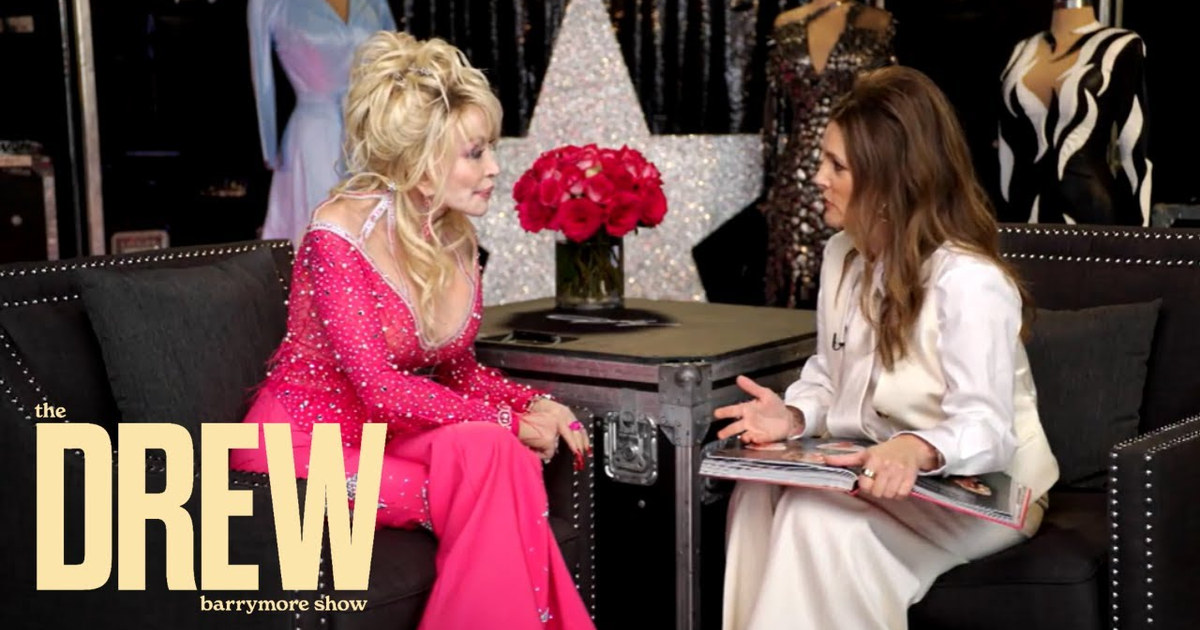
In the transcript, Dolly says something that stopped me cold: 'I think I'm probably a little damaged from all the high heels.' The interviewer responds, 'Probably am, too, but I'm not going to stop wearing them.' Dolly doesn't argue. She doesn't say, 'Oh, you should take care of your feet.' She just accepts it. The damage is the price of the image.
That's not vanity. That's sacrifice. Dolly has been wearing heels for decades — towering, custom-made, foot-molding heels — because that's what the character requires. She's not Dolly Parton the person. She's Dolly Parton the icon. And icons don't wear sneakers.
This is the same woman who wore four wigs on top of each other to get the look. The same woman who says, 'The higher the hair, the closer to God.' The same woman who admits, 'I think we might have overdone it.' She knows. She's in on the joke. But she's not stopping. Because the image isn't a joke to her. It's the work.
Mae West, Lady Gaga, and the Lineage of Glamour as Warfare
Dolly talks about Mae West in the transcript with genuine reverence. She says, 'She was like someone I identified with because she was little and she loved being gaudy and big and showing her stuff.' Dolly loved that West sat in a wheelchair and still performed glamour. She loved that West never toned it down, never apologized, never faded into the background.
And then there's the gown. The transcript mentions a lacy Mae West dress with 'coverage in sort of that triangular area.' Dolly looks at it and says, 'Now, that's fashion.' Not modesty. Not shame. Fashion. That's a calculated shock tactic. That's a woman who understands that glamour is a weapon, and she's been wielding it since day one.
You can draw a direct line from Mae West to Dolly Parton to Lady Gaga to Beyoncé. These aren't just performers. They're architects of image. They understand that the visual is as important as the vocal. And Dolly was doing it before it was cool to call it 'branding.' She was doing it when people still thought she was just a dumb blonde with big hair. She let them think that. And then she outworked them all.
The Strongest Counter-Argument: Yes, She's Kind — But Kindness Alone Doesn't Survive 60 Years
Here's where I have to be fair. The consensus isn't entirely wrong. Dolly Parton is kind. Genuinely, remarkably kind. She's donated millions to charity, funded COVID-19 vaccine research, and sent free books to children through her Imagination Library. She's never alienated people. She's never burned bridges. She's never been the subject of a scandal. That's real. That's not an act.
But kindness alone doesn't survive 60 years in entertainment. Kindness alone doesn't get you custom Ferragamo stunts heels. Kindness alone doesn't get you four wigs stacked on your head. Kindness alone doesn't get you from a dirt-poor childhood in Sevierville, Tennessee, to a Hollywood Walk of Fame star, a Grammy Lifetime Achievement Award, and a Presidential Medal of Freedom.
The armor does. The discipline does. The willingness to be damaged by high heels does. Dolly Parton is not just a nice lady. She's a strategist. She's a workhorse. She's a physical performer who treated every film set like a stage and every costume like a suit of armor. And that's why she's still here. That's why she's still Dolly.
So the next time someone tells you Dolly Parton is beloved because she's kind and relatable, smile. Agree. She is kind. She is relatable. But then ask them this: How many kind, relatable people do you know who could do a stunt in six-inch Ferragamos? Exactly. That's what I thought.


