Part 3
The legacy of “9 to 5” extends far beyond the film. It became an anthem for working women, a rallying cry for equal pay, and a staple of Dolly’s live shows. It’s been covered by everyone from Reba McEntire to the cast of *Glee*. It’s been used in commercials, TV shows, and political campaigns. In 2009, the song was inducted into the Grammy Hall of Fame. And in 2020, it was added to the National Recording Registry by the Library of Congress for being “culturally, historically, or aesthetically significant.” Not bad for a song born from boredom and acrylic nails.
The film *9 to 5* also spawned a short-lived TV series (1982–1983) and a 2009 Broadway musical, but the song remains the most enduring piece of the franchise. It’s a song that transcends its era. When you hear it today, you don’t think of 1980; you think of your own Monday morning. Dolly Parton didn’t just write a hit; she wrote a hymn for the working class. And she did it with a click of her nails.
As we’ll see in the next section, Dolly’s story doesn’t end with a chart-topping single. From Dollywood to a Christmas album in 2020, she’s built an empire on the same work ethic she sang about. But the seed was planted on that set, in that bored moment, when she turned a manicure into a masterpiece.
Dollywood, Christmas, and the Never-Ending Story
The click of acrylic nails on a Formica tabletop. It’s a tiny sound, almost accidental. But in that idle rhythm, Dolly Parton heard a typewriter, a heartbeat, a revolution. She was bored on the set of *9 to 5* (1980), waiting between lighting setups, and instead of reaching for a guitar, she used what she had: her nails. That percussive tap became the backbone of a song that would define a workplace anthem for millions. Decades later, that same spark—finding inspiration in the mundane—still burns. It’s the superpower of a woman who turned a moment of downtime into a Grammy-winning, Oscar-nominated legacy.
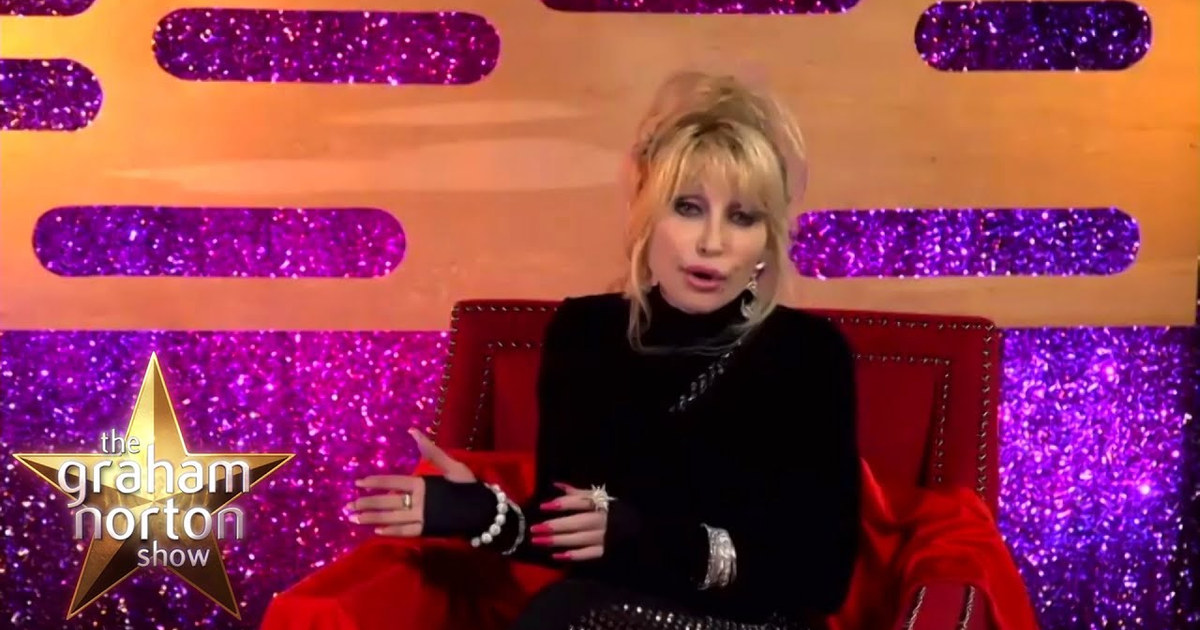
In 2020, the world was anything but normal. The COVID-19 pandemic had shuttered businesses, silenced concerts, and confined even the biggest stars to their homes. But Dolly Parton, ever the pragmatist and eternal optimist, didn’t sit still. From her Nashville studio, she broadcast a message of resilience. "I am in Nashville in my little studio where I work a lot of my things," she said, her voice warm and familiar. "Especially now that we’re all kind of confined to little areas." While others mourned canceled tours, Dolly got to work. And true to form, she found a way to bring light to a dark year.
[[AD]]
One of the brightest spots? Dollywood. The Tennessee theme park, a monument to her imagination, had reopened after a months-long closure. "We’ve been in business now for a few months and we’re doing really well," she reported. "Of course, we’re not as up to speed as when you were there last time, but we’re doing good." With fall and Christmas seasons approaching, Dollywood was ready to welcome visitors again—safely, cautiously, but joyfully. It was a small victory in a year of losses, and Dolly treated it like a headline.
But Dollywood was just the beginning. If 2020 needed a savior, Dolly Parton was ready to answer the call. "Anyone worrying about Christmas 2020," she declared, "I’m here to tell you Dolly Parton has saved Christmas 2020." And she meant it. Her holiday album, *A Holly Dolly Christmas*, dropped on October 2, 2020, offering a much-needed dose of cheer. The album featured classics like "I Saw Mommy Kissing Santa Claus" and "Holly Jolly Christmas," alongside new originals penned by Dolly herself. "I just figured we’d all be closed in more this year than ever for Christmas, so I wanted to do something special," she explained. Special indeed—the album became a balm for a weary world.
The album wasn’t just a collection of songs; it was a lifeline. Dolly understood that people needed comfort, nostalgia, and a reason to smile. She delivered all three, wrapped in tinsel and twang. The record featured collaborations with stars like Michael Bublé, Miley Cyrus, and Willie Nelson, bridging generations and genres. It was a reminder that even in isolation, music could bring us together. And Dolly, ever the connector, was the perfect host.
But Dolly wasn’t done. On November 17, 2020, she released her book *Dolly Parton, Songteller: My Life in Lyrics*, a stunning collection of stories behind her most beloved songs. The timing was no accident. With the pandemic keeping fans at home, the book offered an intimate look into her creative process—including the origin of "9 to 5." It was another way for Dolly to reach out, to share her world, and to remind us that creativity can thrive even in chaos.
And then, as if to cap off the year with a bow, Dolly announced a special Christmas performance. "I got something special for you," she teased. "A surprise." For fans, it was the ultimate gift: a chance to see Dolly, to hear her voice, to feel connected. In a year when so much was canceled, Dolly found a way to show up. She always does.
This relentless productivity isn’t new. It’s the same energy that drove her to write "9 to 5" on a movie set, to build an empire from a Tennessee hollow, to turn a pandemic into a season of giving. Dolly Parton doesn’t wait for inspiration to strike; she creates it. She finds it in acrylic nails, in boredom, in a world that’s falling apart. And she turns it into gold.
That’s the lesson of "9 to 5." It wasn’t born in a grand moment of revelation. It was born in the in-between, in the click-click-click of nails on a table. It was born because Dolly was paying attention. She saw the secretaries, the bosses, the coffee-stained mornings, and she heard a rhythm. She turned it into a anthem that still resonates today, whether you’re punching a clock or working from home in a pandemic.
And that’s why, decades later, Dolly is still here, still creating, still connecting. The nails may be longer, the studios fancier, but the spark is the same. She is the master of turning life’s small moments into something monumental. A bored actress becomes a songwriter. A theme park becomes a beacon of hope. A Christmas album becomes a lifeline. A book becomes a legacy.
So the next time you’re stuck in a waiting room, or bored on a Zoom call, or just tapping your fingers on a desk, listen. There might be a song in there. There might be a story. There might be a little bit of Dolly magic. Because creativity often hides in plain sight, and Dolly Parton has spent her whole life proving that the smallest moments can change everything.
From the click of acrylic nails to the roar of a crowd, from a movie set to a global stage, Dolly’s journey is a testament to the power of paying attention. She didn’t just write a song about work; she wrote a song about us. And she’s still writing, still singing, still showing up. Because for Dolly Parton, the story never ends. It just keeps getting better.


