Part 4
But here’s where I still take the other side. The consensus stops at awkwardness. It treats the talk show sofa as a neutral stage where personalities either click or don’t. The transcript’s answer goes further. Norton doesn’t just say Weinstein was a bad guest. He says, “an awful person but was he a bad guest? Yes.” That’s two separate verdicts. The first is moral. The second is professional. And the fact that both are true is the point. The worst combo isn’t when two guests hate each other. It’s when the show becomes complicit in selling a monster as a charming raconteur — and the audience claps.
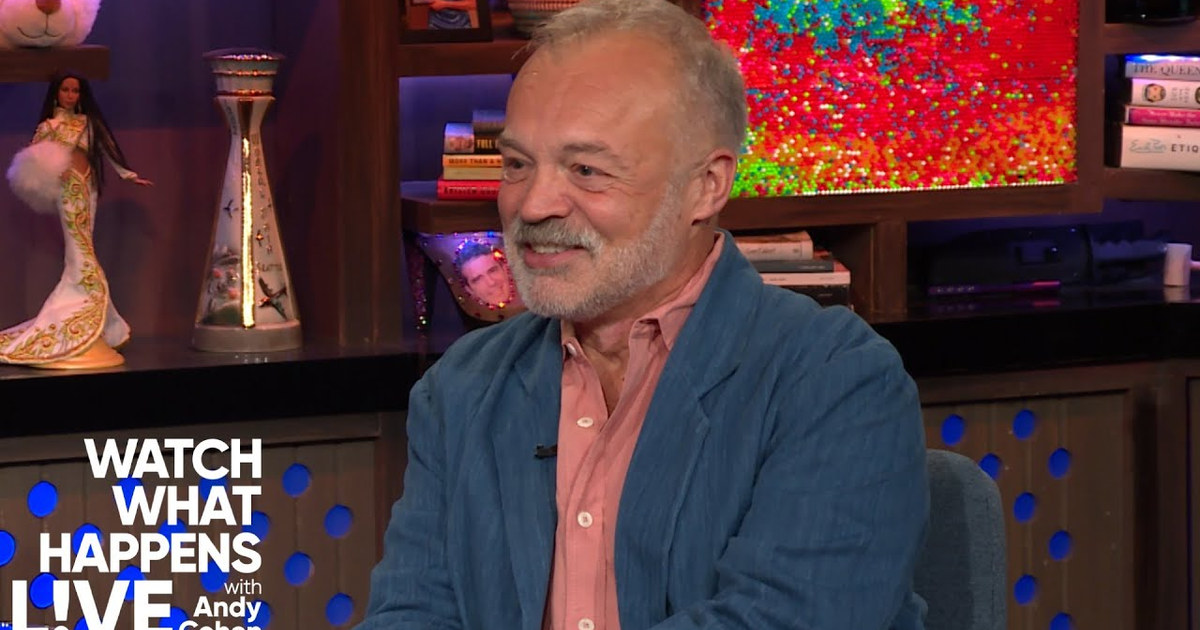
Let’s talk about what that actually looked like. Harvey Weinstein appeared on The Graham Norton Show in 2017, promoting a film. He was a titan then. The Miramax era had produced Pulp Fiction (1994, 154 minutes), Shakespeare in Love (1998, 123 minutes), and Gangs of New York (2002, 167 minutes). He was the guy who made directors. He was also, as we now know, a predator. On the couch, he was odd. Norton says so. “He was an odd man,” he recalls. Not dangerous. Not threatening. Odd. That’s the word that should chill you. Because “odd” is what the format does. It flattens everyone into a guest. It asks them to tell a funny story. It gives them a drink. It puts them next to a beloved actor and lets the audience decide if they’re likable. And for decades, the audience decided Weinstein was likable enough.
That’s not hindsight bias. That’s a pattern. The same pattern shows up in other bookings. In the 1980s, Johnny Carson’s Tonight Show hosted Bill Cosby dozens of times. Cosby was America’s Dad. He was on Carson’s couch in 1985, 1987, 1990. He talked about parenting. He was funny. The audience loved him. We now know what he was doing. Did Carson know? There’s no evidence he did. But the format didn’t ask. The format sold warmth. It sold familiarity. It sold the idea that if you’re on the couch, you’re one of us. That’s the complicity. Not the host’s knowledge — the show’s function.
In the 2010s, Ellen DeGeneres built an empire on the same function. Her couch was where celebrities danced, played games, and revealed “real” selves. She hosted everyone. She was the nice one. And for years, the audience believed the niceness was the point. Then the 2020 BuzzFeed News report and the subsequent Warner Bros. investigation changed the story. Ellen’s show ended in 2022. The couch wasn’t neutral. It was a brand. And the brand was “be kind.” That’s not a talk show. That’s a moral laundering operation.
So when Norton says he never wanted to offend anyone, I believe him. That’s the job. The host’s job is to make the guest comfortable. The guest’s job is to be entertaining. The audience’s job is to forget that the person selling a movie might also be selling a lie. The worst combo isn’t two guests who hate each other. It’s a guest and a format that agree to pretend. The feud breaks the format. The monster hides inside it.
And here’s the strongest counter-argument to my own position: maybe the feud is still worse because it’s visible. Maybe the complicit booking is a systemic problem, not a “combo” problem. Maybe calling Weinstein a “bad combo” lets the show off the hook. That’s fair. But I’d say the opposite. Calling the feud the worst combo lets the show off the hook. It makes the tension an accident. It makes the viral clip a natural disaster. It ignores the booking decisions, the PR teams, the producers who knew exactly what they were doing when they sat two exes next to each other. The feud is a choice. The complicity is a choice. The difference is that one gets clipped and the other gets buried.
So yes, the consensus is fine as far as it goes. Awkward pairings are awkward. Feuds are fun. Clips go viral. But the transcript’s answer goes further. Norton didn’t just name a bad guest. He named an awful person who was also an awful guest. That’s the combo that matters. Not because it was tense on air — but because it wasn’t. Because the show worked. Because the audience laughed. Because the machine kept running.
Next time a sofa goes viral for tension, ask who else was sitting there quietly. Ask what the show was selling. Ask who got the warm edit and who got the cold shoulder. The worst combo isn’t the one that makes you cringe. It’s the one that made you comfortable.
Next part: we look at other talk show bookings that aged badly — from the 1980s Carson era to the 2010s Ellen era — and what hosts say now. The couch has a memory. We’re just starting to read it.


