Part 3
But here's the thing: we don't have to pretend the appearance itself doesn't read differently now. Because it does. And that shift — from harmless booking to uncomfortable artifact — is exactly why the worst guest combo isn't the one that explodes on air. It's the one that normalized something off air.
Think about the timeline. Harvey Weinstein's downfall began in October 2017, when The New York Times and The New Yorker published explosive investigations detailing decades of sexual misconduct allegations. In 2020, he was convicted in New York of rape and sexual assault. In 2023, he was sentenced in Los Angeles to an additional 16 years. That's the arc. But before 2017, Weinstein was a fixture on the promotional circuit. He wasn't hiding. He was on the couch.
And not just any couch. Weinstein's press tours for films like Shakespeare in Love in 1998 and Gangs of New York in 2002 put him in front of late-night audiences on NBC, CBS, and the BBC. He was a producer, a power player, a guy who could get a movie made and a star booked. He was, in the industry's eyes, a legitimate guest — someone who could talk up a project, trade banter, and send viewers to theaters. The format didn't just tolerate him. It welcomed him.
That's the complicity. Not that Graham Norton or any other host knew the full extent of what Weinstein was doing. The transcript is careful — it doesn't claim Norton knew anything at the time — and neither should this article. But the industry as a whole had whispers, rumors, open secrets. And the talk show ecosystem kept booking him. The sofa did promotional work that the journalism of 2017 had to undo.
A bad guest combo isn't about two people who don't click. It's about a combo that made something unacceptable look normal. When a host sits across from a guest and treats them like any other star — laughs at their jokes, plugs their film, shakes their hand — the show is sending a message. It's saying: this person is fine. This person is welcome. This person is one of us. And for years, that message was sent about Harvey Weinstein.
You want to know why the consensus is wrong? Because the consensus focuses on the trainwreck. The awkward silence. The guest who won't play along. But the truly damaging combo is the one that works smoothly. The one where everyone smiles. The one where the host is professional and the guest is charming and the audience goes home thinking, 'That was a fun show.' That's the combo that does the real damage.
And it's not just Weinstein. The late-night TV ecosystem from the 1990s through the 2010s was full of appearances that now read differently. Powerful men who were later disgraced. Stars who were later exposed. The format didn't cause their behavior, but it did provide a platform that helped them maintain their public image. It gave them a place to be likable. And likability is a shield.
[[AD]]
Now, I'm not saying the consensus is stupid. Audiences genuinely want the clash. They tune in for the tension. A host who can navigate a frosty interview is doing impressive work. And hosts are booked, not omniscient. They don't have a crystal ball. They can't know what we know now. That's fair. That's a real counter-argument, and I'll get to it.
But the consensus answers the wrong question. It asks: which combo was the most entertaining disaster? The better question is: which combo did the most harm? And by that measure, the worst guest combo isn't the one that made us cringe. It's the one that made us comfortable. The one that helped a predator seem like a regular guy. The one that turned a promotional stop into a reputational shield.
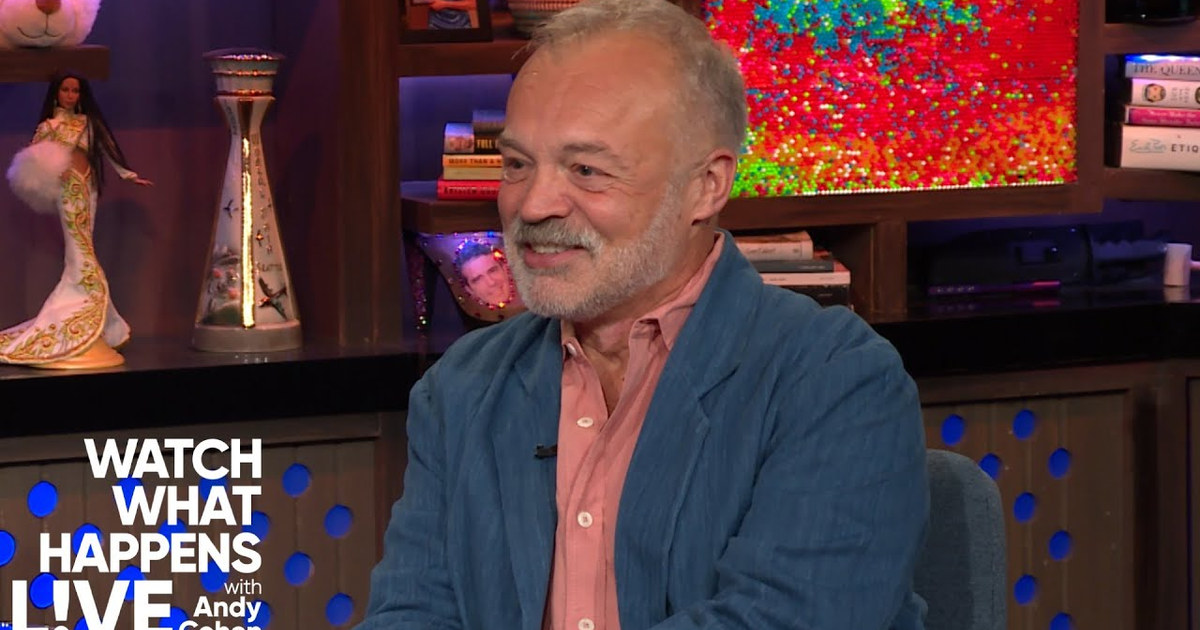
That's why Graham Norton's answer matters. He didn't say Weinstein was a bad guest because he was rude or boring. He said he was an "odd man." That's a polite way of saying something was off. But the interview happened. The booking happened. The couch welcomed him. And that's the combo that should haunt us — not because it was awkward, but because it wasn't.
So when we talk about the worst talk show guest combo ever, let's stop pretending it's about chemistry. It's about complicity. It's about what the format normalized. And it's about the fact that the journalism of 2017 had to undo years of promotional work that the sofa did for free.
The Strongest Counter-Argument — And Why I Still Take the Other Side
Let’s be fair. The case for the consensus — that awkward celebrity pairings are the worst guest combos — is stronger than I’ve let on. Talk shows are entertainment, not tribunals. Judging a 1990s or 2000s booking by 2020s knowledge is hindsight bias. And Graham Norton himself has said he never wanted to offend anyone by naming a worst guest. That’s a professional norm, not a moral failing. The transcript shows him still hedging before he finally says Harvey Weinstein’s name. He even asks, “was he a bad guest?” before landing on “an awful guest.” That’s a host who knows the difference between a bad booking and a bad person — and who spent years protecting the first while the second was hiding in plain sight.
So yes, I get it. If you’re scrolling YouTube or TikTok in 2025, the clips that stop your thumb are the feuds. Two actors who dated and broke up, seated three feet apart on a couch, forced to promote a movie neither wants to talk about. That’s the viral gold. The tension is the product. And if we’re measuring “worst combo” by pure entertainment value for the viewer, the feud wins every time. It’s not even close. The awkward pairing is worst for the guest and best for us. That’s a legitimate definition of “worst.”


