Part 2
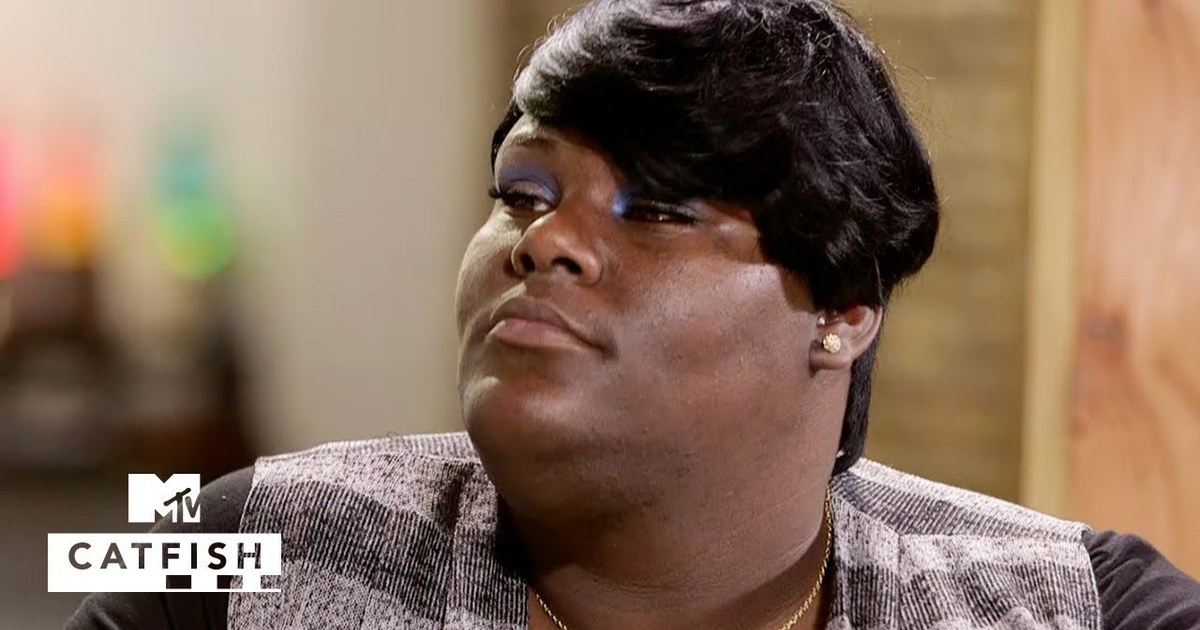
That's where the episode transcends typical reality TV. Two years later, the show brings them together for a raw, emotional reunion. Antoine, still hurt, tells Carmen, 'You missed out on the best things that happened to me in the last two years.' Carmen, remorseful but defensive, says, 'I didn't intentionally nor was gonna turn out like this.' The tension is palpable. You can feel the weight of those lost years.
For genre fans, this is the holy grail: a catfish who isn't a stranger, but family. A prank that spiraled into a three-year deception. And a confrontation where the host himself loses his cool. It's a reminder that Catfish isn't just about online dating gone wrong — it's about the lies we tell and the people we hurt.
[[VIDEO]]
Compare it to other memorable episodes, like Season 2's 'Mike and Felicia,' where a young man's online romance turned out to be a woman using fake photos. That was heartbreaking. This is infuriating. The difference? Intent. Carmen didn't catfish for love or escape; she did it for kicks. And that makes it all the more disturbing.
But here's the thing: even as we recoil, we can't look away. The three-year prank is a trainwreck in slow motion. The cousin betrayal is Shakespearean. And the raw emotion of the reunion is pure, unfiltered reality. That's why genre fans keep coming back. We want the drama, the twists, the moments that make us gasp. And this episode delivers all of that and more.
So yes, it's a wild ride. But it's also a cautionary tale. Carmen's 'joke' cost her a relationship with her cousin for two years. And when they finally reconcile, it's bittersweet. 'I love you,' Carmen says. 'I love you too,' Antoine replies. It's a clean slate. But you can't help but wonder: was it worth it?
For genre fans, the answer is irrelevant. We're here for the chaos. And Catfish Season 3, Episode 2 serves it up in spades. It's an episode that reminds us why we watch: to see the truth come out, no matter how messy. And to witness the moment when a catfish finally faces the music.
Craft Fans: Editing, Ethics, and the Engineering of a Reunion
If you're the kind of viewer who watches Catfish for the gasps, the tears, and the "you're not even real" confrontations, you got plenty in Season 3's cousin episode. But if you're the kind of viewer who watches for the machinery — the cuts, the sound design, the ethical calculus behind every decision — this episode is a masterclass. Let's pop the hood.
The episode is built like a three-act play, but the editing does the heavy lifting. The cold open drops us into Carmen's world: she suspects her cousin Antoine is being catfished by a guy named Tony. The show wastes no time establishing the stakes. We get Carmen's concern, Antoine's skepticism, and then — boom — the reveal that Tony is actually Carmen herself. The editing here is surgical. Quick cuts between Carmen's confession and Antoine's reaction, the music swelling just enough to underline the absurdity without turning it into a joke. It's a tonal tightrope, and the editors walk it.
The pacing of the reveal is where the show's engineering really shines. We don't get the full story in one dump. Instead, the episode layers it: first, the confrontation with "Tony" (Carmen in disguise), then the fallout, then the two-year gap, then the reunion. Each beat is given room to breathe, but never so much that you reach for your phone. That's the algorithm of attention, and Catfish has it down to a science.
[[AD]]
Music is used sparingly but effectively. During the reunion, there's a moment where the score drops out entirely — just the ambient noise of two cousins sitting across from each other. Then, as they start to talk, a soft piano creeps in. It's manipulative, sure, but it's also honest. The show isn't pretending to be a documentary; it's a constructed reality, and the music is part of the construction. The transcript notes '[Music]' at the reunion, and that's the cue: this is the emotional climax, and the show wants you to feel it.
But here's where craft fans and genre fans might diverge: the ethics. Nev and Max aren't just hosts; they're interventionists. They confront Carmen, they mediate the reunion, and they carry the emotional weight of the aftermath. The decision to bring Carmen and Antoine together two years later wasn't just a narrative device — it was a responsibility. The show could have ended with Antoine walking away, but instead, they waited. They gave the relationship time to heal, or at least to have a chance. That's not just good TV; it's ethical production.
Nev's outburst during the confrontation is a perfect example of the show's approach to authenticity. He loses his cool. He yells. He's human. Compare that to other reality TV hosts who maintain a polished composure no matter what — think Tyra Banks on America's Next Top Model or Phil Keoghan on The Amazing Race. They're professionals, but they're also performing. Nev isn't performing. He's reacting. And that reaction is what makes Catfish feel real, even when you know it's edited.
This is engineering with a soul. The format allows for genuine reactions, and the hosts aren't afraid to show them. That's a deliberate choice, and it pays off in moments like Nev's outburst. It humanizes him, and it reminds us that behind every catfish is a real person — and behind every host is a real human.
Now, let's talk tech. Catfish has always been a show about technology, but it's also a show about how technology changes. In this episode, the catfish's method is particularly devious: Carmen sent Antoine the real guy's Facebook page. That's a twist within a twist. She didn't just create a fake profile; she co-opted a real person's identity. That's a level of commitment that's both impressive and terrifying. And it's a reminder that as social media evolves, so do the scams. The show adapts, and so do the catfish.
The meta moment — 'the catfish sent you the real guy's Facebook page' — is the kind of detail that makes craft fans sit up. It's not just a plot point; it's a commentary on how we verify identity online. We trust Facebook pages, Instagram profiles, and Twitter handles. But those can be borrowed, stolen, or fabricated. The show doesn't just tell us that; it shows us.
So how does this episode satisfy both audiences? Genre fans get the wild story: a three-year prank, a cousin betrayal, a dramatic reunion. Craft fans get the nuanced execution: the editing, the ethics, the technical details. It's a rare episode that works on both levels, and that's why it's one of the best in Catfish history.
The takeaway? Catfish Season 3 remains relevant not because of the technology, but because of the human relationships. The catfish may use Facebook, but the story is about trust, family, and forgiveness. That's why we keep watching. And that's why, years later, we're still talking about it.
Next time, we'll dive into another episode — or maybe we'll trace how Catfish has evolved from a documentary to a cultural phenomenon. Either way, the engineering continues.


