Part 1
The Moment the Couch Caught Fire: Anatomy of a Catfish Confrontation
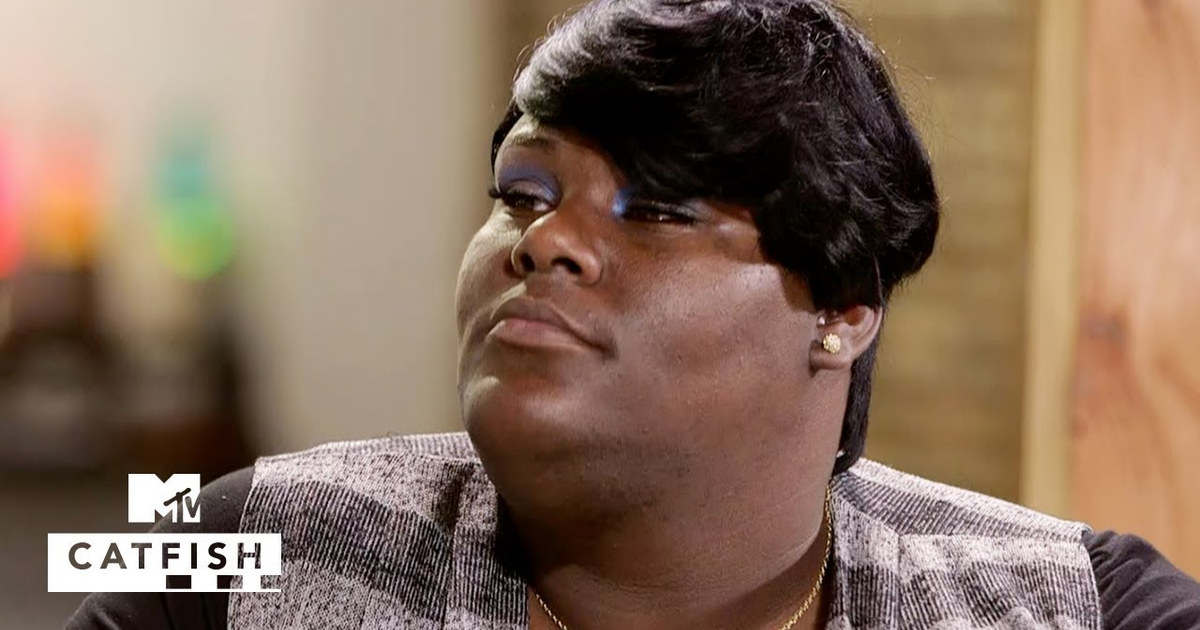
The couch is just a couch until it isn't. On the set of Catfish: The TV Show, season 3, the lighting is flat and forgiving, the kind that makes everyone look like they're already in a confessional. Nev Schulman sits on the left, Max Joseph on the right, and between them, a woman named Carmen. She is not nervous. She is not sorry. She is, by her own admission, a catfish. And she says it like she's reading a weather report: 'I catfish people and I'm cool with it.' The sentence lands in the room like a dropped glass. You can almost hear the shards.
For two seasons, Nev and Max had built a reputation as the calm at the center of the storm. They were the guys who listened, who nodded, who tried to understand the lonely heart behind the fake profile. But here, across from Carmen, something in the machinery of the show seized up. The camera doesn't blink. The silence stretches. And then Nev breaks it, not with a question, but with a kind of raw disbelief: 'You don't have to be cool. Are you proud of it?' Carmen doesn't flinch. 'You're proud of myself cuz I do it damn good.' It is the first time on Catfish that the hosts stop being mediators and start being accusers. The couch becomes a stage, and the silence becomes a sentence.
This is the scene that turned a reality show into a cultural reference point. It's the moment the show's central premise—that empathy can untangle even the most tangled web—collided with a subject who didn't want to be untangled. Carmen wasn't a victim of her own loneliness. She was a practitioner. And she was good at it. The episode, which aired on MTV in 2014, gave us the line that would become shorthand for unapologetic deception: 'I catfish people and I'm cool with it.' But it also gave us something more complicated: a host who lost his cool, a family torn apart, and a two-year silence that no one saw coming.
To understand why this confrontation still burns, you have to go back to the beginning. Carmen contacted Catfish because she believed her cousin Antoine was being catfished by a guy named Tony. She was worried. She was protective. She wanted to save him. What she didn't tell Nev and Max—what she couldn't tell them—was that she was the one behind Tony. The fictional persona, the fake photos, the late-night texts: all of it was Carmen. She had been catfishing her own cousin for years, and now she was asking the show to help her expose a catfish she had created herself. It was a practical joke, she would later say. A joke that had gone on for three years.
When Nev and Max discovered the truth, the confrontation that followed became the first time the hosts truly lost their composure on camera. 'This was probably the first time where I lost my cool,' Nev would later admit. 'And everyone was kind of upset that Nev did it.' The anger wasn't just about the deception. It was about the waste. Antoine had spent years talking to Tony, confiding in Tony, maybe even falling for Tony. And the whole time, it was his cousin on the other end of the line. The betrayal wasn't abstract. It was familial.
The fallout was immediate. Antoine wanted nothing to do with Carmen after what she did to him on TV. The episode aired, and the cousins stopped speaking. Not for weeks. Not for months. For two years. The show that was supposed to bring them closer had driven a wedge between them that seemed permanent. It wasn't until Nev and Max brought them together again—two years later, in a follow-up that would become one of the show's most emotional reunions—that Carmen and Antoine finally spoke. 'You missed out on the best things that happened to me in the last two years,' Antoine told her. 'I work at the University in Cincinnati. I got a fiancé.' Carmen apologized. Antoine, eventually, forgave. But the scar remained.
What makes this scene a trademark moment for Catfish isn't just the anger. It's the moral complexity. Carmen isn't a monster. She's a cousin who thought she was playing a joke. She's a woman who, by her own logic, was doing something she was 'damn good' at. And she's someone who, in the end, loved her family enough to apologize. The show didn't shy away from that messiness. It sat in it. It let the couch catch fire and didn't rush to put it out.
The episode also marked a turning point for Nev and Max as hosts. They had always been the audience's surrogates—the reasonable ones, the ones who asked the questions we were all thinking. But here, they became participants. Nev's outburst wasn't scripted. It wasn't produced. It was a human being reacting to something that felt, in the moment, unforgivable. And that rawness is why the scene endures. It's why people still quote it. It's why, years later, we're still talking about the cousin, the catfish, and the couch.
But the couch wasn't the end. It was the beginning of a silence that would last two years—a silence that would test the limits of forgiveness and the meaning of family. And it all started with five words, delivered without a trace of shame: 'I catfish people and I'm cool with it.'


