Part 3
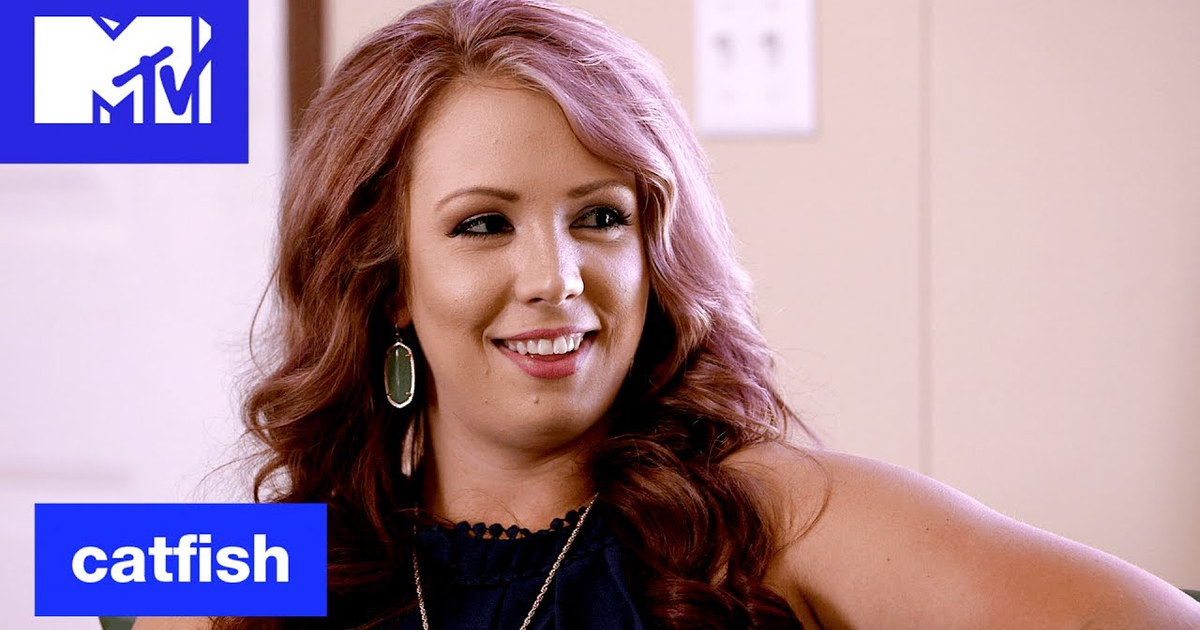
This is exactly how real catfish cases play out. On MTV’s Catfish, which premiered in 2012 and has run for eight seasons, Nev Schulman and Kamie Crawford spend most of each episode watching the victim make excuses for the person on the other end of the screen. “Maybe he’s just busy.” “Maybe his phone broke.” “Maybe he’s shy.” The scammer never has to say a word—the victim builds the entire defense. The same pattern shows up in reporting on romance scams, from the FBI’s annual internet crime reports to documentaries like Love Fraud (2020) and The Tinder Swindler (2022). The person being lied to becomes the liar’s best publicist.
So why do we do it? Why do we defend the person who’s lying to us? The transcript gives us the answer in one line: “His smile definitely his smile that you’ve never seen I’ve seen pictures it’s just something about a smile it just like reaches out and like grabs my heart.” She wants the smile to be real. Not the man—the smile. Because if the smile is real, then her feelings are real. And if her feelings are real, then she’s not foolish. She’s just in love. That’s the trade we make when we’re lonely: we protect the fantasy so we don’t have to protect ourselves.
Now watch the friend’s face. She’s not trying to win an argument. She’s trying to keep the door open. “I don’t want to scare you,” she says. And the woman fires back, “I’m not scared.” It’s a reflex. A shield. But then the friend lands the final blow, soft as a feather: “I don’t get a good feeling about this.” That’s the emotional climax of the clip. Not a scream. Not a revelation. Just a quiet, honest gut check. And the woman has no comeback for it. Because you can’t argue with a feeling.
Here’s the craft detail worth noticing: right at that moment, the transcript marks [Music]. The score swells. It’s not a jump scare. It’s not a sad piano. It’s a low, humming dread—the kind of sound that tells you the story is about to turn. Editors use music to underline what the characters can’t say. The friend can’t say, “You’re being scammed.” The woman can’t say, “I know, but I don’t want to believe it.” So the music says it for them. That’s not manipulation. That’s storytelling. And it’s a reminder that even in a short clip, every element—dialogue, pause, score—is doing work.
We’re not here to judge her. We’re here to see how the story is built. The structure is the lesson. The doubt lands not because someone shouts “liar!” but because someone whispers “I don’t get a good feeling.” And that’s the moment the whole clip pivots. From hope to suspicion. From pictures to reality. From a smile you’ve never seen to a truth you can’t unsee.
In the next stop, we’ll look at what the format itself—the screenshots, the voice notes, the editing—is doing to you, the viewer. Because by now, you’re not just watching a story. You’re inside one. And that’s exactly where the best catfish tales want you.
Stop Four: What the Format Is Doing to You
Now step back from the story and look at the machine that's telling it. You're watching a short-form clip — the kind that lives on YouTube Shorts, TikTok, and Instagram Reels — and it belongs to a very specific genre: the catfish reveal. The whole thing is engineered. The edit withholds Brandon on purpose. You never see his face. You never hear his voice. You only get her description and the photos he sent. That's not an accident. That's the architecture.
[[AD]]
Think about the lineage here. MTV's Catfish premiered in 2012, hosted by Nev Schulman and Max Joseph, and turned the online-romance reveal into a weekly ritual. Then came 90 Day Fiancé on TLC in 2014, which stretched the same tension across a whole season. Now YouTube and TikTok have taken that blueprint and compressed it into sixty-second bursts. The result is a genre that runs on absence. The missing person isn't a flaw in the format — it's the format.
Ask yourself the question the edit is begging you to ask: what would change if we actually saw Brandon's face? Everything. The entire clip depends on him being absent. If he showed up on camera, the mystery collapses. The speculation dies. You'd stop filling in the blanks with your own imagination. Instead, the edit gives you just enough — a smile described but never shown, a Mudfest photo that doesn't add up, a friend who won't let the excuse slide — and lets your brain do the rest. That's not lazy storytelling. That's precision engineering.
And notice who's doing the work of the audience: the friend. She's the stand-in for you. She asks the questions you'd ask. She points out that the Mudfest photo looks like he'd been there for a while. She doesn't let the 'maybe his truck broke down' excuse slide. She's the docent inside the story, guiding you toward the doubt that finally lands. Without her, the clip would just be a sad story. With her, it becomes a case file.
This is where the format connects to something much bigger. Romance scams cost Americans hundreds of millions of dollars every year, according to FTC data. The 'mudfest no-show' is a small, specific version of a very large problem. The clip isn't just entertainment — it's a window into a real-world epidemic of online deception. And the short-form format is perfectly designed to make you feel that stakes without ever showing you the con artist. You're not watching a documentary. You're watching a genre that has learned exactly how to keep you watching.


