Part 1
The Two Viewers: Genre Fan vs. Craft Nerd
There are two kinds of people who watch the Mari Show. The first is the genre fan: the one who lives for the DNA-test drama, the paternity twists, the sisterly betrayals, the live audience gasps. They came for the emotional rollercoaster, and they got a season pass. The second is the craft nerd: the one who watches the same episode and sees a live television control room running on adrenaline, a host executing a tightrope act, and a production team herding chaos into a coherent hour. This article is for both of you. Not one above the other — side by side, like two debuggers looking at the same stack trace.
The Mari Show is a perfect case study because it operates on both frequencies at once. Host Mari is the constant — a calm, probing presence who somehow keeps the room from combusting. And then there's Rachel, a returning guest whose first appearance two years ago became a genre fan's dream: her ex-boyfriend Lesie denied paternity of their daughter Emma until a DNA test proved him the father. That episode had everything — denials, eye-color comparisons, a live reveal. It was the kind of segment that gets clipped and shared a million times.
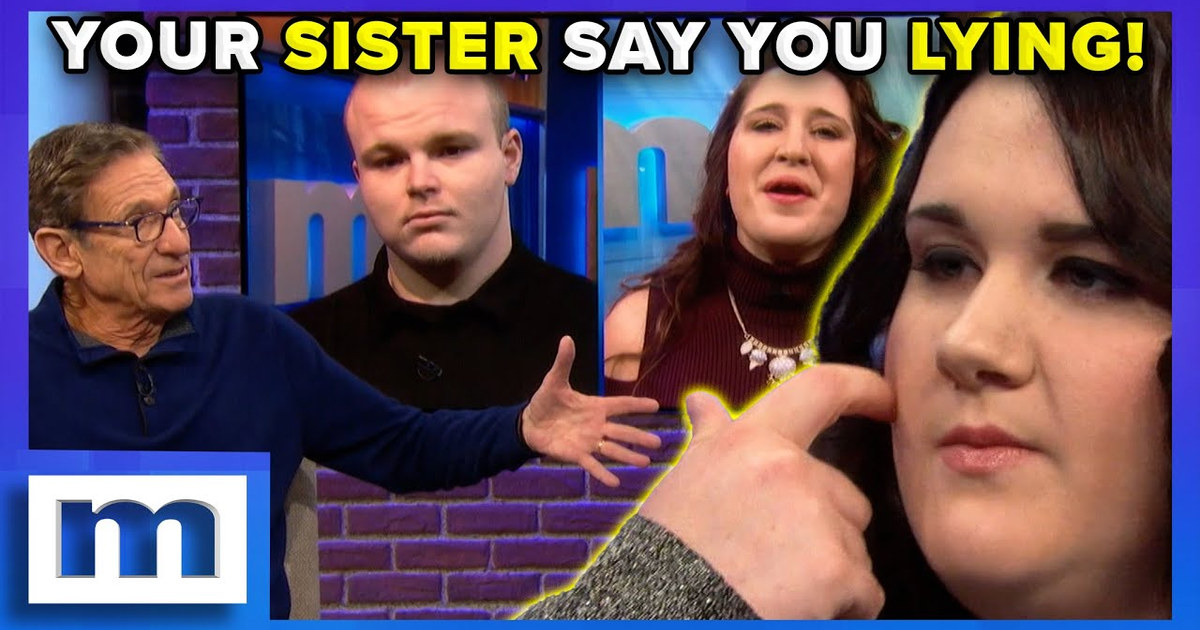
Now Rachel is back. She's engaged to a man named Brandon. They're raising a five-month-old son named Jackson. But Brandon has doubts — strong doubts — that Jackson is his. And if that weren't enough, Rachel's own sister, Carly, is claiming Jackson isn't Brandon's either. The genre fan is already hooked. The craft nerd is already thinking: how do you produce this? How do you keep a live audience from turning into a mob? How do you pace a reveal when the stakes are this personal?
So let's talk to both of you. We'll alternate. Some sections will lean into the genre craft — the narrative machinery, the emotional beats, the DNA test as a plot device. Other sections will lean pure craft — the engineering of a live reveal, the timing, the control room decisions. By the end, you'll see that these two audiences aren't so different. They're both watching the same signal. They're just tuned to different frequencies.
Think of it like filmmaking. A genre fan watches a horror movie and tracks the scare pattern — when the jump happens, how the tension builds. A craft nerd watches the same movie and notices the steadicam work, the sound design, the editing rhythm. Both are valid. Both are necessary. The Mari Show is no different. It's live television, which means the editing is happening in real time, the sound design is whatever the microphones pick up, and the steadicam is a human host walking a fine line between empathy and interrogation.
For the genre fan, the DNA test is the climax. It's the moment when the truth gets stamped with scientific authority. For the craft nerd, the DNA test is a logistical problem: you have to get the results, verify them, and time the reveal so it lands with maximum impact. You have to prepare the host, prep the guest, and manage the audience. It's engineering with a soul — or maybe engineering with a pulse.
Rachel's story is a masterclass in both. Two years ago, she came on the show because Lesie was denying he was Emma's father. The segment had all the genre beats: the denials, the other woman, the eye-color comparisons, the dramatic music. But it also had craft: Mari steering the conversation, the producers feeding questions, the live audience reacting in real time. When the DNA test proved Lesie was the father, it was a payoff that satisfied both viewers. The genre fan got the twist. The craft nerd got the execution.
Now Rachel is back with a new chapter. She's engaged to Brandon, but he's not sure he's Jackson's father. Why? Because Rachel admits she slept with another guy while they were on a break — but she says it wasn't around the time she got pregnant. Brandon isn't convinced. And then there's Carly, Rachel's sister, who's telling Brandon that Jackson isn't his. Carly and Rachel aren't getting along. Rachel says Carly is bitter because Rachel has a family and Carly doesn't. Carly says Rachel is a liar. It's a family feud layered on top of a paternity mystery.
For the genre fan, this is gold. You've got the returning guest, the new relationship, the skeptical fiancé, the meddling sister, and the innocent baby at the center. It's a soap opera with real people. For the craft nerd, it's a scheduling nightmare. You've got multiple guests with conflicting agendas, a live audience that might boo or cheer at any moment, and a host who has to keep the peace while still getting answers. It's like running a server with no downtime and unpredictable traffic.
The Mari Show has been doing this for years. It's a platform — syndicated, daytime, built for conflict. But the craft behind it is underrated. Mari isn't just a host; she's a moderator, a therapist, and a referee. She asks the questions that cut through the noise. She knows when to push and when to pull back. That's not luck. That's skill. And it's the kind of skill that a craft nerd can appreciate even if they don't care about the drama.
So here's the deal. If you're a genre fan, stay for the DNA test. If you're a craft nerd, stay for the live reveal. But don't skip the other parts. Because the best episodes — like the best films — satisfy both audiences at once. They give you the emotional payoff and the technical execution. They make you feel and they make you think. And that's what we're going to unpack in this article. Two audiences, one episode. Let's get into it.


