Part 2
So here's the deal. Over the next few sections, we're going to give both audiences their due. For the genre fans, we'll break down why this paternity test episode delivers the drama goods — the red hair, the cheating, the lie detector, the confrontation. For the craft nerds, we'll dissect the engineering of a talk-show segment — the beat sheet, the repetition, the pacing, the way Maury Povich controls a room like a director controls a set. And we'll show how the two perspectives aren't in conflict. They're the same thing. Filmmaking is engineering with a soul. And this episode has both.
So whether you're here for the red-hair DNA drama or the structural breakdown, you're in the right place. Because the best genre TV doesn't just entertain you. It shows you how it's built. And once you see the machinery, you can't unsee it. But you also can't stop watching. That's the magic trick. And Maury Povich pulled it off for decades.
Genre Craft: Why the Paternity Test Episode Delivers the Drama Goods
If you're here for the genre — the shouting, the tears, the DNA envelope — this episode of Maury is a masterclass. It hits every beat you expect, and it hits them hard. Let's break down the mechanics of why this segment works as pure, uncut talk-show drama.
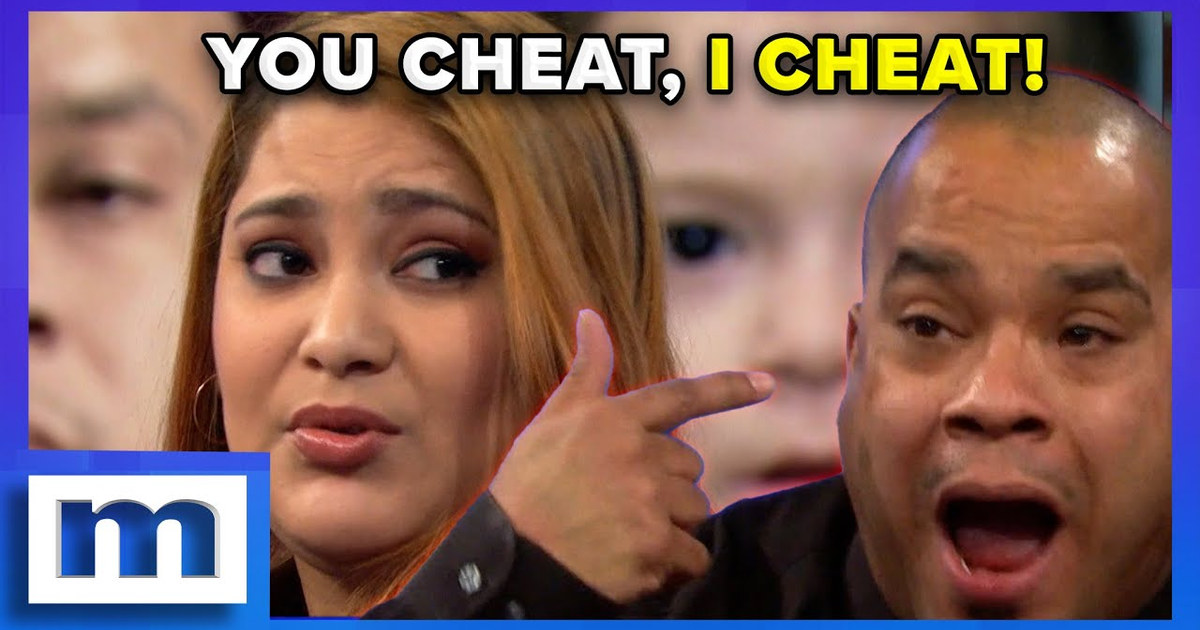
The cold open is a textbook example of efficient storytelling. In under a minute, we get Maria's backstory: Jose cheated, she slept with another guy, she got pregnant, and now there's doubt about whether Jose is the father of her 3-year-old daughter, Jacqueline. That's four years of messy relationship history compressed into a tight, emotionally charged package. It's the kind of setup that would make a screenwriting teacher proud — clear stakes, sympathetic protagonist, and a ticking clock (the paternity test).
Then comes the escalation. Maria explains that Jose lost it at the hospital because Jacqueline was born with red hair. He screamed at the nurse to give her a DNA test. Since then, he's been denying their daughter and accusing Maria of cheating. This isn't just a paternity test — it's a referendum on Maria's entire character. The genre demands that the accusation be as inflammatory as possible, and Jose delivers: 'She's a conniving liar,' he says. He even brings race into it: 'I'm a Hispanic man, does it look like I could make a ginger?' And then the kicker: 'white man's baby.' These are genre beats — provocative, personal, and designed to get a reaction from the studio audience.
Maria's counter is equally on-brand. She insists Jacqueline looks exactly like Jose — 'same nose, same mouth, facial expressions.' It's the classic defense: the visual evidence. In the genre, physical resemblance is often the only proof a mother has before the test results come in. It's a smart move because it plays to the audience's own eyes. If they can see the resemblance, they're on her side.
[[AD]]
But the real genre device here is the lie detector test. Maury's producers know that a paternity test alone is dramatic, but adding a polygraph raises the stakes exponentially. Now it's not just about DNA — it's about trust, honesty, and whether Maria has been faithful since she confessed to cheating. The lie detector turns a binary question (is he the father?) into a multi-layered interrogation. It's a brilliant piece of engineering, really. You've got the DNA test for the big reveal, and the lie detector for the slow burn.
Compare this to other paternity-test episodes of Maury. The show has become synonymous with the phrase 'You are NOT the father!' — a moment so iconic it's spawned countless memes and YouTube compilations. But what makes those moments work isn't just the result; it's the buildup. The episodes where the man denies paternity, the woman insists she's been faithful, and the audience waits for that envelope. This episode follows the same blueprint. Jose's accusations, Maria's denials, the lie detector — it's all part of the ritual.
Other talk shows have tried to replicate this formula. Jerry Springer, which ran from 1991 to 2018, was the pioneer of chaotic confrontation, but its tone was more carnival than courtroom. Steve Wilkos, a former Springer bodyguard, brought a more aggressive, law-and-order vibe to the genre. But Maury occupies a unique space: it's the daytime tribunal where DNA is the ultimate judge. The paternity test is a scientific plot device that gives the show a veneer of objectivity. It's not just he-said-she-said; there's a lab report at the end.
The studio audience plays a crucial role here. They're not just spectators; they're the laugh track for drama. When Jose makes his 'ginger' comment, you can almost hear the collective gasp. When Maria defends herself, you can feel the sympathy. The applause and reactions are carefully cultivated by the show's warm-up acts, but they serve a narrative purpose: they validate the audience at home. If the studio audience is on Maria's side, you feel justified in being on her side too. It's a feedback loop that amplifies every emotional beat.
[[VIDEO]]
And let's not forget the confrontation itself. Jose's accusations are designed to be quotable, outrageous, and deeply personal. 'She's a conniving liar' is a line that could come from a soap opera. 'White man's baby' is a racial grenade that guarantees a reaction. These aren't just insults; they're genre markers. They signal to the viewer that this is going to be a messy, no-holds-barred fight. Maria's response — 'She looks exactly like him' — is the perfect counterpunch. It's simple, visual, and appeals to common sense.


