Part 6
The filmmaking craft of 9 to 5 is a masterclass in comedy engineering. Directed by Colin Higgins, who wrote and directed Harold and Maude (1971) and wrote the screenplay for Silver Streak (1976). Higgins brought a cartoonish, satirical style to the film. The runtime is 109 minutes. The film was a massive hit, grossing over $100 million on a $10 million budget. It spawned a TV series and a musical. The craft: Higgins uses split screens, fantasy sequences, and physical comedy. The screenplay by Patricia Resnick and Colin Higgins is tight. The film balances humor with social commentary. Dolly's performance is a key part of that. She sings the title song, which became a hit and was nominated for an Oscar. The film is available on Hulu and Disney+. The engineering: Higgins builds the comedy like a machine. Each scene escalates the absurdity. The audience is on board because the characters are grounded. Dolly's Doralee is the heart. She's the one who gets the revenge fantasy. That's craft.
Let's go deeper into Dolly's acting technique. She wasn't a trained actress. She had done some TV, but 9 to 5 was her first big screen role. So how did she hold her own against Jane Fonda and Lily Tomlin, two of the best in the business? She used what she had: her life. She knew what it was like to be a woman in a male-dominated industry. She knew what it was like to be dismissed because of her looks. She knew what it was like to be underestimated. So when she played Doralee, she wasn't pretending. She was remembering. That's the alchemy of acting. You take your pain, your joy, your memories, and you transmute them into a character. For the craft nerd, that's the Stanislavski system in action. For the genre fan, that's Dolly being real. And that's why the performance feels so alive. She's not acting. She's being.
Connect to the broader theme: personal stories become material for screenwriting. Dolly's New York anecdote is a perfect example of a personal story that could be a scene in a movie. In fact, it's the kind of thing that screenwriters mine for material. And actors draw on life experience. Dolly's performance in 9 to 5 is informed by her own experiences with sexism in the music industry. She took that pain and turned it into comedy. That's the alchemy of art. For the craft nerd, this is the writing process: you take your life, you structure it, you shape it into a narrative. For the genre fan, it's just Dolly being real. Both audiences win. And that's the point.
There's a beautiful symmetry here. The same skills Dolly uses to tell a story in an interview — timing, detail, emotional truth — are the skills she uses to act in a film. She's a storyteller in every medium. Whether she's on a talk show couch or on a movie set, she's building a narrative. She's taking the raw material of her life and shaping it into something that resonates. That's not just talent. That's craft. And it's why she's lasted for decades. She's not a flash in the pan. She's an institution. She's the whole package.
Why Both Audiences Win
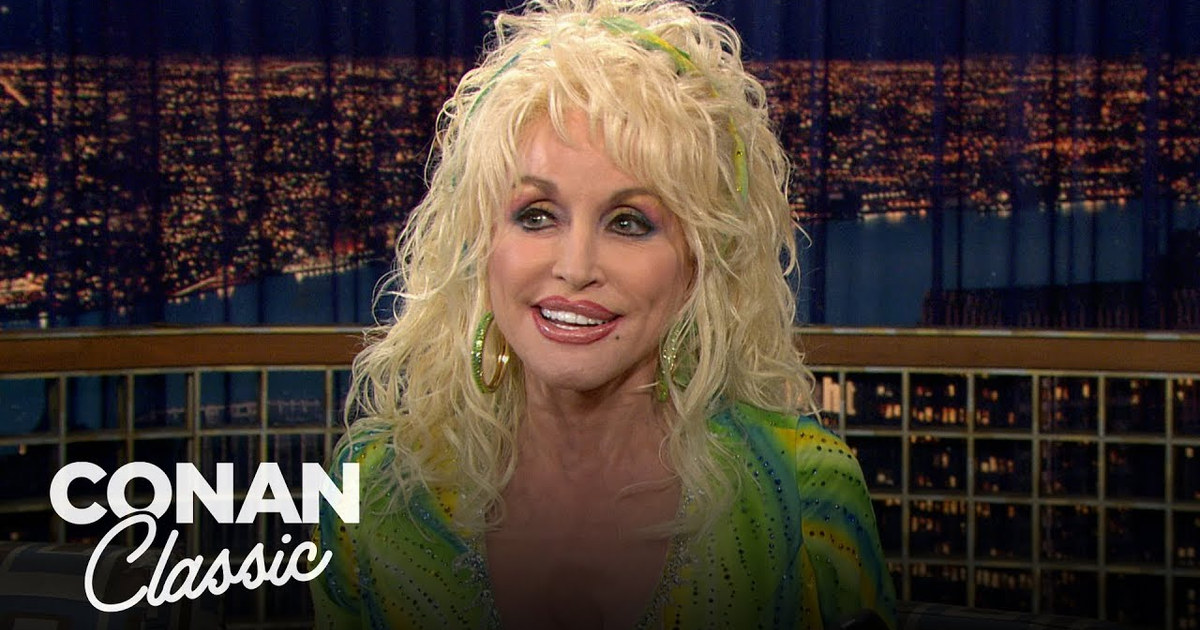
So here's the synthesis. Dolly's authenticity appeals to genre fans. They love her because she's real, she's funny, she's unapologetically herself. Her storytelling in the interview is pure Dolly: down-to-earth, self-deprecating, warm. But that same storytelling is a masterclass in narrative structure. Craft nerds can analyze her pacing, her use of detail, her comedic timing. They can study how she builds suspense and releases it with a punchline. They can see the same techniques in 9 to 5, where she takes her life experience and channels it into a character. The film itself is a feat of engineering: a well-oiled comedy machine directed by Colin Higgins, with a screenplay that balances satire and heart. So both audiences get what they came for. The genre fan gets the lore, the laughs, the Dolly. The craft nerd gets the architecture, the performance, the engineering. And the beautiful thing is, they're watching the same thing. Dolly doesn't separate the two. She's a legend because she's both authentic and skilled. She's the whole package.
Let's be clear: you don't have to choose. You can be a genre fan who appreciates the craft. You can be a craft nerd who gets misty-eyed at Dolly's warmth. The best art satisfies both. And Dolly's career is a testament to that. She's a songwriter, a singer, an actress, a businesswoman, a philanthropist. She's a brand. But she's also a storyteller. And storytelling is engineering. It's architecture. It's performance. It's life experience transmuted into art. Whether she's telling a story about being mistaken for a hooker in New York or playing a secretary who gets revenge on her boss, she's using the same tools: timing, detail, authenticity, and heart. That's why she's a legend. And that's why we can't stop watching.
Think about it like this: a genre fan watches 9 to 5 and cheers when Doralee gets her revenge. They love the fantasy. A craft nerd watches 9 to 5 and marvels at how Colin Higgins structures the comedy, how Dolly's performance anchors the film, how the screenplay balances slapstick with social commentary. They love the execution. But both are watching the same movie. Both are having a great time. And both are right. That's the magic of a film like 9 to 5. It's a crowd-pleaser and a craft showcase. It's a feminist statement and a broad comedy. It's Dolly Parton's movie debut, and it's a classic. You can enjoy it on any level. That's the mark of great art.
And that's what Dolly does in every interview. She gives the genre fan the lore: the smoky mountains, the tie-dye, the friendship with Judy Ogle. She gives the craft nerd the structure: the setup, the escalation, the punchline. She gives everyone a reason to lean in. She's a master of the form. She's been doing this for decades, and she's only gotten better. So the next time you watch a Dolly Parton interview, pay attention to the architecture. Watch how she builds a story. Watch how she times a laugh. Watch how she uses her own life as material. You'll see a legend at work. And you'll see why she's beloved by fans of all stripes.
Tease next part. We've only scratched the surface of Dolly's career. There are more stories: her next film, The Best Little Whorehouse in Texas (1982), directed by Colin Higgins again, co-starring Burt Reynolds and Dom DeLuise. Or her role in Steel Magnolias (1989), where she held her own against Sally Field, Julia Roberts, Shirley MacLaine, and Olympia Dukakis. Or her music, her theme park, her philanthropy. We could analyze another interview, another performance. Maybe we'll look at how she built her empire. Or we'll dive into another film. Stay tuned. Because if there's one thing Dolly knows, it's how to keep an audience coming back for more. And we'll be here, ready to analyze every beat, every punchline, every tear. Because that's what you do when you're a fan. Whether you're here for the genre or the craft, you're here for Dolly. And she never disappoints.


