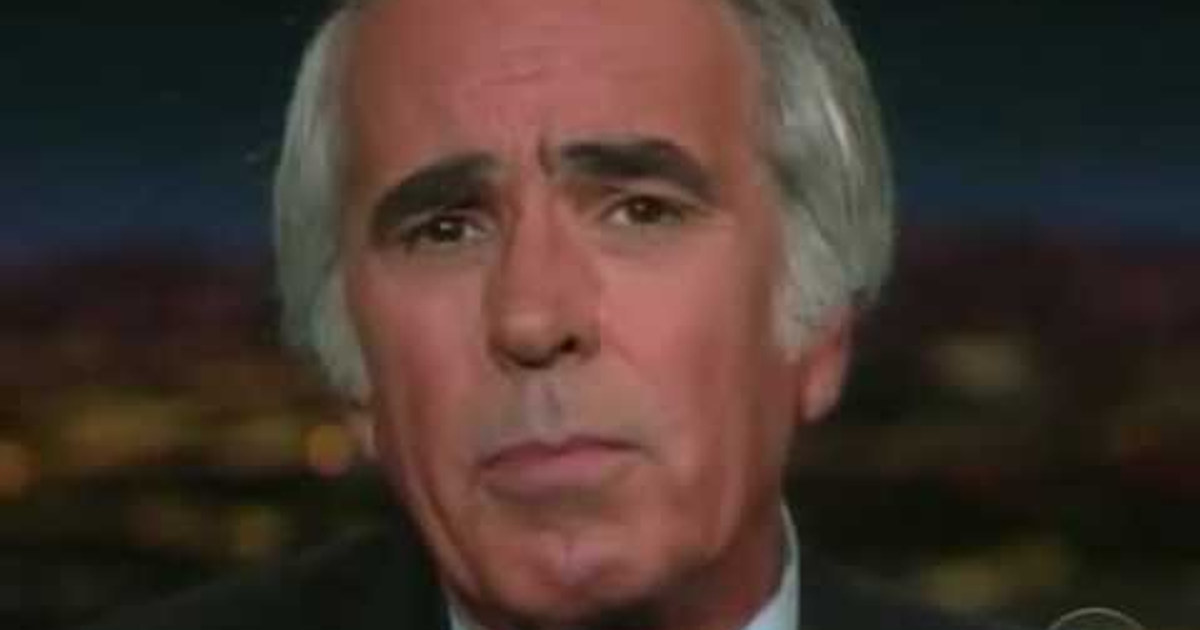
First, look at this: watch the way Craig Ferguson leans forward on his desk before rolling the tape, his voice dropping into pure, unvarnished reverence. He does not treat this as another routine network obligation. He introduces the late Tom Snyder not just as the original pioneer of The Late Late Show, but as the architect of an intimate, conversational style that redefined what broadcasting could dare to be.
Most retrospectives would start with the golden triumphs or the most prestigious celebrity encounters. We are not going to do that today. Instead, let me guide you through the archive in an unexpected sequence—an alternate route that reveals the anatomy of a broadcaster who was unapologetically human on live television.
Why did Snyder hold a grip on late-late-night viewers that slick, primetime hosts could never touch? Settle back, fire up a colortini, and let us walk through the collection together.
[[AD]]
Stop One: The $2,500 Alibi
Step into our first gallery stop: 1972, Burbank, California. Tom Snyder is dispatched to New York to fill in on the Today Show. When NBC executive Sid Gros asks what he needs for expenses—standard protocol being a modest five hundred dollars—Snyder audacious asks for twenty-five hundred. And gets it.
Notice the rhythm of his storytelling as he recounts squandering every nickel on carriage rides and lavish dinners with legendary correspondent Cassie Mackin and the NBC newsroom crew. When the network brass finally demands an accounting of the funds a month later, Snyder doesn't fabricate an invoice. He looks his superior in the eye and deadpans that he was robbed.
When asked if the thieves took the cash, his punchline lands like clockwork: 'No, no, they took the receipts.' Notice the sheer comfort in his own skin; Snyder turned the bureaucratic grit of network television into magnetic, campfire mythology.
[[AD]]
Stop Two: The Live-Wire Flubs
Our second stop displays an exhibit most producers would lock inside a vault: the compilation of on-air fumbles. We see Snyder completely mangling names and interview notes with zero shame. He mixes up Dave Barry with Chuck Berry, fumbles Laura Dern's introduction as 'Norah Dern,' and scrambles through movie titles with charming clumsiness.
How many modern network hosts would allow a reel entirely composed of their own embarrassment to make the airwaves? Snyder did not merely allow it; he reveled in it. He lets his guest correct him about whether her mother grew up in Paris or worked for Harper's Bazaar versus Vanity Fair, grinning right through the correction.
This was the secret mechanism of his charm. Perfection builds a wall between the performer and the living room; genuine error invites the viewer to pull their chair just an inch closer to the screen.
[[AD]]
Stop Three: The Oklahoma City Front Page
Now, walk into the quietest corner of the gallery. The mood pivots instantly from laughter to profound national grief. Snyder holds up the fresh early edition of the Los Angeles Times, the dark headline blaring: 'Car bomb shreds Federal Building in Oklahoma City.'
Observe his diction here. He doesn't read off an impersonal teleprompter draft. He contrasts the shocking brutality with iconic lines from Rodgers and Hammerstein's Oklahoma—the surrey with the fringe on top, the wind waving down the plain—to articulate the surreal shock of heartland violence.
In doing so, he bridges newsman sobriety with spontaneous late-night vulnerability. He validated the collective American horror in real time, reminding us that an entertainment host could also be an anchor when the world cracked open.
[[AD]]
Stop Four: The Philosophy of the Late Hour
Next, examine Snyder’s celebrated aphorisms. Among the most enduring is his signature bit of playful advice: 'Never sweat petty things, and don’t pet sweaty things.' It sounds like pure vaudeville absurdity at first glance, but consider the context.
Late-night television at 1:00 AM operates outside the vanity of the evening schedule. The corporate posturing fades. Snyder used silly wordplay and folksy humor to tell his insomniac faithful that life is far too ridiculous to take with grim seriousness.
[[VIDEO]]
Stop Five: The 1:00 AM Manifesto
Our final stop is Snyder's farewell address to his viewers after a quarter-century on radio and television. He looks directly down the lens and addresses the reality of his time slot without an ounce of bitterness. He readily admits that the show never beat the competition in ratings over its four-year run.
Instead, he compliments his audience's intellect. He tells the night owls that their curiosity surpasses that of any daytime demographic, celebrating the unique bond shared by people awake when the rest of the country is fast asleep.
It was never about winning the timeslot; it was about the shared communion of learning things about the world and ourselves before signing off. He elevated the graveyard shift into an exclusive salon for curious minds.
[[AD]]
And now go back and watch the opening again. Look at Craig Ferguson's eyes as he introduces the tribute. You will realize Ferguson wasn't just eulogizing a predecessor—he was preserving a torch that only a handful of broadcasters in television history ever knew how to carry.


