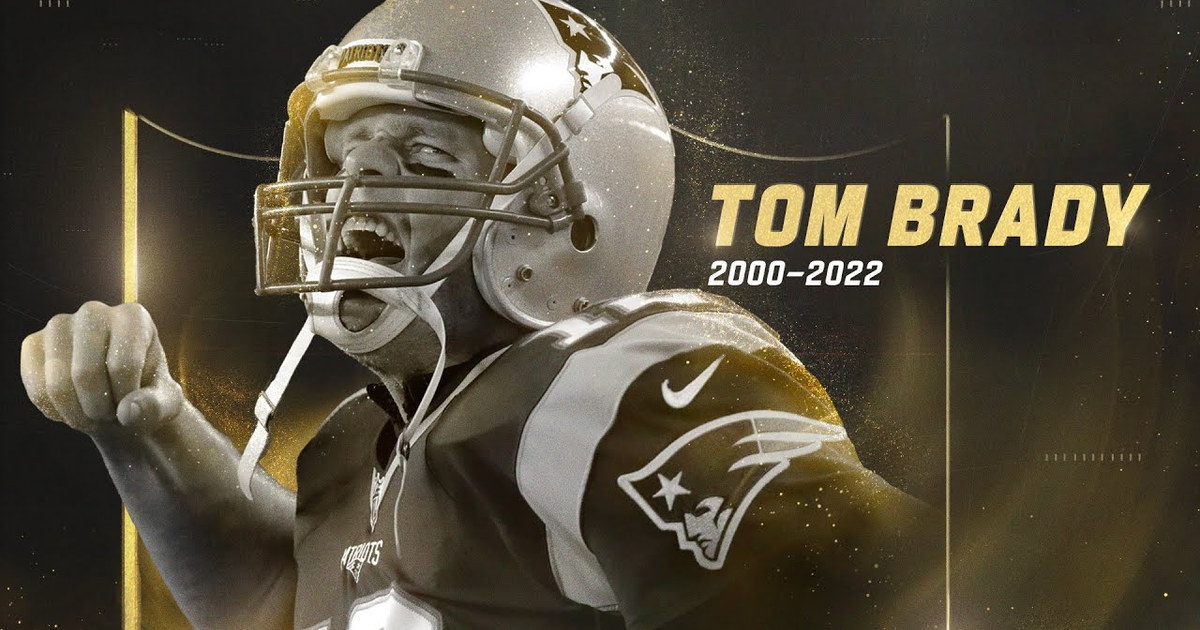
Part 1
The Hit That Changed Everything
It is late in the fourth quarter at Foxboro Stadium, and Drew Bledsoe is running for his life — though not, not yet, in the way that phrase will mean by the time the sun goes down. He has broken the pocket. He is angling for the sideline. And every person in the building can read the geometry of it: he is not going to make it. Mo Lewis of the New York Jets is closing from the outside, and he is not slowing down. Then comes the sound. Not a whistle. Not the clean plastic pop of pads you hear a hundred times a game. Something lower and wetter and much bigger, a noise that climbs up through the aluminum and the concrete and settles into the chests of sixty thousand people at once. The broadcast's entire vocabulary for it is four words: "Oh, what a hit he had!" Then the gasp. Then the silence — the long one, the bad one, the kind that only falls over a stadium when something has gone wrong in a way nobody has a rule for. Bledsoe does not get up the way he has gotten up for nine years.
The date is September 23, 2001 — the first Sunday of NFL football after the September 11 attacks, a week the league spent arguing with itself about whether playing was even appropriate. Foxboro shows up anyway. And standing on that sideline, wearing a Patriots uniform and a look of permanent ownership, is the most expensive player in the history of professional football. Drew Bledsoe signed a ten-year, $103 million contract in March. At the time, it was the richest deal the NFL had ever handed anybody. He is twenty-nine years old. He is the franchise — the face on the billboards off Route 1, the arm that dragged New England to Super Bowl XXXI in 1997. Bill Belichick is in his second season as head coach, and his team went 5–11 the year before. Bledsoe is not a piece of the Patriots. Bledsoe is the Patriots.
The $103 Million Man and the 199th Pick
Behind him on that same sideline stands the cheapest man in the room. Tom Brady is a second-year backup, a sixth-round pick, the 199th player taken in the 2000 NFL Draft. Six quarterbacks went ahead of him that April: Chad Pennington to the Jets at No. 18, Giovanni Carmazzi to the 49ers at 65, Chris Redman to the Ravens at 75, Tee Martin to the Steelers at 163, Marc Bulger to the Saints at 168, Spergon Wynn to the Browns at 183. NFL Films eventually made a whole documentary about that list — "The Brady 6" (2011), part of ESPN's 30 for 30 series — and the joke baked into the title is that Brady is the seventh name. The footnote. The guy at the bottom of the page nobody bothered to print.
The scouting report on him has been quoted so many times it's practically scripture, but it still lands like a slap: "Poor build. Very skinny and narrow. Lacks great physical stature and strength. Lacks mobility and ability to avoid the rush. Gets knocked down easily." Read that last line again. Gets knocked down easily. On September 23, 2001, on the Patriots sideline, the quarterback who gets knocked down easily is standing upright — and the $103 million man is the one on the ground. Brady's own review of the report was shorter and better: "It kind of gets me fired up, 'cause I got to thinking, you know, what the hell do these people know?"
He ran a 5.28-second forty at the combine. As a rookie in 2000 he was buried so deep on the depth chart he was essentially furniture — fourth string behind Bledsoe, John Friesz, and Michael Bishop, with barely a real snap to his name. By the summer of 2001 he'd scraped his way past Bishop to the No. 2 job, which in the NFL is not a promotion so much as a standing invitation to disaster. And on draft day, his reaction to finally being wanted wasn't about destiny or legacy. "Finally, when the Patriots called, I was so excited, you know, I was like, I don't have to be an insurance salesman." That's the whole dream. Not a statue. Not a ring. A job.
There's a story Robert Kraft has told a hundred times, and it's the best window we have into who this kid thought he was before anybody else did. In Brady's rookie year, the owner ran into his sixth-round pick and reminded him of exactly where he'd been drafted. Brady didn't blink. He told Kraft he was the best decision this organization had ever made. Or words to that effect — Kraft has owned the story long enough that the retelling has been polished smooth. But the temperature of it never changes. Nobody has ever had to convince Tom Brady that Tom Brady was good.
One Snap Away
Here is the part almost nobody outside the position understands. Being a backup quarterback is not a job. It's a vigil. You stand on the sideline in a coat, and every time the starter leaves the pocket, your hands move toward your own chin strap on their own, like a reflex you can't switch off. "When you're one of the backup quarterbacks," Brady said, "anytime the quarterback runs out of pocket, I mean, you're buttoning your chin straps up." Forty-five men watch a football play. One of them watches it like it's his own body out there. You never root for an injury. You just stay ready for the possibility that the universe has a dark sense of humor.


