Part 4
Why does this belong on the tour? Because it shows the shape of fame. A sixth-round pick doesn't get to host SNL. A three-time Super Bowl champion does. The comedy detour is the archive's way of telling you that Brady has crossed over. He's not just a football player anymore. He's a brand.
2006 and 2007: The Best Season Ever, and the Room Nobody Wants to Enter
We're still in the mid-2000s. In 2006, the Patriots lose the AFC Championship. The tape notes it and moves on. But it's a signpost: the dynasty isn't invincible. The door is open for someone else.
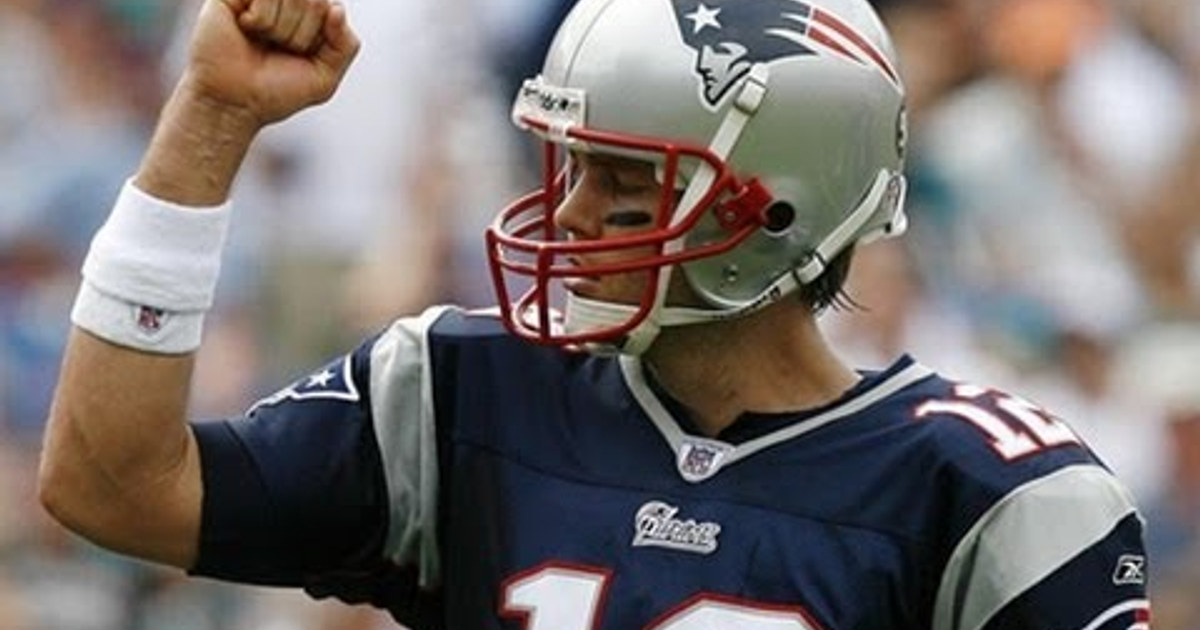
Then 2007. The tape calls it the best season ever by a quarterback. The Patriots go 16-0 in the regular season. Milestone after milestone falls. Brady is rewriting the record book, and the archive is running out of ways to describe it.
And then Super Bowl XLII. The Giants. A last-minute touchdown. Eli Manning takes MVP.
This is the most important room on the tour, and it's not a footnote. It's the room where the perfect season dies. It's the room where the best quarterback season in the archive's memory ends without a trophy. It's the room that reminds you why the flat year in 2002 mattered: because the story was never a straight line.
Stand here a while. Because everything after this — every comeback, every ring, every argument about legacies — is shaped by what happened in this room.
Archival Cross-Reference: The Same Events, Told Differently
Before we leave this stop, check the side exhibits. NFL Films' 'America's Game' has episodes on the 2001, 2003, and 2004 Patriots. Each one frames those seasons through the voices of the players and coaches who lived them. The 2001 episode treats the Snow Bowl and Super Bowl XXXVI as the birth of a dynasty. The 2003 and 2004 episodes treat them as proof that the first one wasn't luck.
Then there's ESPN's 30 for 30 'The Tuck Rule' (2022), which revisits the Snow Bowl and the call that changed everything. Where the WatchMojo clip gives you the overtime win in a sentence, 'The Tuck Rule' gives you the controversy, the replay, and the argument that still hasn't ended.
Same events. Different frames. That's the archive doing what it does best: showing you that history isn't one story, it's a stack of them.
And now go back and watch the opening again. The kid in San Mateo, the 199th pick, the guy who told the Expos no. Then watch the Snow Bowl. Then watch the two-minute drill. You'll see what the archive saw: a career that was never supposed to happen, built one improbable stop at a time.
Last Stop: The Perfect Season That Wasn't, the Off-Field Exhibit, and the 2011 Cliffhanger
Where the Tour Turns Cold: 18-1 and the Perfect Season That Wasn't
Put your hand on the glass here, because this is the case where the guided tour stops being a highlight reel and starts being a warning label.
The 2007 New England Patriots went 16-0. First team in NFL history to do it. Tom Brady threw 50 touchdown passes — then an NFL record — to Randy Moss, Wes Welker, and anyone else who could get open, and the entire league spent four months hunting for an off switch. There wasn't one. They beat the Jacksonville Jaguars and the San Diego Chargers in the postseason and arrived at Super Bowl XLII in Glendale, Arizona, on February 3, 2008, at 18-0, one game from the only perfect season the modern NFL had ever seen.
[[AD]]
They lost 17-14 to the New York Giants.
You know the images. David Tyree pinning the ball to his helmet. Plaxico Burress alone in the end zone with 35 seconds left. Brady on his back five times. But here's the detail this exhibit wants you to notice: the Giants had been written off. They were a wild card that got hot in January, and nobody in that building thought they'd win except the 53 guys wearing blue.
Hold that thought. It comes back around in three years, with a different ending. Or, depending on how you're keeping score, the exact same one.
2008: The Knee, the Lost Season, the Silence
Seven months later. September 7, 2008. Opening week, Kansas City Chiefs at Gillette Stadium. Brady takes a hit low from Chiefs safety Bernard Pollard in the first quarter. Torn ACL. Torn MCL. Left knee. Season over — for a team that had just finished one game short of perfection, and for a quarterback who had started 111 consecutive games.
Bill Belichick handed the huddle to Matt Cassel, a backup who hadn't started a game since high school. Cassel went 11-5. The Patriots still missed the playoffs. That's how narrow the margin was in the AFC East that year — and how much of the 2007 machine turned out to be one guy making the right read.
So ask the question this stop is really asking. What does a full year of watching do to a player who has never once sat still? Twelve months of rehab. Surgery and the setbacks that trail behind it. Meetings he can't take a snap in. A man whose entire identity was "the one who answers," suddenly reduced to a guy in a knee brace on the sideline with his hands in his pockets.


