Part 5
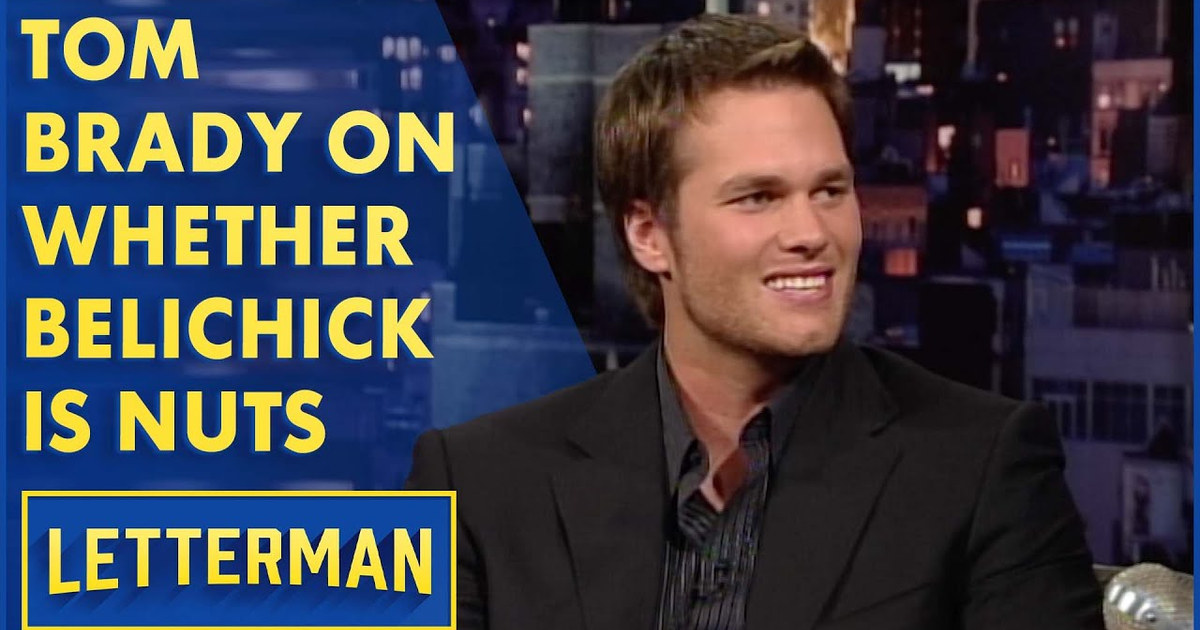
And then the payoff. The bit leaves the studio. Cut to Tom Brady outside the Ed Sullivan Theater. Real footballs. Real taxi cabs. He winds up and throws into traffic, and the street loses its mind.
That's the whole clip in a single image. The play call was the setup. The taxi cab is the punchline. The trailer editor's last shot: Brady winds up. Ball sails. Window. Cheer. Cut to black. That's the rhythm.
Look at the frame one more time. A quarterback on a sidewalk in Midtown, throwing a football like it's fourth-and-8, with no line, no protection, and no coach in his ear. The exact scenario the code exists to prevent. And he nails it anyway. That's the joke that isn't a joke.
Which brings us back to the top. "Zero out slot right 335 max based throwback chip flare." It was never gibberish. It was an operating system. It's how a sixth-round pick turned into the GOAT. It's how Belichick turned obsessive detail into rings. It's how Letterman turned eighteen syllables into one of the funniest minutes of late-night television. And it's why The Roast of Tom Brady (2024, Netflix, hosted by Kevin Hart) could sit the man in a chair and let an entire industry take swings at him. You only get that special if you won enough to earn it.
Twenty-one straight wins. A loss in Pittsburgh. A rookie quarterback nobody wanted to see twice. A rivalry measured in audibles. A perfectionist in a headset who screams when something isn't perfect. A taxi cab rolling past the Ed Sullivan Theater.
The code was never the point. The code was the tool. The point was winning — and winning long enough that a comedian, a rival, a rookie, and a city full of cab drivers all end up inside the same story.
Same eighteen syllables. Now you know what they cost.
Next time: we pull the thread on Peyton Manning's "Omaha" and find out what happens when the quarterback becomes the coach.


