Part 3
Compare to Any Given Sunday (1999, directed by Oliver Stone, 162 minutes). Al Pacino's Coach Tony D'Amato. The inch-by-inch speech. "Life's this game of inches." That's anger. That's passion. That's fire. Belichick's anger is quieter. More detailed. It's not a speech. It's a play call. "Zero out slot right 335 max based throwback chip flare." That's his anger made verbal. It's the sound of a man who demands perfection. Who screams when it's not perfect. Who is a stickler for details. Who never lets up. Who never settles.
Brady absorbs it. He channels it. He's poised. But he's also angry. You can see it in the look he gives on the sideline. The look that says, "What were we doing?" That's not a tantrum. That's a critique. That's a director and actor arguing over a cut. The play call is the script. The anger is the subtext.
Two Quarterbacks, Two Languages
Contrast this with Peyton Manning. Brady says he looks up to Manning. First-round pick. Tremendous player. Always doing the right things. Manning's method was audible-heavy. Famous for "Omaha." He'd scream it at the line. Change the play. Change the protection. It was a language of commands. Loud. Public. Brady's method was system-heavy. Famous for the code line. Quiet. Private. The headset. The huddle. The grammar of winning.
Manning was the sheriff. Brady was the system. Manning audibled. Brady executed. Manning changed the play. Brady ran the play. But both won. Both defined an era. Both changed the game. Manning's language was a conversation. Brady's language was a script. Both worked. Both won. Both are in the Hall of Fame. But they spoke differently. Manning was the audible. Brady was the algorithm. You can see Manning's style in Peyton's Places (2019-2023, ESPN+). You can see modern QB access in Quarterback (2023, Netflix). The game has changed. The language has evolved. But the code remains. The grammar of winning. The language of champions.
This rivalry will matter in section three. The streak. The loss. The Steelers. The taxi cabs. But for now, remember the line. "Zero out slot right 335 max based throwback chip flare." It's not a joke. It's a job description. It's the sound of Tom Brady's Tuesday. His Wednesday. His Sunday. It's the sound of winning.
The Line Is a Job Description
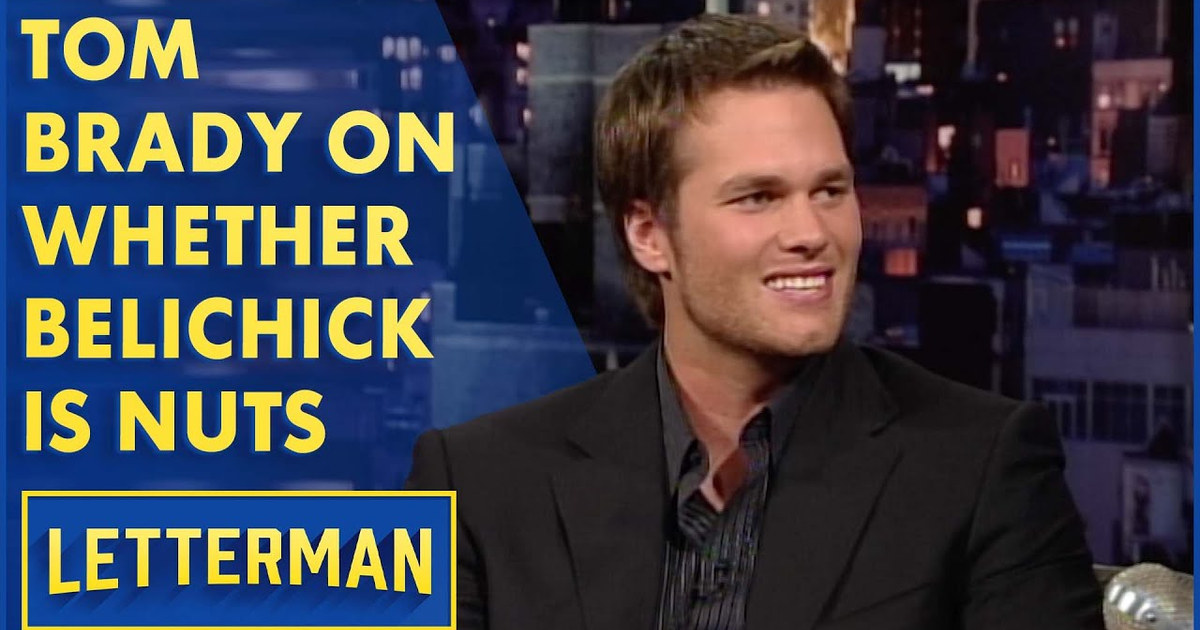
Return to the clip. Letterman laughs. The audience laughs. Brady laughs. But he's not laughing at the line. He's laughing at the memory. The grind. The meetings. The headset. The anger. The perfection. He's reporting. He's telling you what it takes. The line is not a punchline. It's a résumé. It's a job application for the Hall of Fame.
The line is a job description. It's not for laughs. It's for wins. It's the sound of a quarterback who has mastered the grammar. Who has learned the language. Who has become the decoder ring.
Cut to the headset. The editing bay. A rough cut goes in. Brady is the final cut. But Belichick can still yell cut. That's the grammar. That's the system. That's the dynasty. That's the decoder ring.
Next: the streak. The loss. The rivalry. The taxi cabs. The final cut.
Final Cut: Replay the Play Call After the Streak, the Steelers, and the Taxi Cabs
"Zero out slot right 335 max based throwback chip flare."
Eighteen syllables. Fired into Tom Brady's helmet on a Sunday, faster than you can read them. David Letterman hears the whole thing and nearly falls out of his chair. "Holy crap. Are you kidding me?"
Now replay it. The streak is dead. Pittsburgh happened. Ben Roethlisberger happened. Peyton Manning happened. A taxi cab happened. Same line. Same eighteen syllables. And it doesn't sound like gibberish anymore. It sounds like a blueprint.
That's what a final cut does. Same footage. New meaning. The editor just stopped lying about the order.
The beauty of a segment like this is the collision. You take the most complicated communication system in professional sports and you hand it to a comedy host from Indiana who wants to know whether the head coach is insane. Four minutes later, you know more about how a dynasty actually ran than most three-hour documentaries will ever tell you. Nobody wrote it. It just happened.
Start with the streak. Twenty-one straight wins — fifteen to close one season, a Super Bowl ring on top, then six more to open the next one. Brady says it wasn't a burden. Not exactly. It was a question. Reporters would not stop asking it, week after week, win after win. "We certainly had a lot of questions as players." Twenty-one straight, and the room still had questions. That's the temperature of this place.
[[AD]]
Then Pittsburgh. Then the loss. Brady's recap runs about four seconds and goes straight at you: "We didn't do much going into Pittsburgh." No excuses. No weather report. No bad-luck story. Just a defense that came in and handed his offense its butt, and a quarterback who says so like he's reading a stat sheet back to the room. Twenty-one wins buys you nothing on a Monday.
Then he does something harder than complaining. He scouts the man who just beat him. Ben Roethlisberger. Letterman frames it as a joke — the guy went to junior high and then turned pro, he's about fifteen years old, and he's won eight in a row as a starter. Brady answers with an actual scouting report: "He's a big strong guy. Seems like a great leader. The team really plays hard for him." Size. Leadership. Buy-in. Three sentences, three boxes checked. Not one sour grape in the room.


