Part 2
From MySpace to MTV: How a Digital Romance Became a Real-Life Trap
The profile picture was grainy, the font was Comic Sans, and the relationship status said “In a relationship” before either of them had ever heard the other’s voice. That’s how Tiana and James began—on MySpace, sometime around 2012 or 2013, back when Tom was everyone’s first friend and a custom song on your page was a declaration of identity. They typed. They flirted. They built a future out of late-night messages and emojis. For three years, James was the boyfriend Tiana never touched, never saw on video, never met for coffee. He was a ghost with a keyboard, and she loved him anyway.
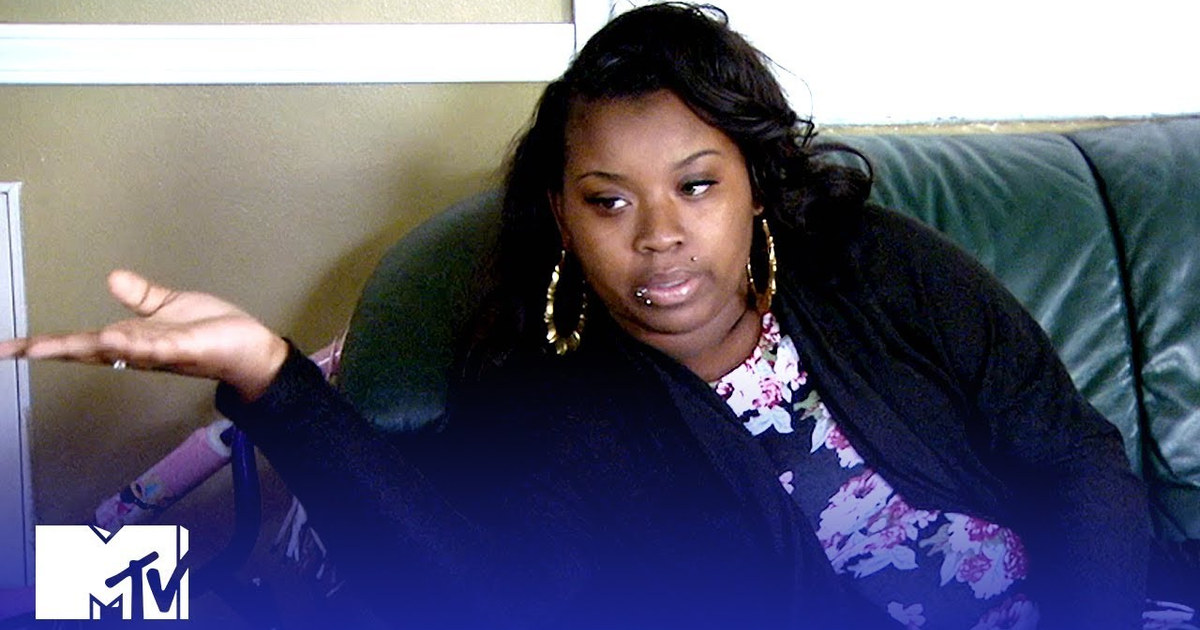
Catfish Season 4 opens with Tiana’s voice, tired and confused. She moved to his state—packed up her life, her daughter Journey, and her hope—only to be left hanging. “He was exciting,” she says. “We talked about a future, maybe moving in together. But when I got there, you just keep making excuses on why you can’t see me.” No video chats. No meetups. Just endless rain checks and a boyfriend who existed only in text. The red flags weren’t just waving; they were on fire, and Tiana was standing in the middle of the blaze, wondering why it was so warm.
But Tiana wasn’t the only one holding a secret. When Nev and Max start digging, they discover that James has a child with a woman named Aisha—a friend of Tiana’s, no less. Meanwhile, Tiana’s own lie surfaces: she never told James about Journey. “He told me he didn’t like kids,” she admits, fear cracking her voice. “I’m scared to tell him because he don’t like all my kids.” So she kept her daughter hidden, hoping that once they met in person, he’d change his mind. Two people, two secrets, one digital house of cards. And the cameras were about to blow it all down.
This is the machinery of Catfish at its finest. The show doesn’t just reveal a lie; it withholds information from both subjects and the audience, letting the tension curdle into something almost unbearable. We know Tiana is hiding Journey. We know James is hiding Aisha. But neither knows about the other’s deception. It’s a narrative engine that runs on dramatic irony, and when the two secrets finally collide, the explosion is nuclear.
The confrontation happens in a bland, fluorescent-lit room—the kind of place where bad news always seems to land. Aisha comes along for moral support, thinking she’s just there to hold Tiana’s hand. Then James walks in. Aisha’s face shifts. Her eyes narrow. Her mouth opens. “That’s my baby daddy!” she shouts, and the room turns into a battlefield. Tiana spins around. “You have a child?” she asks, the words landing like a slap. James stammers. Aisha seethes. The camera cuts between them, catching every flinch, every dropped jaw. It’s not just a reveal; it’s a demolition derby of trust, and everyone walks away with whiplash.
[[AD]]
What makes this scene so effective is how it weaponizes information. The hosts knew about Aisha before Tiana did. The audience knew about Journey before James did. And neither subject knew the other’s secret. It’s a three-card monte of truth, and the show deals the cards with surgical precision. Catfish has always been part detective story, part therapy session, but here it becomes something closer to a thriller—a slow-burn mystery where the villain is a Wi-Fi connection and the victim is anyone who ever believed a stranger’s words.
Compare it to other legendary reveals. In Season 1, Sunny and Jamison’s confrontation ended with a tearful admission and a hug—messy, but human. In Season 5, Dejay, Malik, and Sparkayla turned into a full-blown love triangle that left everyone gutted. But this Season 4 episode might be the most twisted because it refuses to let anyone off the hook. Tiana lied about her daughter. James lied about his entire life. Aisha lied by omission, never telling Tiana that her online boyfriend was the father of her kids. There’s no clean hero here, just a pile of half-truths and a camera crew capturing every second.
[[VIDEO]]
The ethical gray zones are what elevate this from trashy reality TV to something almost literary. Tiana kept Journey a secret because she was terrified of losing a man who didn’t like kids. James kept Aisha a secret because… well, he’s a catfish. But who’s the real catfish? The one who lied about a child, or the one who lied about everything? The episode doesn’t answer. It just lets the question hang in the air like smoke, and we’re left to choke on it.
This is the genius of Catfish as a format. It’s not just about catching liars; it’s about the stories we tell ourselves to survive loneliness. Tiana wanted to believe that James was the man he typed he was. James wanted to believe he could juggle two lives without getting caught. Aisha wanted to believe her baby daddy was just a friend’s boyfriend. Everyone is guilty. Everyone is a victim. And the show, like the best fiction, refuses to moralize. It just watches.
The episode also highlights how technology has changed the way we lie. MySpace was a playground for identity curation—you could be anyone, as long as you had a good profile song. By the time Catfish Season 4 aired in 2015, social media had evolved into a surveillance state, but the lies had only gotten more sophisticated. James didn’t need a fake photo; he just needed to never show up. Tiana didn’t need a fake name; she just needed to omit a daughter. The tools changed, but the desperation didn’t.


