Part 2
The scale of Mary's deception is staggering. When asked how many people she had catfished, she didn't hesitate: "I have literally every social media probably hundreds." Hundreds. Across every platform. That's not a one-off mistake; it's a sustained campaign of fabrication. And the motivation? "I have to pretend to be someone to feel like I'm good enough," she said. It's a heartbreaking insight into the psychology of a compulsive liar: the fake identity becomes a crutch for self-worth, and the attention it brings becomes the drug.
Mary's story isn't unique in the annals of compulsive deception. The 2010 film Catfish, directed by Ariel Schulman and Henry Joost, introduced the world to Nev Schulman's own experience with a fabricated online romance. That documentary—which spawned the MTV series—showed how a lonely woman created an elaborate web of fake profiles to escape her reality. Then there's Talhotblond, a 2009 documentary by Barbara Schroeder that chronicled a love triangle turned deadly, all sparked by a fake online persona. Both works explore the same dark territory: the internet as a stage where anyone can reinvent themselves, and the devastating consequences when the curtain falls. But Mary's case stands out because she openly names her compulsion. She doesn't hide behind excuses; she calls it what it is—an addiction.
What makes Mary's confession so unsettling is its honesty. She knows she's hurting people. She knows she's stealing someone else's identity. Yet she feels powerless to stop. "I don't feel good," she said when asked if she felt bad about lying to Dylan. But feeling bad isn't enough. The cycle of catfishing—create a profile, reel someone in, get caught, apologize, repeat—had become her default mode. And as we'll see, even an intervention from Nev and Max wasn't enough to break it. The addiction was stronger than the remorse.
In the end, Mary's story forces us to confront a uncomfortable question: is catfishing simply a high-tech form of addiction? The parallels are there—the craving for attention, the inability to stop despite negative consequences, the escalation over time. But unlike substance abuse, catfishing is a behavioral addiction that thrives on the very platforms we use every day. Mary found her drug in the glow of a screen, and she's not alone. The mechanics of catfishing—the fake photos, the fabricated lives, the emotional manipulation—are just the tools. The real engine is a deep, human need to be seen, to matter, to be loved. And for Mary, that need became a trap she couldn't escape.
[[AD]]
The Cycle Continues: Intervention, Relapse, and the Limits of Reality TV
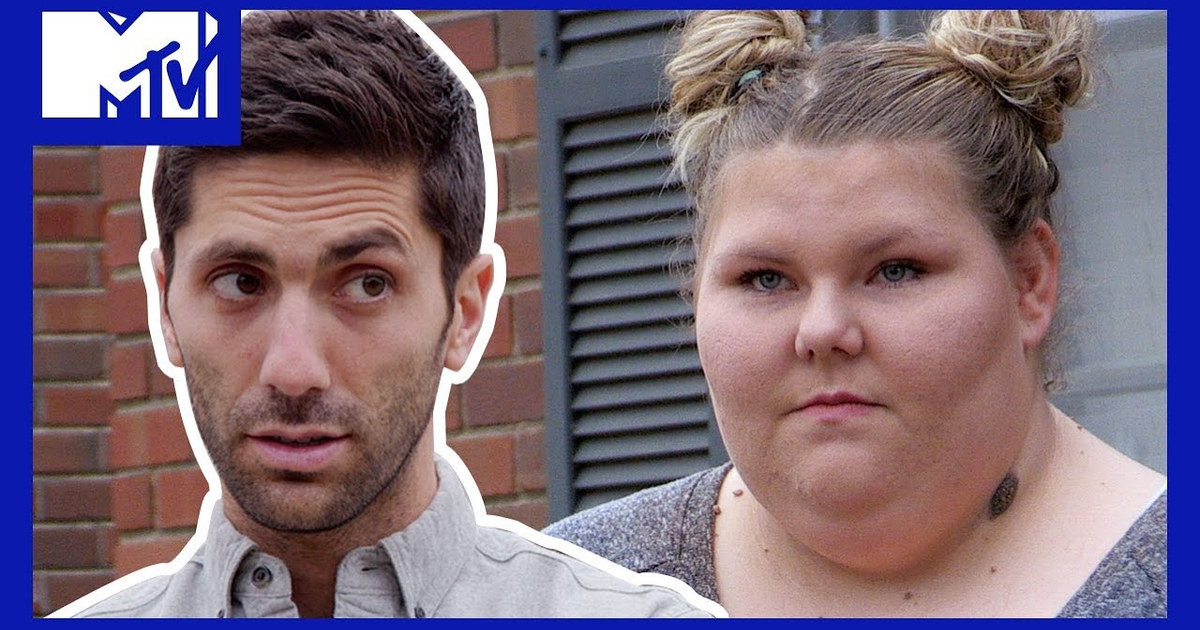
Months after the cameras stopped rolling on Mary’s first Catfish episode, Nev Schulman and Max Joseph got a familiar tip. A guy named Darian had been talking to a girl online who turned out to be lying to him. Guess who? Mary. She was back at it, same playbook, new victim. The show brought Darian face-to-face with her, and what followed was a masterclass in déjà vu. Mary apologized, said she didn’t mean to hurt him, and promised to change. Nev and Max had heard it all before. Because they had. Exactly one year earlier, Mary sat in the same chair and said the same words to Dylan.
This is the part where reality TV’s intervention model starts to look less like therapy and more like a revolving door. Catfish has always positioned itself as a rescue mission: expose the liar, reunite the victim with the truth, and offer the catfish a shot at redemption. It’s a noble idea. But Mary’s relapse exposes the format’s fatal flaw. You can’t cram years of compulsive behavior into a 42-minute episode and call it a cure. As Nev himself admitted, “It always just feels like we’re scratching the surface.”
Compare that to A&E’s Intervention, which has been running since 2005. That show doesn’t just confront addicts; it brings in licensed professionals, maps out a treatment plan, and follows up months later. The difference is night and day. Catfish gives Mary a mirror. Intervention gives her a roadmap. One is television. The other is recovery. And Mary, by her own admission, needed the latter. “I was not gonna stop by myself,” she told Nev. “And I know it’s not going to ever.” That’s not a cry for a cameo. That’s a cry for help the show isn’t equipped to provide.
[[VIDEO]]
But here’s the uncomfortable truth: Catfish knows this. The producers know this. Nev and Max know this. And yet the cycle continues, because the cycle is the show. Mary’s relapse isn’t a failure of the format; it’s a feature. It gives us a second act, a new confrontation, a fresh dose of drama. We tune in to watch the intervention, but we stay for the relapse. It’s the same reason we can’t look away from a car crash. The question is whether we’re complicit in keeping Mary stuck.
Darian’s confrontation was raw. He told Mary she was hurting people, that it never ends well. She nodded, apologized, and promised again. But Nev and Max’s faces said it all. They’d been here before. They’d heard the promises. They’d seen the tears. And they knew, deep down, that this wasn’t an ending. It was an intermission. The real question isn’t whether Mary can change. It’s whether the show can change enough to help her.
The Deeper Wound: Identity, Attention, and the Digital Self
Mary isn't a glitch in the system. She's the system working exactly as designed. When she tells Nev and Max that catfishing is "like my addiction" — that she's hit "hundreds" of people across "literally every social media" — she's describing something the internet has been quietly training all of us to do since the first profile page went live. The question isn't why Mary lied. It's why the architecture of the digital world made lying feel like the only way to be seen.


