Part 1
The Cut That Stopped the Show: Mary Says the Word 'Addiction'
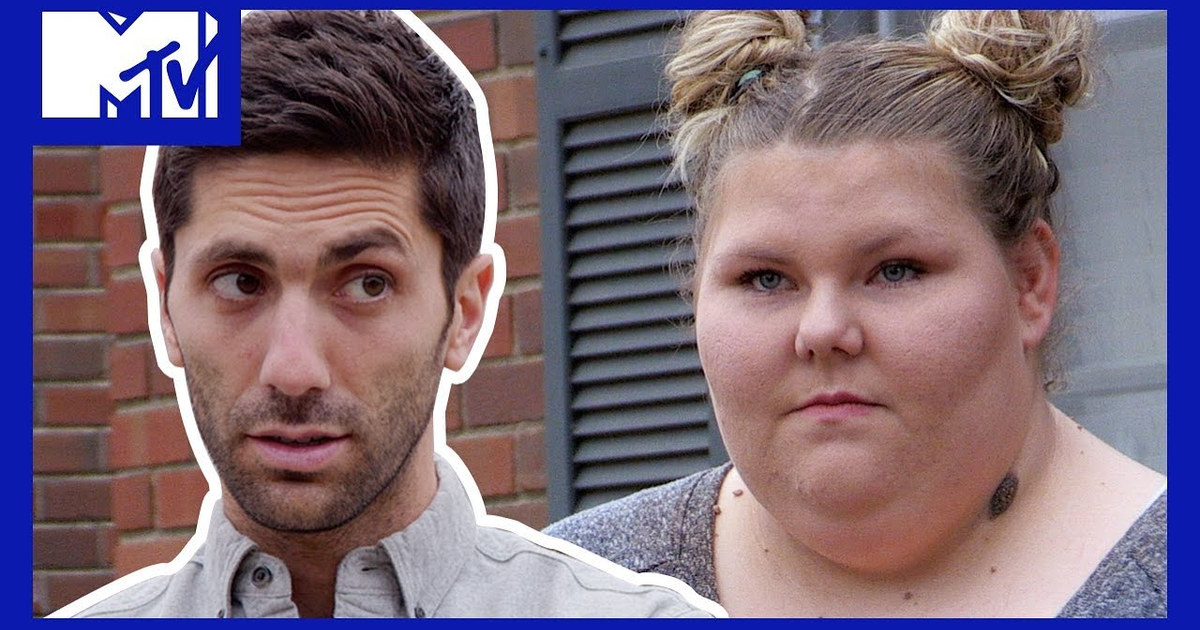
Nev Schulman and Max Joseph sit across from Mary. The room is quiet. She doesn't fidget. She doesn't deflect. She says it plain: 'It's like my addiction.'
Hold on that word. Addiction. In a show built on the reveal — the moment a catfish's face finally matches a name — this is the beat that stops the clock. Not the reveal. The confession.
Let's rewind. An anonymous tip pulls Nev and Max into Dylan's case. The tip comes from Mary's cousin, Chelsea. Dylan has had a traumatic couple of years. He was pushing people away. Then 'Ally' appeared online — beautiful, attentive, always there. She wasn't real. She was Mary.
Mary admits she has catfished 'probably hundreds' of people across every social media platform. She used the real Ally's photos. She lied about working at a hospital while actually studying toward being a general surgeon. She built a life out of stolen pixels and fake shifts.
But here's the structural kicker: in most Catfish episodes, the confrontation is the climax. The big moment. The gotcha. Here, the confession is the climax. The reveal isn't 'who is she' — we already know. The reveal is 'what is this.' And what it is, according to Mary, is an addiction.
A trailer editor would cut this as the cold open. The word 'addiction' lands before the audience knows the context. Then rewind. That's the rhythm. That's the hook. Because once you hear that word, you can't unhear it. It reframes everything.
This single word reframes the entire episode and the show's limits. Catfish has always been about the lie. But what happens when the liar can't stop? When it's not a one-time scam but a compulsion? That's the question Mary forces onto the table. And it's a question the show — and Nev and Max — may not be equipped to answer.
Spoiler warning: details of the episode's outcome follow. If you haven't seen it, stop here.
The episode first aired on MTV. It's part of the long-running Catfish franchise, which started as a 2010 documentary film directed by Ariel Schulman and Henry Joost. That film, Catfish, ran 87 minutes and followed Nev's own online relationship with a woman named Angela. It became a cultural phenomenon. The TV series premiered in 2012, with Nev Schulman and Max Joseph as hosts. Max left the show in 2018 after seven seasons. But in this episode, he's still there, sitting next to Nev, watching Mary say the word.
Let's talk about the setup. Dylan's story is tragic. He'd been through a lot. He was isolating. Then Ally came along. She was his person. He said it: 'You are my person.' And Mary said it back: 'He was my person when I needed him.' That's not a scam. That's a relationship. Twisted, yes. But real to both of them.
Mary didn't just catfish Dylan. She catfished hundreds. Every platform. Every identity. She was the outcast girl who found power in being whoever she wanted online. She stole Ally's photos. Ally caught her before. Ally said rude things. Mary kept going. She lied about working at a hospital. She said she wanted to be a general surgeon. She does go to college. She is studying medicine. But she doesn't work at a hospital. That part was fiction.
Why did she fight to stay in Dylan's life? 'He was my person when I needed him,' she says. 'And I was gonna be there even if I wasn't the real person.' That's the logic of addiction. The substance — in this case, the attention — becomes the relationship. The lie becomes the bond.
Nev asks: 'Did you feel bad that you had been lying to him?' Mary: 'I mean, I don't feel good.' That's not remorse. That's discomfort. The kind you feel when you're caught. But then she goes further. 'Have you tried to actually stop it?' 'Yeah, I've tried and I just go back. There's something that pushes me to go back. Like it's like mine. It's weird to say to people. Like it's like my addiction.'
There it is. The word. Nev catches it: 'You said the word addiction. Which is kind of an admission that things have kind of gotten out of control.' Mary: 'Yeah. I was not gonna stop by myself. And I know it's not going to ever.'
That's the moment. That's the cut. A trailer editor would freeze on Mary's face. Then smash cut to black. Then title card. Because in that exchange, the entire premise of Catfish shifts. It's no longer a detective story. It's a case study. And the subject is not a liar. She's an addict.
Think about the editing implications. The show typically follows a pattern: tip, investigation, confrontation, resolution. The confrontation is the money shot. The moment the catfish walks in and the victim's face falls. But here, the confrontation is just the beginning. The real climax is Mary's admission. The real tension is not 'will Dylan forgive her?' It's 'can she stop?' And the answer, according to Mary, is no.
That's why this beat matters structurally. It breaks the show's formula. It introduces a problem the show can't solve. Nev and Max are not therapists. They're hosts. They confront. They mediate. They don't treat addiction. And yet, here they are, face to face with a woman who says she can't stop. What do you do with that?


