Part 1
The Hook: Why We Can't Look Away from a Catfish Who Can't Stop
You have probably seen the trailer—the tearful confession, the shock of the confrontation. A young woman looks into the camera and says the word that makes everyone lean in: addiction. Not to drugs or alcohol, but to the attention that comes from pretending to be someone else online. It’s the kind of moment that makes you pause, rewind, and wonder: Can a compulsive catfish ever truly change, or is the internet itself the enabler? That’s the question at the heart of Mary’s story, and it’s the one we’re going to answer.
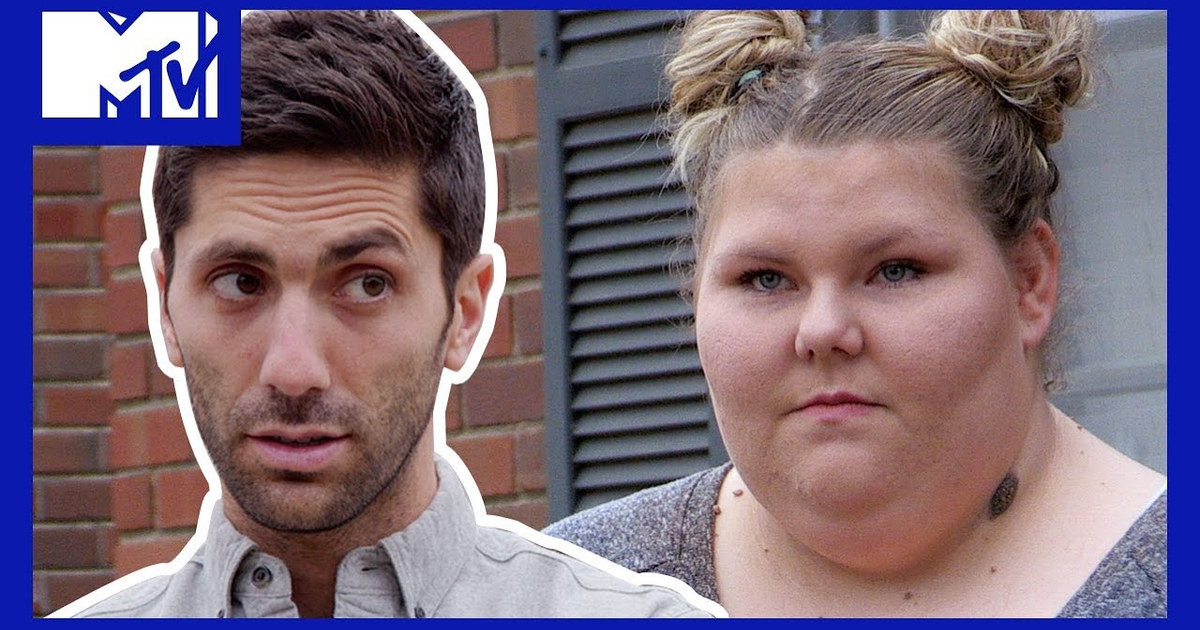
Mary isn’t your typical Catfish villain. She’s a rare specimen: a catfish who openly admits she’s addicted to the deception. In an episode of MTV’s Catfish (2012–present), she tells host Nev Schulman that she’s been doing this for a very long time, that she’s lost count of how many people she’s fooled—hundreds, across every social media platform. “I was not gonna stop by myself,” she says. “And I know it’s not going to ever.” That’s not a confession you hear every week. Most catfish deflect, deny, or crumble under pressure. Mary owns it. She calls it her addiction. And that admission changes everything.
Catfish has been a cultural phenomenon since 2012, when the documentary film Catfish (2010), directed by Ariel Schulman and Henry Joost, introduced the world to Nev’s own online romance gone wrong. The MTV series turned that premise into a weekly ritual of digital detective work, with Nev and his co-hosts—Max Joseph in the early seasons, later Kamie Crawford—helping people confront the person behind the profile. The show’s impact is undeniable: it popularized the term “catfish” as a verb, a noun, and a cautionary tale for the swipe-right generation. But Mary’s episode is different. It’s not just about a lie. It’s about a compulsion. And that compulsion forces us to ask whether the tools we use to connect are also the tools that trap us.
So how do we answer the question? We’ll look at three things. First, the anatomy of Mary’s addiction—what she actually does, and why the mechanics of catfishing make it so hard to quit. Second, the cycle of intervention and relapse that plays out on the show, and what it reveals about the limits of reality TV as therapy. And third, the deeper wound: what Mary’s story says about identity, attention, and the digital self in an era when everyone is performing. By the end, you might not have a tidy answer, but you’ll understand why Mary’s case is more than just a shocking episode. It’s a mirror.
Because here’s the thing: Mary isn’t a monster. She’s a young woman who says she’s always been “that outcast girl,” and the internet gave her a world where she could be whoever she wanted. That’s not so different from what draws any of us to social media—the curated self, the highlight reel, the chance to be someone else for a while. The difference is that Mary took it to an extreme, and she couldn’t stop. As she puts it, “There’s something that pushes me to go back.” That push is what we’re going to unpack. And it’s why, after you watch her episode, you might find yourself wondering if the line between catfish and the rest of us is thinner than you think.
The Anatomy of an Addiction: Mary's Confession and the Mechanics of Catfishing
You have probably seen the trailer: a tearful confession, a shocked host, and the words "it's like my addiction" hanging in the air. That moment—Mary's raw admission on Catfish—is the hook that pulled you in. But what does it actually mean to call catfishing an addiction? And how does someone like Mary turn deception into a daily habit that spans hundreds of profiles? Let's break down the anatomy of her compulsion and the machinery that kept it running.
Mary first appeared on Catfish after a young man named Dylan received an anonymous tip. The tipster claimed that his online love, Allie, was an impostor. That tip came from Mary's own cousin, Chelsea. When Nev and Max dug into the case, they discovered that the person behind Allie was actually Mary—and that she had catfished before. With Chelsea's help, they arranged a face-to-face meeting. Mary walked in, greeted Dylan, and immediately apologized. "I love you and I care about you and I'm so so sorry about all this," she said. But the apology couldn't erase the fact that she had been using photos of a real girl named Allie—someone who had caught her before and lashed out. "I've been stealing her pictures," Mary admitted.
Why pretend to be someone else? Mary's answer was chillingly simple: "I've always been that outcast girl. So then when you go to another world like internet you get to be whoever you want." In the digital realm, she wasn't the overlooked girl anymore. She was Allie—desired, pursued, powerful. That power came at a cost. Dylan had been through a traumatic couple of years and was pushing people away. Mary fought to stay in his life because, as she put it, "he was my person when I needed him." The irony is sharp: she built a connection on a foundation of lies, yet the emotional bond felt real to both of them.
The word "addiction" wasn't just a casual metaphor. When Nev pressed her, Mary didn't flinch. "It's like my addiction," she said. "It's weird to come out but it's like attention and the strive to get that attention and you'd pretty much do anything you could to get that attention." She admitted she had tried to stop but kept going back. "There's something that pushes me to go back," she explained. "I was not gonna stop by myself and I know it's not going to ever." That admission—that she couldn't stop, wouldn't stop—was a first for the show. As Nev later reflected, "that was the first time we've had a catfish come out and basically just say like this is what I do. I can't stop, won't stop."


