Part 2
[[AD]]
The River as Consciousness: Grief Transmuted into Myth
To reduce Theo of Golden to mere comforting escapism is to fundamentally misunderstand its literary architecture. Beneath the warm surface of small-town front porches lies an undercurrent of genuine, unvarnished grief. Much like Marilynne Robinson's masterwork Gilead (2004), the book understands that grace only possesses weight if it has been tested against the inescapable reality of loss.
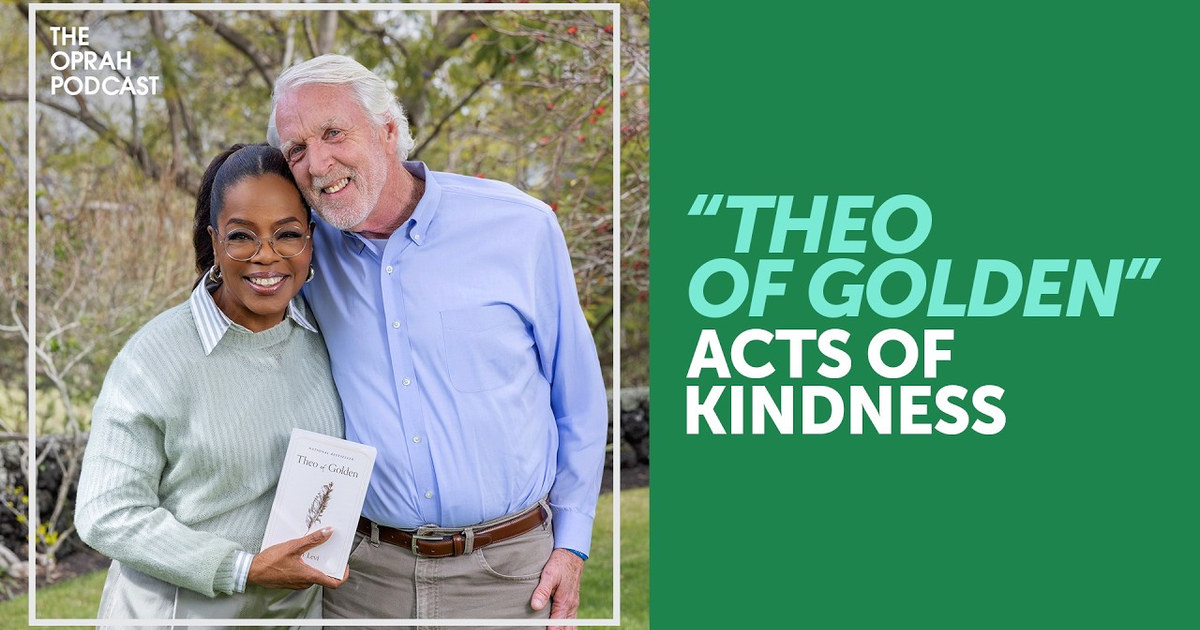
Levi confessed to Oprah that he wept continually during the composition of the manuscript. The beating heart of Theo was not an abstract archetype, but an act of channeling Levi's younger brother, who had passed away a few years prior. The author's real-life mentor, spiritual compass, and closest companion was resurrected through the dignity, patience, and boundless compassion of an aging traveler who has seen his share of sorrow.
That biographical reality explains the pervasive presence of water throughout the narrative. The word 'river' appears an astounding sixty-five times across the text, functioning less as a passive backdrop and more as an active metaphysical consciousness binding the characters together.
[[AD]]
The geography bridges the Douro River in Portugal—Theo's ancestral point of origin—with the fictional Oxbow River running through Golden (itself a clear stand-in for the Chattahoochee River). The water serves as a living metaphor for continuous, unceasing grief that has managed to purify itself through forward motion.
As Levi writes in one of the book's most haunting lines: 'I fear we own all of the world's hurt together.' It is a devastating reframing of collective trauma. The novel rejects the Western obsession with privatized suffering, proposing instead that sorrow is a universal watershed. If we all drink from the same river of woundedness, then unprompted kindness is not an optional luxury—it is the bare minimum requirement for civic survival.
This thematic resonance echoes the quiet majesty of Ryusuke Hamaguchi's Drive My Car (2021), where long stretches of patient dialogue alongside running landscapes reveal that true healing only begins when we grant another soul permission to carry a share of our grief.
[[AD]]
[[VIDEO]]
The Mystery of the Bench: Why We Still Need Strangers
One of the most deliberate structural choices Levi made was to preserve Theo's air of gentle secrecy. The reader never receives an exhaustive, hyper-detailed backstory detailing every decade of Theo's past. We are not given a laundry list of psychological motivations to neatly explain away his virtue.
He arrives as a stranger, and in many respects, he remains one. That narrative choice creates an intriguing tension that pulls readers through the book's intentionally tranquil pacing. In commercial screenwriting terms, the bench functions as an open stage, and the suspense hinges entirely on relational chemistry: Will the next person sit down, and will they possess the courage to drop their defenses?
In a modern media environment that insists everyone declare their allegiances, affiliations, and grievances instantly, an encounter with an unreadable, benevolent stranger feels almost supernatural. It evokes the mythological resonance of classic folklore, where an angel or wanderer visits a village to test the hospitality of its residents.
[[AD]]
Levi's background as an avid reader—nourished over the decades by the formidable, challenging selections of Oprah's Book Club—allowed him to trust his readers' intelligence. He understood that readers do not need every thematic point underlined with a neon highlighter. They simply need space to feel.
By treating his audience with the same quiet dignity with which Theo treats the residents of Golden, Levi crafted something that transcends ordinary genre boundaries. The novel operates as an open invitation to change how you look at the person waiting in line next to you at the grocery store or sitting across from you on the morning commute.
Reframing the Question: The Revolutionary Act of Looking
So we return to the question that Theo of Golden poses to our exhausted contemporary culture: Can quiet attentiveness really triumph in a world screaming for conflict? The explosive grassroots triumph of Alan Levi's humble southern fable provides the ultimate proof.
People did not flock to this book because they wanted simple reassurance that life is easy. They embraced it because they are desperate for an alternative to constant suspicion. They wanted to be reminded that looking at someone with unconditional, adorational attentiveness is not a naive weakness, but the most radical, daring choice an artist or an ordinary citizen can make.
As Levi showed during his porch conversation with Oprah, true transformation rarely begins with a megaphone or a coordinated PR blitz. It starts with someone taking a moment to look at a face, recognizing the unexpressed sorrow behind the eyes, and having the courage to say: I see you, and your life matters.


