Part 1
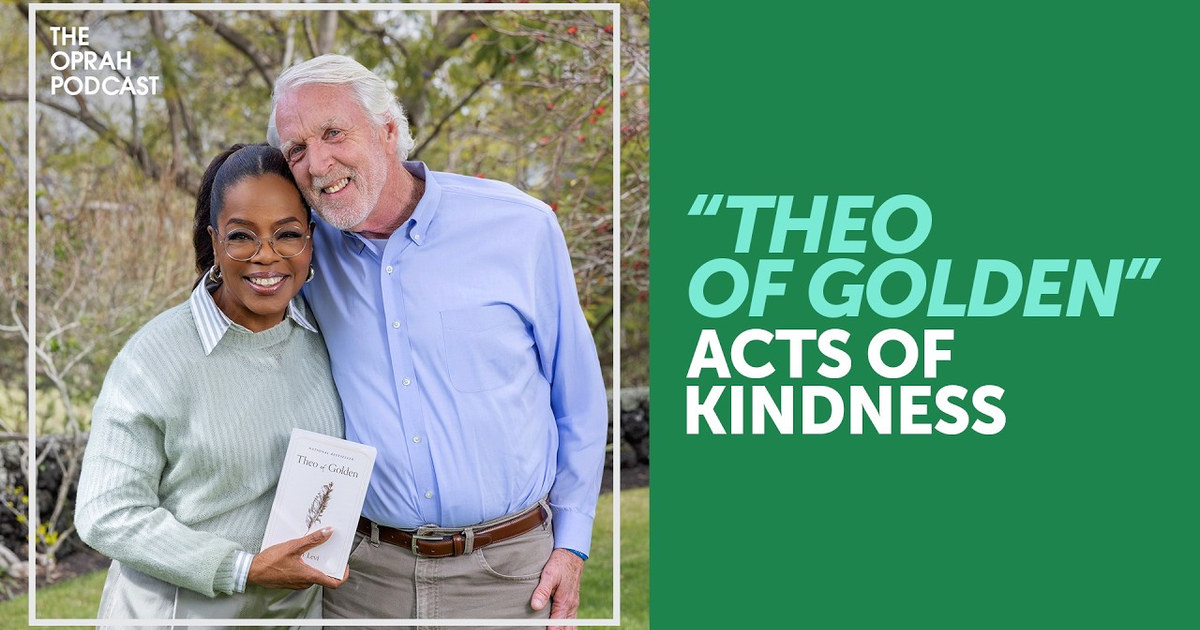
You have probably heard the whispers rolling across the culture over the last few months, the kind of quiet word-of-mouth thunder that usually only belongs to underground records or secret film screenings. Strangers were quite literally pulling Oprah Winfrey aside on the street, tugging at her sleeve to ask if she had caught wind of an impossible little book called Theo of Golden. There was no million-dollar marketing rollout, no glossy publicity junket, and no blue-chip Manhattan publisher greasing the wheels of the algorithm.
Instead, this self-published text by a debut novelist quietly walked up the mountain and claimed the number one spot on the New York Times bestseller list. That unprecedented trajectory forces us to confront a vital question that our hyper-accelerated cultural ecosystem rarely dares to ask: In an era explicitly engineered for rage-bait, algorithmic dread, and fractured attention spans, can unadorned, radical human tenderness still command the room?
The answer, as proved by the sheer velocity of Alan Levi's runaway phenomenon, is an emphatic, earth-shaking yes. When art dares to strip away the armor of irony, audiences do not merely respond; they collapse into it with profound relief.
[[AD]]
The Anatomy of a Bestowal: How Stillness Became Spectacular
If you break down the mechanics of popular narrative over the last decade, speed has consistently been treated as the ultimate virtue. From frantic multiverse blockbusters to the punchy, twist-obsessed pacing of modern psychological thrillers, the modern spectator is rarely allowed to sit still. Yet the narrative engine of Theo of Golden operates on an aesthetic frequency closer to Jim Jarmusch's Paterson (2016), where ordinary domestic routine is elevated into something sacramental.
The plot centers on an elderly Portuguese man named Theo who arrives unheralded in the small southern town of Golden. Rather than pursuing an explosive dramatic goal, Theo embarks on a series of what Levi terms 'bestowals.' He visits a local coffee shop, purchases graphite pencil portraits of everyday citizens off the wall, and meticulously tracks down the subjects to return their likenesses to them.
Most of the primary action occurs without pyrotechnics or melodrama. It unfolds almost entirely on a public wooden bench. Theo invites a neighbor to sit down beside him, unspools a quiet conversation, and reveals what he sees in their face before ever placing the frame into their hands.
[[AD]]
In doing so, Levi constructs a thrilling subversion of traditional conflict. In modern drama, characters collision-course into each other to expose hidden deceits or unleash repressed malice. Theo sits beside people to articulate the hidden, uncorrupted goodness they have long forgotten about themselves.
During their sit-down discussion, Oprah keyed directly into this dynamic, pointing out that Theo's act is never fundamentally about the material sketch itself. The paper and graphite are mere props for the terrifying, electrifying gift of being genuinely witnessed. In an age of relentless surveillance where everyone is constantly recorded but nobody is actually perceived, that distinction lands like a lightning bolt.
The cinematic equivalent here is not the high-concept franchise machine, but rather the luminous patience of David Lynch's The Straight Story (1999). In both works, the dramatic stakes are entirely relational: Can two human beings sit together long enough for the protective scaffolding of social performance to melt away?
[[AD]]
The Guerrilla Grace of the Unprofessional Artist
Part of what makes the cultural footprint of this project so intoxicating is Alan Levi's total refusal to follow the accepted rulebook of the modern creative class. Levi did not emerge from an elite MFA program, nor did he spend decades cultivating connections with literary agents over cocktails. He had already lived several entirely distinct lives before writing a page of long-form fiction: fifteen to twenty years as an itinerant traveling songwriter, thirteen years practicing law, and a subsequent tenure serving as a courtroom judge.
That unique life experience mirrors the world-weary authenticity of Robert Duvall's Mac Sledge in Tender Mercies (1983). There is an earned, unhurried cadence to Levi's perspective that only comes from someone who spent decades watching real people break, negotiate, mourn, and attempt to reconcile in the cold halls of justice and roadside music halls.
When Levi finally walked into Fountain City Coffee in Columbus, Georgia, and saw the 92 portraits drawn by his longtime friend Dr. Gary Pound, he was not hunting for an intellectual property jackpot. He was simply following an impulse of pure, uncommodified curiosity. He bought four portraits, took them home, and stared at the faces until the sketches began demanding an accounting of their interior lives.
[[AD]]
Because there was no publishing advance looming overhead, no editor setting quarterly milestones, and no agent advising him on genre trends, Levi spent three solitary years chipping away at the manuscript. He relied on pure, unadulterated instinct, famously carving out roughly one hundred entire pages of material because he felt they failed to serve the emotional spine of the story.
When the initial draft was completed, he shared it only with five trusted college friends during an annual retreat. Their unprompted enthusiasm sparked the initial decision to self-publish. From there, Levi teamed up with his niece, Erin, who handled graphic design, distribution, and layout logistics on a shoestring budget.
When the book launched quietly in late 2023, it moved three thousand copies through sheer communal goodwill. By the time the mainstream corporate publishing apparatus finally caught up and dialed his phone, Levi was not sitting at a desk monitoring sales algorithms. He was out in the pasture in front of his home, quietly hammering bluebird boxes into wooden posts. That absolute detachment from commercial desperation is precisely what gives the prose its startling moral clarity.


