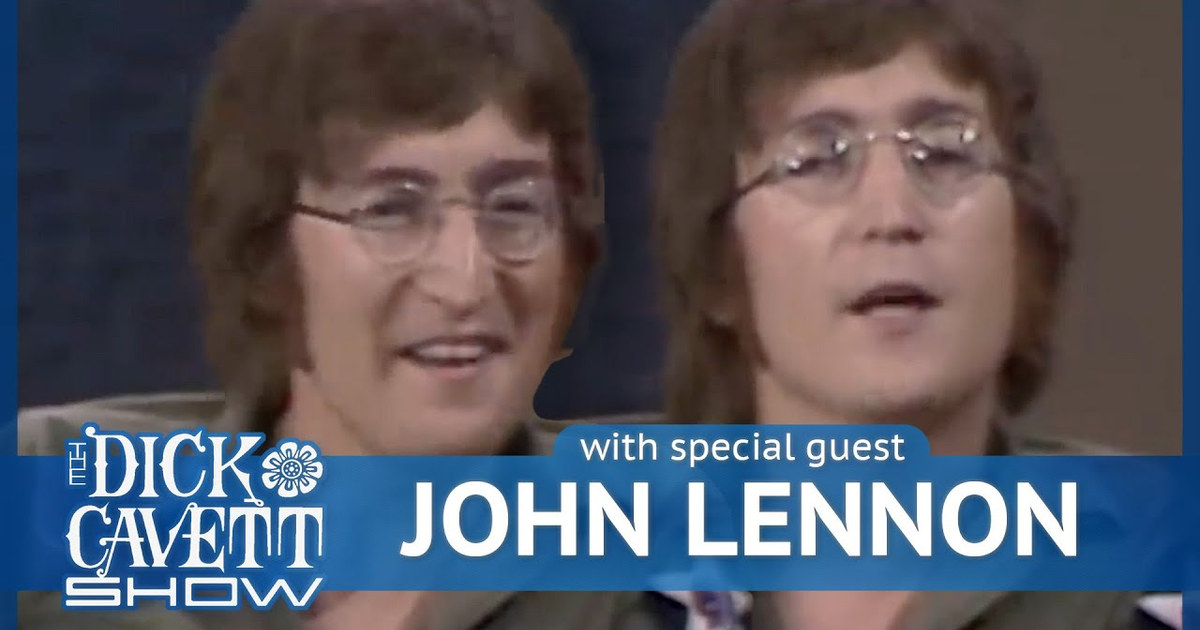
You’ve seen the headlines, the grainy photos, and the decades of vitriol aimed at one woman. For years, the narrative has been simple, lazy, and entirely wrong: Yoko Ono walked into the studio, sat on an amp, and single-handedly dismantled the greatest band in human history. But if you actually sit down and listen to the people who were there—the ones living through the pressure cooker of global fame—the story shifts from a soap opera to a much more human reality.
The truth is, blaming Yoko for the Beatles breaking up is like blaming the last raindrop for a flood. The band wasn't a victim of an outsider; they were victims of their own impossible success. They were four men who had been living in each other's pockets since they were teenagers, and by the late sixties, the seams were already fraying.
When John Lennon met Yoko, he didn't find a wedge; he found an artist who challenged him to be something other than a Beatle. He wasn't looking to burn the house down; he was looking for an exit strategy from a life that had become a gilded cage.
[[AD]]
The 'Dragon Lady' Label: A Masterclass in Misogyny
Let’s be honest about why the 'Dragon Lady' narrative stuck. It was easy. It was sexist. It was xenophobic. It was much simpler for the press to paint Yoko as a mystical, manipulative force than to admit that four grown men had simply outgrown their shared identity.
John himself was the first to defend her, often pointing out the absurdity of the claim. How could one woman, no matter how influential, split a group of four titans? The reality is that the Beatles were already drifting. They were tired, they were creatively exhausted, and they were dealing with the kind of internal friction that happens when you’ve been the most famous people on the planet for a decade.
John famously noted that he didn't want to be the 'Crazy Gang' or the Marx Brothers, shuffling onto a stage at fifty to sing 'She Loves You' while struggling with the ravages of age. He saw the trap of nostalgia, and he wanted out before the music became a parody of itself.
[[AD]]
The Inevitable End: Growing Up in Public
There is a poignant moment in the history of their final years where you realize the split wasn't a sudden explosion; it was a slow, quiet realization. It’s like falling in love—you don't always remember the exact second it happened, but you know when you're in it.
The band had become a miracle that had lasted far longer than anyone had a right to expect. Expecting four brilliant, idiosyncratic artists to stay in lockstep forever is a fantasy. By the time they reached their late twenties, their individual paths were diverging. John’s life changed drastically around the time he turned thirty, and Yoko was simply the catalyst for the change he was already craving.
It’s worth noting that Yoko wasn't even a Beatles fan when they met. She didn't know their discography; she knew them as people. She treated John like an artist, not a commodity. That kind of dynamic shift is terrifying to a machine that relies on the status quo.
[[AD]]
The Myth of the 'Happy Accident'
People love to look for deep, hidden meanings in the band's history. They look at the name 'Apple' and see a grand, calculated design. In reality, it was often just a series of happy accidents. Yoko didn't even know that 'Ringo' meant apple in Japanese—it was just a coincidence that fit the brand.
We spend so much time dissecting the 'why' of the breakup that we forget the 'what.' The music they made after the split—the solo work from George, Paul, Ringo, and John—is a testament to the fact that they were all individuals who needed room to breathe. If Yoko helped John find that air, then maybe we should be thanking her for the solo catalogs we cherish today.
[[VIDEO]]
Final Thoughts: The Legacy of the Split
The Beatles didn't break up because of a woman; they broke up because they were human beings who had reached the end of a very long, very intense road. It’s time to retire the villain narrative and appreciate the complexity of their evolution.
Next time, we’re diving into the 'Get Back' sessions and looking at the raw, unvarnished footage that proves just how much love—and tension—was still in the room right until the very end. Stay tuned.
If you ask me, the real tragedy isn't that they broke up, but that we spent fifty years blaming the wrong person for it.


