Part 4
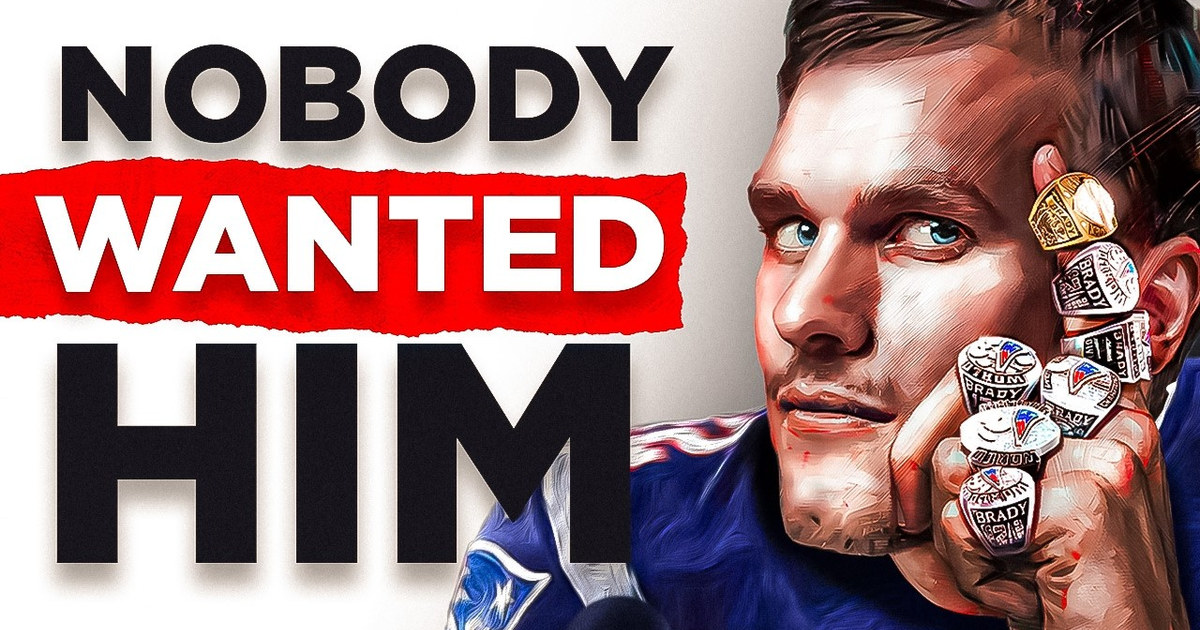
The Patriots finish the season 6-1 and secure the second seed in the AFC. A team that started 0-2 is now a team nobody wants to face. Brady has gone from fourth string to backup to starter to the guy. If you want to hear him talk about these moments, go to the 2021 ESPN+ series Man in the Arena, directed by Gotham Chopra. Or go to the 2017 Facebook Watch series Tom vs Time, also directed by Gotham Chopra. In those, Brady discusses the mindset, the preparation, the doubt, and the way he had to earn every single snap. They’re not highlight reels. They’re character studies. And they make the 2001 season feel less like a fluke and more like a blueprint. The docent’s note: the underdog story is only satisfying if you see how much work went into it. Brady didn’t stumble into greatness. He prepared for the moment, and then the moment arrived with a brutal hit.
While you’re in the archive, pull up The Brady 6, the 2011 ESPN documentary about the six quarterbacks taken before Tom Brady in the 2000 NFL Draft. Chad Pennington went in the first round. Giovanni Carmazzi and Chris Redman went in the third. Tee Martin went in the fifth. Mark Bulger and Spergon Wynn went in the sixth. Brady went 199th overall. That’s the context. That’s the chip on the shoulder. That’s why every completion in 2001 felt like a rebuttal. The documentary is a time capsule of doubt. And it makes the Week 5 comeback against the Chargers, the Week 3 win over Manning, and the Week 10 decision to stick with Brady feel even more improbable. The docent’s note: never underestimate a sixth-round pick with something to prove.
So here we are. The playoff stage is set. A sixth-round pick is leading a team of underdogs into the postseason. The Patriots aren’t supposed to be here. Brady isn’t supposed to be here. But the archive doesn’t lie. The backup is now the starter. The emergency exit is now the main entrance. Next stop on the tour: the Tuck Rule, the Super Bowl XXXVI upset, and the birth of the NFL’s greatest villain. You’ll see the fumble that wasn’t. You’ll see the Rams offense that was supposed to destroy them. You’ll see the moment Tom Brady stopped being a feel-good story and started being the man everybody loved to hate.
And now, go back and watch the opening again. You’ll see the fourth-string quarterback. You’ll see the 1-of-3 rookie season. You’ll see the 199th pick. You’ll see the 5-11 team. You’ll see the backup who was never supposed to play. And you’ll understand that the most hated player in NFL history started as the most accidental savior in NFL history. The hit by Mo Lewis didn’t just change the Patriots. It changed the NFL. The dynasty didn’t begin with a parade. It began with a clipboard, a depth chart, and a brutal collision that forced the greatest quarterback of all time onto the field. Next time, we walk through the Tuck Rule and Super Bowl XXXVI. Bring your popcorn.
[[AD]]
The Tuck Rule, The Super Bowl, and the Birth of the NFL's Greatest Villain
Stop five on our guided tour. And this is where the underdog story takes a sharp turn into villain origin story. January 19, 2002. Foxborough, Massachusetts. A snowstorm blankets the field. The New England Patriots, led by a sixth-round pick named Tom Brady, host the Oakland Raiders in the AFC Divisional Round. The Raiders are the better team on paper. They have Rich Gannon, Tim Brown, Jerry Rice. They have Jon Gruden. The Patriots have a 24-year-old quarterback who was the 199th pick in the 2000 NFL Draft. But Brady has already taken the starting job from Drew Bledsoe after Bledsoe went down with a chest injury earlier in the season. Still, no one expects this. Not yet.
The game is a slugfest. The Patriots lead 10-7 at halftime. The Raiders take a 13-10 lead in the fourth quarter. Then, with under two minutes left, Brady drops back to pass. Raiders cornerback Charles Woodson blitzes untouched. He hits Brady's arm. The ball pops loose. Raiders linebacker Greg Biekert falls on it. Game over. Raiders win. The Oakland sideline celebrates. The Patriots look defeated. But wait. The referees huddle. They go to the replay monitor. Referee Walt Coleman emerges. He invokes the Tuck Rule. Brady's arm was moving forward, he says. It's an incomplete pass, not a fumble. The Raiders are stunned. The Patriots keep the ball. Brady completes a pass to David Patten. Then Adam Vinatieri kicks a 45-yard field goal in the snow to tie the game. Overtime. Brady drives the Patriots 63 yards. Vinatieri kicks a 23-yard field goal. Patriots win 16-13. The Snow Bowl. The Tuck Rule. The moment the underdog became the villain.
Ask yourself: Was this the moment the likable underdog became the most hated player in the NFL? For Raiders fans, absolutely. They still call it the Tuck Rule game. They still believe they were robbed. And Brady? He knows. Years later, he reflected on it with a smirk. "go ahead and what if the ball was tuck look at what happened all right I'd have held on to the ball okay I all right I give you that doesn't take much pressure to knock it out at that point go ahead fumble or in this case tuck roll fumble or not they won the game." That's Brady. Self-aware. Unbothered. He knows the rule was controversial. He also knows the Patriots won. That mix of humility and killer instinct is exactly why he became the villain. He doesn't apologize. He just wins.


