Part 3
Plastic Surgery, the Town Tramp, and the Art of Knowing Exactly What You're Doing
So you're sitting there, maybe you just watched that clip of Dolly Parton at 75, and you're thinking: okay, the woman looks incredible, but what's the real story? Is it all just good lighting and a great surgeon? Well, pour yourself a glass of something sweet, because Dolly has never been shy about any of it. Not the surgery, not the wigs, not the makeup. And that honesty is exactly why we can't stop talking about her.
You gotta understand—Dolly didn't stumble into that look. She built it. And she's been laughing all the way to the bank.
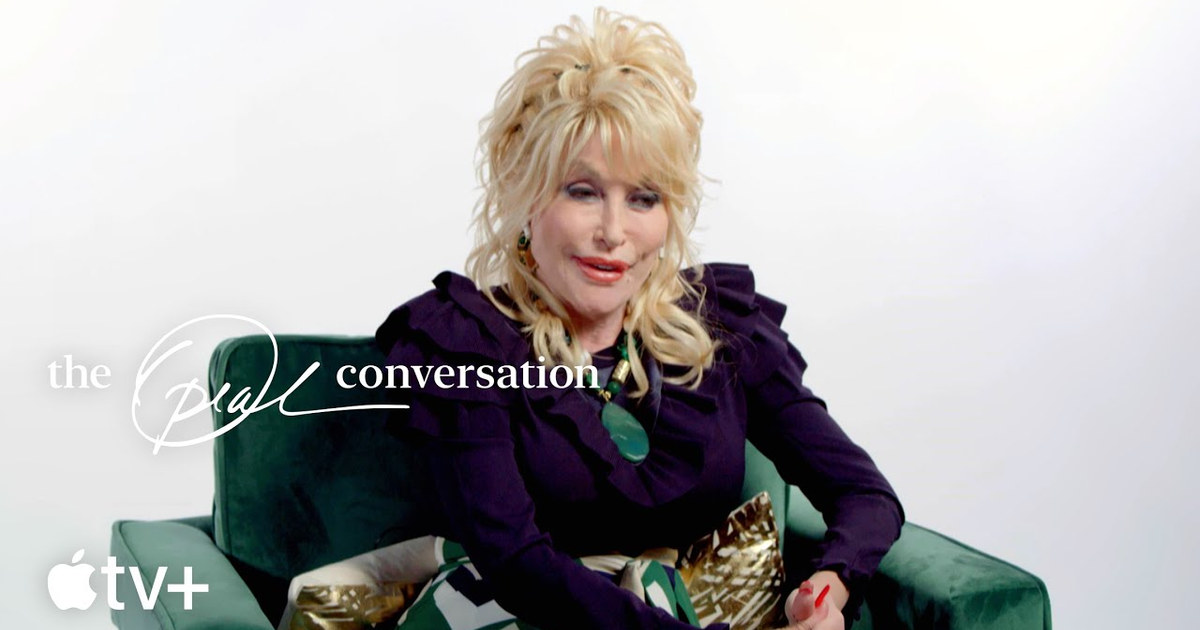
Most celebrities treat plastic surgery like a dirty secret. They dodge the question, blame it on drinking water, or give you some vague answer about "good genes." Not Dolly. When Oprah asked her point-blank how old she was when she first went under the knife, Dolly didn't even blink. "I think about 40," she said, like she was recalling the first time she tried a new shade of lipstick. "I started thinking, Oh, I need a few little nips and tucks and little pulls and sucks and whatever we get."
That right there is why Oprah pointed out that Dolly has never been reluctant to talk about it. She's not ashamed. She's not hiding. She's just telling you the truth. And that truth isn't gossip—it's a window into her self-awareness. She knows exactly who she is and what she's done to get there. And she's fine with you knowing too.
But here's where it gets even better. Dolly's philosophy on plastic surgery isn't about vanity. It's about agency. She told Oprah: "Whatever it takes to make you feel better about yourself—if you've got the nerve, and if you got the money, and you got the need for it." Notice she didn't say everyone should run out and get a facelift. She said if it makes you feel better about yourself. That's the key. She's not advocating for surgery; she's advocating for honesty about your own choices. If you want it, and you can afford it, and you've got the guts, then do it. And don't apologize.
That attitude is pure Dolly. She's never been one to let other people's opinions dictate her life. And that goes all the way back to her childhood in Sevierville, Tennessee.
You see, Dolly didn't grow up wanting to look like a movie star. She grew up wanting to look like the town tramp. Yeah, you heard that right. In her hometown, there was a woman who walked the streets in tight, short skirts, high heels, and bright red lipstick, with big blonde hair. And little Dolly thought she was the prettiest thing she'd ever seen. "I just thought she's the prettiest thing I'd ever seen," Dolly recalled. "So I kind of patterned my look after that."
Now, before you clutch your pearls, understand this: Dolly didn't know anything about the woman's profession at the time. She just saw beauty. She saw confidence. She saw someone who stood out. And that's what she wanted to be. That's where the "backwoods Barbie" comes from—a girl from the sticks who dreamed of looking like a bombshell. And she made it happen.
She also loved Frederick's of Hollywood magazines. You know, the ones with the lingerie and the glamorous models. That was her version of a fashion bible. She'd flip through those pages and imagine herself in those outfits. It wasn't an accident that she ended up with a look that screamed "over the top." It was a deliberate construction. She knew exactly what she was doing.
[[AD]]
And that brings us to the Barbara Walters moment. You remember it. Dolly once told Walters that all those men on TV who made jokes about her boobs, her wigs, her curvy figure—they were missing the point. The joke was on them. Because Dolly knew exactly what she was doing. She created that image. She used it. She marketed herself with it. And it worked. She wasn't the punchline; she was the one holding the pen.
But did the jokes hurt? Dolly admits they used to embarrass her sometimes. "It used to bother me," she said, "but that was when I knew they didn't know who all I was." That's the thing. The mockery only stung because people were reducing her to her looks. They didn't see the songwriter, the businesswoman, the actress, the philanthropist. They just saw the hair and the heels. But Dolly? She saw the whole picture. And she knew that one day, they would too.
So was she hurt by the mockery? Not really. Because she was in on the joke. She created the image as marketing, and it worked. She's not a victim; she's a strategist. And that's why she's still here, at 75, looking like a million bucks and laughing all the way to the bank.
Now, let's talk about that image in action. In 1980, Dolly starred in 9 to 5 alongside Jane Fonda and Lily Tomlin. The film, directed by Colin Higgins, was a massive hit—and it cemented Dolly as a comedic actress. Her larger-than-life look became part of her brand. She wasn't just playing Doralee Rhodes; she was embodying a version of herself. The tight skirts, the big hair, the unapologetic sexuality—it all worked because she owned it. And audiences loved her for it.


