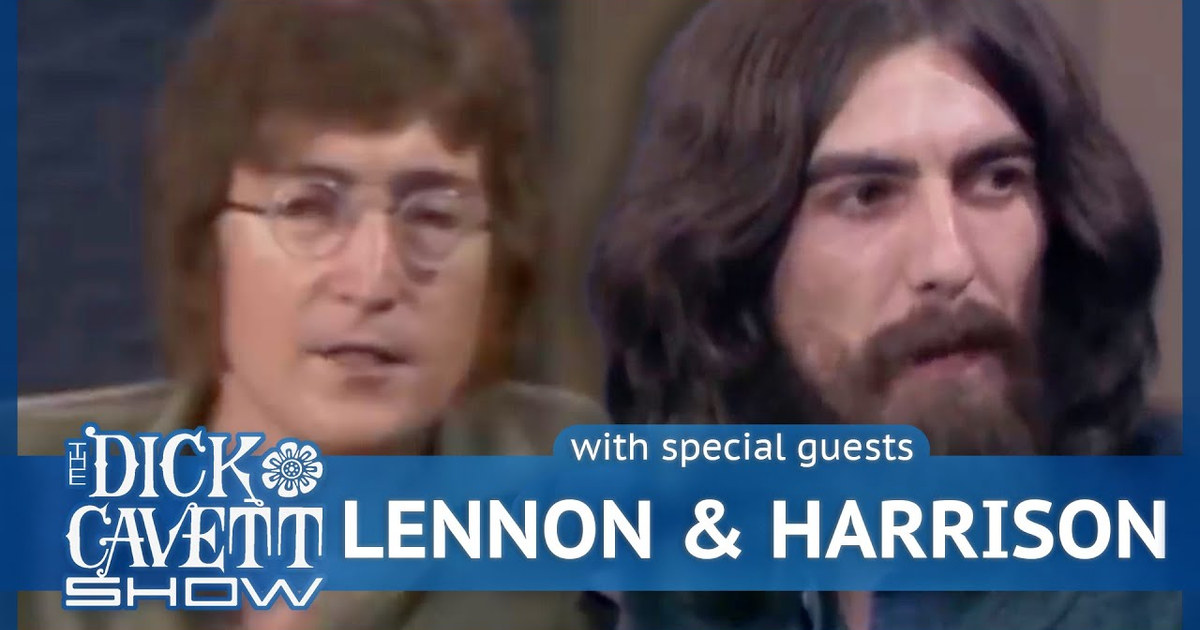
You have probably seen the trailer—or at least the viral clips—of John Lennon and Yoko Ono sitting on the Dick Cavett Show in 1971. They are sharp, defensive, and deeply human, sitting in a space that feels like a living room rather than a television set. The question that hangs over that footage, and indeed over the entire history of the 20th century’s most famous band, is simple: Was the breakup of The Beatles a tragic collapse of a cultural monolith, or was it the only way for four distinct, brilliant artists to survive?
To understand the end of the Fab Four, you have to look past the tabloid narrative of the 'Dragon Lady' and the 'wedge.' Like the dissolution of a long-term marriage, the end of The Beatles wasn't a single event; it was a slow, inevitable drift. Much like the tension captured in the final act of *Let It Be* (1970), the group had simply outgrown the container they had built for themselves.
Lennon’s own admission on the show—that he didn't want to be singing 'She Loves You' at age 50—reveals the core of the issue. They weren't just a band; they were a global phenomenon that demanded they remain frozen in time. To stay together would have been to become a caricature, a 'Marx Brothers' act trapped in a loop of their own past hits.
[[AD]]
The Burden of Being 'One of the Four'
The public obsession with the group as a singular entity is perhaps the greatest insult to their individual genius. We often treat The Beatles like a brand, similar to how we view the Avengers or a corporate entity. But as George Harrison noted in his own candid moments, the structure of the band became a cage. When you are limited to a quota of one or two songs per album, your creative growth is stifled by the very machine that made you famous.
It is a testament to their talent that they managed to produce such a staggering volume of work under those constraints. Yet, the frustration is palpable. When Lennon and Harrison speak about their post-Beatles lives, there is a sense of relief—a shedding of a skin that had become too tight. They weren't just breaking up a band; they were reclaiming their agency as songwriters.
Compare this to the trajectory of a band like Radiohead, who managed to pivot and evolve without the same level of public vitriol. The Beatles didn't have that luxury. They were the first to experience the full weight of global celebrity, and they were the first to realize that the only way to escape the gravity of that fame was to burn the ship.
[[AD]]
The Yoko Factor and the Myth of the Wedge
We have to address the elephant in the room: the persistent, sexist narrative that Yoko Ono destroyed the band. It is a narrative that persists because it is easier to blame a 'villain' than to accept that four men simply grew apart. As Lennon pointed out with biting wit, the group had problems long before Yoko arrived.
The media's obsession with the 'wedge' is a classic case of projection. Fans wanted the band to be a permanent, unchanging fixture of their youth. When that reality shattered, they needed a scapegoat. Yoko became the vessel for that disappointment, a role she has unfairly occupied for decades. In reality, her presence was likely a catalyst for Lennon’s own desire to break the cycle of the 'crazy gang.'
If you look at the work of other artists who faced similar pressures—take the internal friction of Fleetwood Mac during *Rumours* (1977)—you see that creative tension is often the engine of greatness. But there is a limit to how much tension a group can sustain before the art itself becomes a casualty of the interpersonal warfare.
[[AD]]
The Search for Freedom
Ultimately, the breakup was a quest for freedom. Lennon’s commentary on drug use and societal pressure during the Cavett interview provides a window into his mindset: he was looking for a way to live without the 'accessories' of fame. He wanted to be an artist, not a product.
This desire for total freedom is what makes their later solo work so fascinating. It was messy, it was inconsistent, but it was theirs. They were no longer filtering their ideas through the consensus of the group. They were finally allowed to be themselves, flaws and all.
[[VIDEO]]
The Beatles didn't fail because they broke up; they succeeded because they had the courage to stop. They left us with a body of work that remains the gold standard, but they also left us with a lesson on the necessity of endings. Sometimes, to grow, you have to leave the room where you became famous.
In our next installment, we’ll dive into the solo catalogs of the four—exploring how the 'quiet' one and the 'cynical' one found their voices in the silence left behind by the band. Stay tuned.


