Let’s be honest: there are two kinds of people who watch a classic sitcom scene. The first is here for the genre. They want the warm family comedy, the familiar characters, the laugh track that feels like a hug. The second is here for the craft. They want the writing, the timing, the performance, the engineering of a joke. Today, we’re looking at a scene from The Cosby Show that satisfies both — and we’re going to do it without privileging either. Because great television, like great software, works on multiple levels at once.
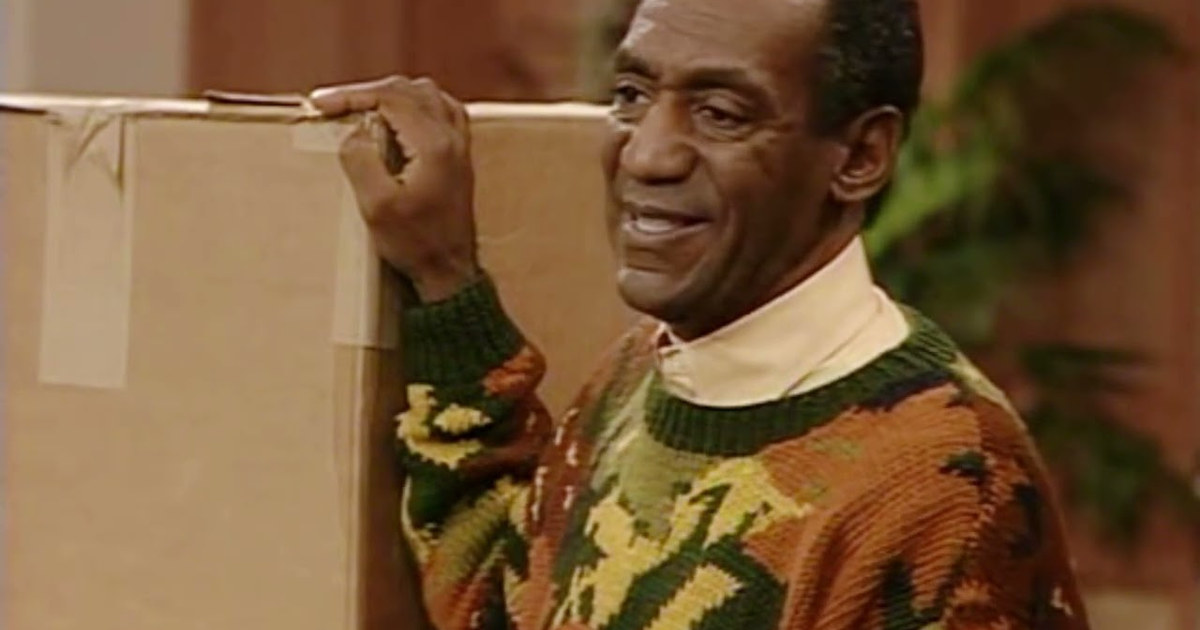
The scene in question: Cliff Huxtable (Bill Cosby) has bought a refrigerator for his son Theo’s apartment. But there’s a problem: Theo hasn’t invited his dad over yet. So Cliff, being Cliff, decides to take the refrigerator over himself — and he’s going to go inside, sit down, and tell stories if he wants to. Meanwhile, Theo’s roommates Danny and Glenn have built a ‘beverage transport system’ that brings drinks from the supermarket next door. It’s a perfect storm of sitcom absurdity.
On the surface, it’s a simple domestic comedy: dad invades son’s space, hilarity ensues. But beneath that, there’s a tightly engineered machine. Every line, every pause, every reaction is calibrated. And that’s what makes this scene a goldmine for both the genre fan and the craft nerd.
[[AD]]
For the Genre Fan: The Comfort of the Familiar
If you’re here for the genre, this scene delivers exactly what you came for. It’s the classic Cosby Show formula: a loving but overbearing father, a son trying to assert independence, and a situation that spirals into comedy. The refrigerator is a physical prop that generates laughs — it’s heavy, it’s awkward, and it’s a symbol of parental involvement. The roommates’ invention is pure 80s sitcom whimsy: two engineering students building a machine to avoid walking to the store. The live audience laughter is a character in itself, guiding your emotional response. It’s comfort food, and it’s delicious.
But here’s the thing: even if you’re just here for the laughs, you’re also getting a masterclass in character. Cliff isn’t just a dad; he’s a man who loves the sound of his own voice. His monologue about telling stories — 'I will talk for a week, and if they run, I will run beside them telling my story' — is both hilarious and revealing. It’s a moment of self-aware absurdity that makes the character feel real. You laugh, but you also understand him.
Then there’s the dynamic between Cliff and Theo. Theo is trying to be an adult, living with roommates, building inventions. But Cliff treats him like a kid, barging in with a refrigerator and a lecture. It’s a classic generational clash, and it’s played for laughs. The genre fan eats this up because it’s relatable. We’ve all had parents who overstay their welcome — or been the parent who can’t let go.
[[AD]]
For the Craft Nerd: The Engineering of a Joke
Now, let’s switch hats. If you’re here for the craft, this scene is a case study in comedic engineering. Start with the setup: Cliff and Clair (his wife) discuss the refrigerator. Clair points out that Theo hasn’t invited Cliff over because of his 'stories.' This is the inciting incident. It plants the seed: Cliff is going to tell a story. Then we cut to Theo’s apartment, where the roommates show off their beverage transport system. This is a B-plot that raises the absurdity. Then Cliff arrives. The setup is complete.
Next, the escalation. Cliff enters, sits down, and immediately launches into a monologue about telling stories. But notice how it’s structured. It starts as a defense: 'I'm paying for the space.' Then it becomes a threat: 'If they run, I will run beside them.' Then it becomes a philosophical statement: 'I'm telling people about life. I'm trying to give them a shortcut.' Finally, it becomes a declaration of self-love: 'If nobody's there, I'll keep talking. Why? Because I love myself and I know what I'm saying.' This is a classic comedic crescendo. Each line builds on the last, raising the stakes and the absurdity.
The performance is equally engineered. Bill Cosby’s delivery is a masterclass in timing. He uses pauses like a programmer uses semicolons — to control the flow. His facial expressions, his physicality, the way he leans in — it’s all calculated. And the roommates’ reactions? They’re the perfect audience surrogate, reacting with confusion and amusement. The laugh track amplifies the jokes, but it never feels forced because the writing and performance earn it.
[[AD]]
The Synthesis: Where Genre and Craft Meet
So we have the genre fan, who loves the warmth and the familiarity. And we have the craft nerd, who loves the writing and the performance. But the real magic is that these two audiences aren’t separate. The craft is what makes the genre work. The writing is what makes the characters feel real. The performance is what makes the laughs land. Without the engineering, the comfort would be empty. Without the warmth, the engineering would be cold.
[[VIDEO]]
Take the refrigerator itself. For the genre fan, it’s a funny prop. For the craft nerd, it’s a symbol. It represents Cliff’s intrusion, his love, his need to be needed. It’s a physical manifestation of the theme: parents can’t let go, and kids can’t fully escape. The beverage transport system is the same. For the genre fan, it’s a silly invention. For the craft nerd, it’s a contrast: the younger generation uses technology to avoid effort, while the older generation uses effort to assert control. It’s a beautiful symmetry.
And then there’s the toast: 'May you two, whatever you have, rub off onto whatever he doesn’t.' It’s a joke, but it’s also a blessing. Cliff is acknowledging that Theo has gaps, and hoping his roommates fill them. It’s a moment of genuine warmth buried in comedy. The genre fan feels it. The craft nerd appreciates the construction.
So the next time you watch this scene, try to see it through both lenses. Watch it as a genre fan: laugh at the jokes, enjoy the family dynamics, bask in the nostalgia. Then watch it as a craft nerd: notice the structure, the pacing, the performance. You’ll find that the two experiences enrich each other. The craft makes the genre more satisfying. The genre gives the craft a purpose.
[[AD]]
That’s the beauty of great television. It’s not just entertainment; it’s engineering with a soul. And this scene from The Cosby Show is a prime example. It’s a machine designed to make you laugh, but it’s also a machine designed to make you feel. And it works on both levels.
Next time, we’ll look at another classic sitcom moment that satisfies both the genre fan and the craft nerd. Until then, keep watching, keep analyzing, and remember: every laugh is a line of code executed perfectly.


