Part 4
The Strongest Case Against Me — and Why I Still Land Where I Land
Let me give the other side its full due, because it deserves it. If you walked away from this episode furious at Catfish for platforming Courtney — an unverified medium — in front of a grieving Kayla, you are not being unreasonable. You are being responsible. The show has a duty of care to its subjects, and the single most dangerous thing you can do to a person in pain is hand them a voice that claims to speak for the dead. That is how vulnerable people get taken. That is how the next Courtney — the one who does ask for money — gets a blueprint.
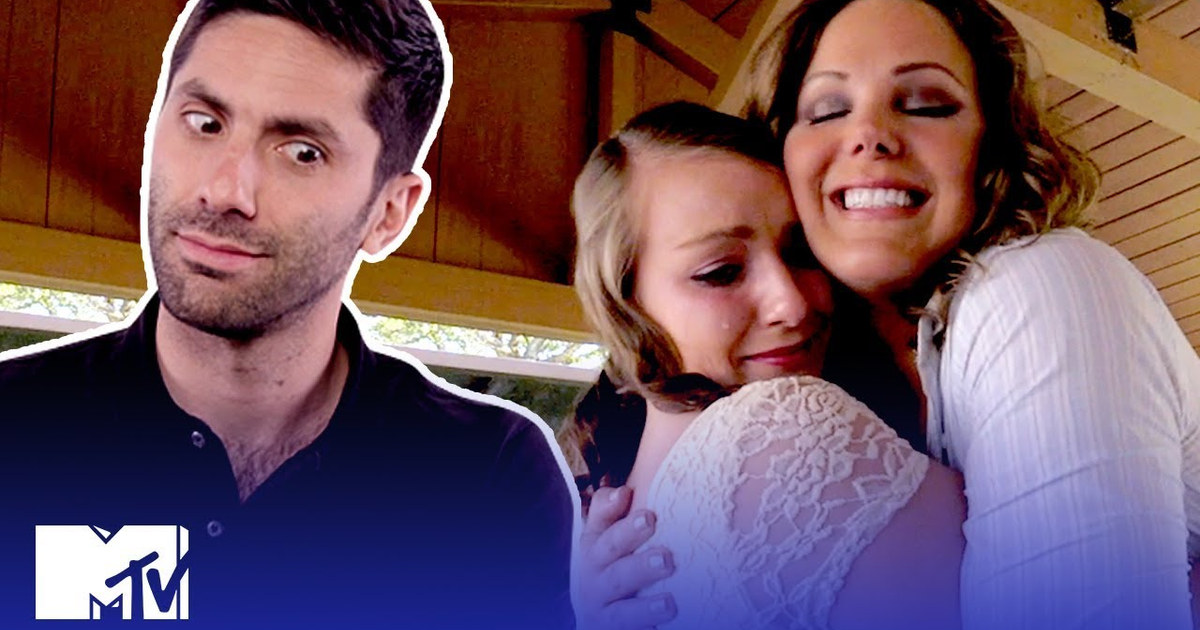
And notice the details that make the objection sharper, not weaker. Courtney refused to meet in person for years. Years. The producers knew that. They had it on tape. Nev Schulman and Max Joseph built an entire franchise — from the 2010 documentary Catfish, through twelve seasons on MTV — on the premise that the person behind the profile is hiding something. Then they aired a segment where the hiding was the story, and they let it stand without a verdict. If you are a parent watching this with a teenager, you have every right to be angry. The episode gives cover to the next Courtney who does want something.
Then there is the craft objection, and it is not small. Catfish is, at its best, a debunking machine. The 2010 film ran 87 minutes and ended with Nev confronting a woman who had fabricated an entire life. The MTV series turned that into a formula: suspicion, investigation, confrontation, catharsis. By refusing to debunk here, the episode leaves millions of viewers with a paranormal claim presented without a label. No follow-up investigation. No revisit. MTV never came back to Courtney. That is a real editorial choice with real consequences, and anyone who tells you it isn't is lying to you.
So here is where I plant my flag. The alternative — crushing Kayla's experience on camera to protect an abstract future victim — would have been its own kind of cruelty. And the reunion shows no harm followed. Kayla is at peace. Courtney stepped back. Nobody was scammed out of money. The duty-of-care argument is real, but it is about hypotheticals. The benefit is about a specific person who says she got better.
That is the asymmetry that decides it for me. A hypothetical victim is not nothing. But a real woman saying 'I got my peace back' is something. And the show did not pretend Courtney was proven. It let Kayla say, on camera, that her mind and her heart were fighting. It let Shannon, Kayla's mother, sit in the room and ask hard questions. It let Courtney say she Googled Frankie to confirm he existed — which is exactly what a skeptic would do. The episode did not hide the seams. It just refused to rip them open for a cheap verdict.
The consensus wants Catfish to be a lie detector. This episode insists it can also be a grief counselor. Both can be true, and the show is richer for trying. That is the takeaway. Not that Courtney is real. Not that mediums are real. That a franchise built on catching liars found a story where the lie was never the point — and had the nerve to sit with that instead of solving it.
Next time, we look at another Catfish episode where the consensus read falls apart on a second watch — or we zoom out and rank reality TV's most contested episodes, the ones that still split the room years later. Either way, bring your arguments. I'll bring mine.


