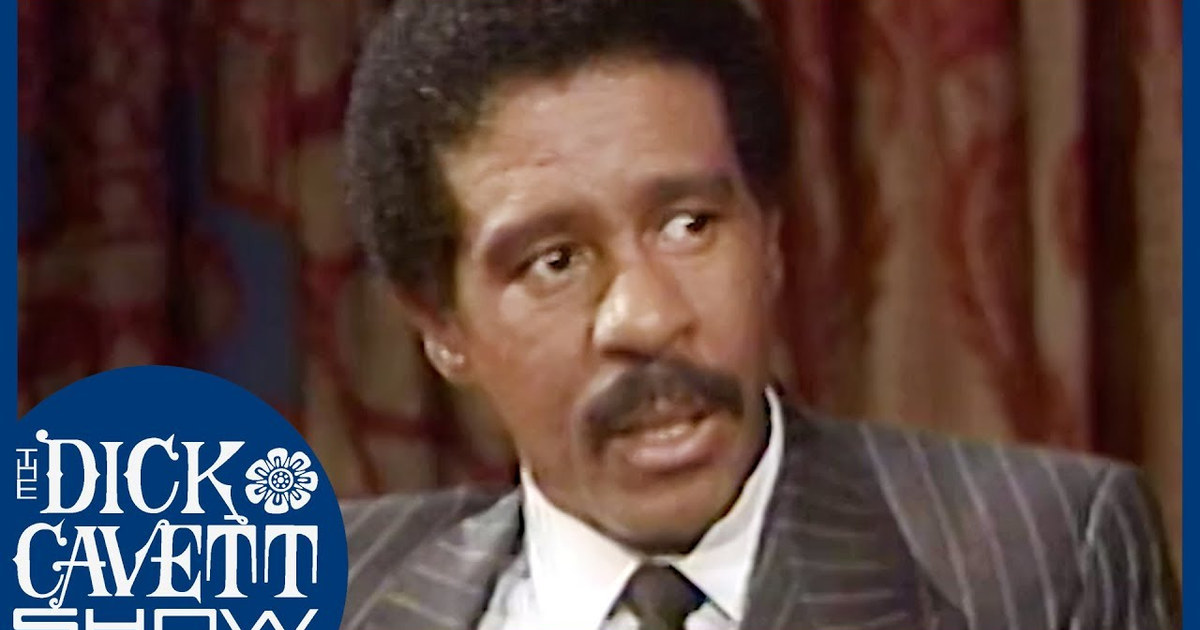
You have probably seen the viral clip: Richard Pryor, sharp-witted and weary, sitting across from Dick Cavett in 1986. The internet loves it for the tension, for the way Pryor dismantles Cavett’s clumsy attempt to define what a 'Black voice' should sound like. But beyond the meme-worthy awkwardness, the exchange poses a fundamental question that still haunts Hollywood today: Can a writer truly capture a life they haven’t lived, or are they just projecting a caricature onto the page?
Pryor’s answer in that moment was as nuanced as his comedy. He wasn't interested in a lecture on race; he was interested in the craft of being human. When a writer approaches a character as a person first—rather than a collection of racial signifiers—the truth emerges naturally. When they try to 'write Black,' they end up with 'jive turkeys' and forced vernacular. It’s the difference between the lived experience of a character like the one in Barry Jenkins’ 'Moonlight' (2016) and the hollow, performative dialogue that plagued so many mid-century scripts.
[[AD]]
The Trap of the 'Black Voice'
Pryor’s frustration with Cavett wasn't just about a bad question; it was about the exhaustion of being expected to perform an identity for the comfort of the status quo. He noted that when writers try to force a specific 'Black sound,' it feels ignorant because it lacks the fluidity of actual human interaction. It’s a bit like the difference between the authentic, rhythmic dialogue in Spike Lee’s 'Do the Right Thing' (1989) and the sanitized, 'safe' versions of urban life found in lesser studio comedies of the era.
The danger, as Pryor pointed out, is when the industry treats identity as a costume. If you write a character based on a stereotype, you aren't writing a person; you're writing a prop. The best writers—the ones Pryor respected—understood that vernacular isn't a monolith. It’s situational, it’s regional, and it’s deeply personal. It’s not something you can just sprinkle onto a page like seasoning to make a script feel 'authentic.'
[[AD]]
Moving Beyond the Laughter
The 1986 interview also serves as a bridge to Pryor’s then-new film, 'Jo Jo Dancer, Your Life Is Calling.' Pryor was clear: this wasn't another 'Stir Crazy' (1980). It was a 'thinking movie.' By pivoting from the broad, slapstick comedy that made him a household name to the raw, biographical drama of his own life, Pryor was demanding that his audience see him as a complete human being, not just a vessel for their entertainment.
This transition mirrors the struggle of many comedians who find themselves trapped by their own success. Like Charlie Chaplin in 'Limelight' (1952), Pryor was grappling with the cost of the mask. He was at the peak of his career, yet he spoke openly about the lack of self-esteem that often hides behind the spotlight. It’s a sobering reminder that the people who make us laugh the hardest are often the ones carrying the heaviest weight.
[[AD]]
The Torch and the Legacy
Pryor acknowledged the lineage he stood in, citing Dick Gregory as the one who made his own path possible. It’s a testament to the idea that progress isn't a straight line; it’s a relay race. He recognized that the climate for young comics had changed because he and his peers had 'paid the dues' that no one else had to pay before them. It’s a sentiment that echoes through the work of modern creators like Donald Glover, who similarly refuse to be boxed into a single genre.
[[VIDEO]]
Ultimately, Pryor’s message remains a challenge to the industry: stop trying to write 'for' a demographic and start writing for the human condition. When we strip away the labels and the expectations of how a person 'should' sound, we are left with the only thing that matters in storytelling: the truth. Whether it’s in a stand-up set or a screenplay, the audience can always tell when the emotion is manufactured.
In our next installment, we’ll dive deeper into the specific cinematic techniques Pryor used in 'Jo Jo Dancer' to translate his internal trauma into visual language. Stay tuned.


