Part 1
The Artesia General Hospital case is not just a true-crime story; it's a masterclass in how visual and audio evidence can expose a lie when the lighting is flat, the framing is chaotic, and the sound is nothing but a toilet flushing on a loop. I've shot second-unit on enough procedurals to know that the truth rarely arrives with a dramatic score. It arrives in the mundane details: a heavy trash can, a baggy sweatshirt, a mother's trembling voice. This is the night a 19-year-old cheerleader walked into an ER with back pain and walked out detained for the death of a full-term baby. Let's break down the scene, shot by shot.
The Thesis: In Real Life, the Evidence Is in the Wide Shots
In film, we manipulate light to guide your eye. In a hospital ER, the fluorescent overheads are brutally honest. They don't flatter, they don't hide. And on January 27, 2023, around midnight, those lights exposed a story that the patient, 19-year-old Alexis Avila, was desperately trying to keep in the shadows. She and her mother, Rosa, walked into Artesia General Hospital in Artesia, New Mexico. The complaint: back pain. The assumption: a cheerleading injury. But the camera—or in this case, the hospital's policy and a pregnancy test—was about to capture something far more tragic.
[[AD]]
Scene 1: The Bathroom Door – A 20-Minute Take with No Cuts
Let's set the scene. It's 1:39 a.m. Alexis tells a nurse she needs to use the bathroom. She enters. The door closes. For the next 20 minutes, the only audio is the repeated sound of a toilet flushing. In cinematography, we call this a 'long take'—a continuous shot that builds tension through duration. But here, the tension isn't manufactured; it's real. The mother grows worried at 1:49 a.m. Staff hear the flushing again and again. They knock. Alexis claims she's having difficulty going. At 1:56 a.m., they threaten to unlock the door. She opens it and walks out 'as if nothing had happened.' But the camera—the human eye—catches the detail: drops of blood on the floor behind her. That's the insert shot that changes everything.
A hospital employee enters the bathroom. Blood on the floor, walls, and toilet. The housekeeper, Lila, is called to clean. She takes out the trash can. It feels heavier than expected. She looks inside. Under a clean liner, she finds a tied-up trash bag. Inside: a baby. The housekeeper calls for help. Doctors rush the infant to a room, but life-saving measures fail. The baby is dead. Full term. The housekeeper is visibly shaken, in tears. The staff gather around her. This is the emotional core of the scene—the collateral damage of a hidden pregnancy.
[[AD]]
Scene 2: The Charge Nurse's Monologue – Exposition Done Right
When Artesia police officers arrive, we get a masterclass in expository dialogue from the charge nurse. She lays it out: 'She was having back pain. We did a pregnancy test. Showed positive. She was denying that she had sex. She went to the bathroom. She was in there for quite a while. We kept knocking. Finally, we got her to open the door and there was blood and [__] everywhere. She was cleaning it up.' The nurse continues: 'So we took her back to the room and then I was afraid that she knew she was pregnant, she had done something to herself.' The doctor starts a vaginal exam. The housekeeper finds the baby in the trash. The nurse's conclusion: 'The baby's dead. We have him in trauma two, but she killed the kid.'
The officer asks how old the baby was. The nurse: 'I don't know. It's full term. She just had it. She had it in the bathroom is what happened. And then whatever she did, I don't know. She's going to lie. She wouldn't tell us she was pregnant. She's been lying the whole time.' This is the kind of raw, unscripted testimony that no screenwriter could improve. The nurse is not just delivering information; she's delivering a verdict. And the camera—the body cam—captures every word.
[[AD]]
Scene 3: The Mother's Confrontation – A Close-Up of Denial
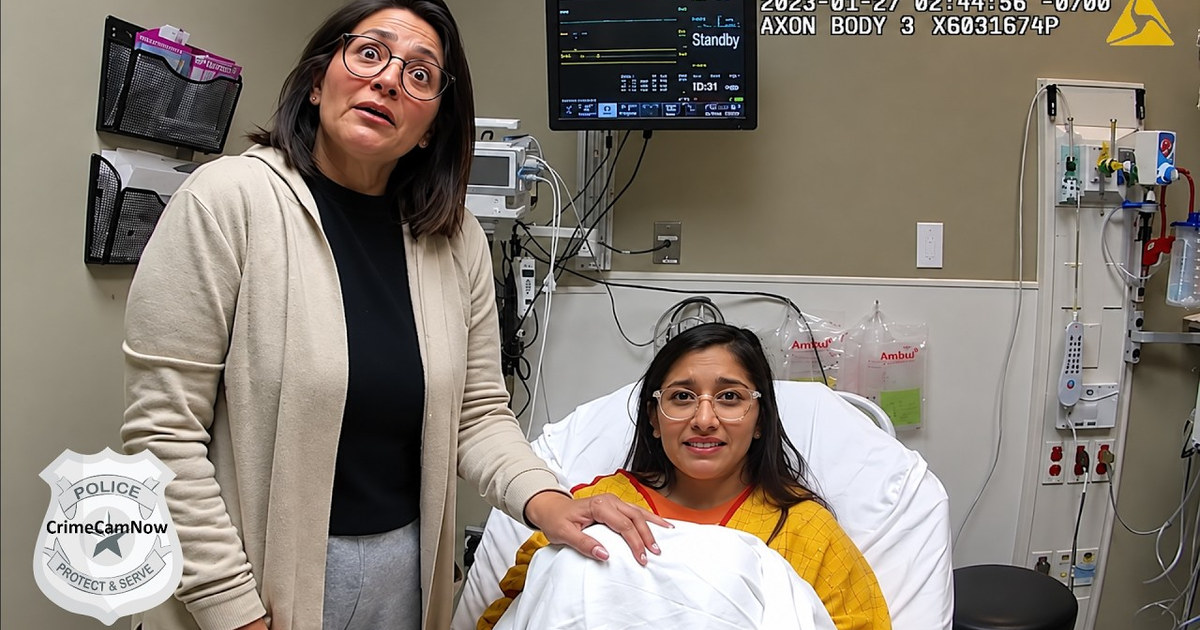
The most gut-wrenching scene comes when the charge nurse and officer go into the room to tell Alexis and her mother what's happening. The mother, Rosa, is already suspicious. She says, 'Lexi, I told you about this.' Alexis replies, 'I was scared. It was not crying or anything.' The mother: 'What did you do to it?' The officer stops them. 'Okay, stop right here. Number one priority is she just had a baby. I don't know if she's delivered the placenta. She's bleeding significantly.' The medical priority is clear: stabilize Alexis and transfer her to Lovelace Regional Hospital. But the legal priority is also clear: she is detained. Not under arrest, but not free to leave. The officer explains, 'One of us will be in here the whole time with you.'
The mother asks, 'Is she going to get taped after like she's released?' The officer clarifies that the district attorney will decide charges after the autopsy. The baby will be taken for autopsy. The mother is listed as next of kin for the deceased—the grandmother. The boyfriend is present. The officer asks if he is the father. He says yes. The mother explains Alexis's medical history: back pain, hip problems from a childhood injury when her ex-husband beat her while pregnant. She says, 'I honestly didn't know she was pregnant. I just thought like she said I had back pain or my hips are hurting me.' The mother had been taking her to a chiropractor. Alexis was a cheerleader, active, a senior in high school. The boyfriend says they've been together almost two years. The officer asks if they have questions. They don't. The scene ends with the mother asking, 'Should I like get a lawyer for her?' The officer: 'You can, that's your choice. I can't tell you what to do.'


