You know that feeling when you're watching a movie and something just feels... off? It’s not that the dialogue is bad or the lighting is weird. It’s the actor. They’re standing in a way that no human being has ever stood in the history of the species. They’re gesturing like they’re trying to signal a plane in distress. You can’t quite put your finger on it, but your brain is screaming, 'That’s not a person, that’s an amateur.'
It’s a specific kind of uncanny valley. It’s not about the actor being 'bad' in the traditional sense—they might be hitting their marks and saying their lines—but they lack that elusive, magical quality of relaxation. They haven't mastered the art of being a human being under imaginary circumstances. And honestly? It’s harder than it looks.
I’ve spent years obsessing over why certain performances stick in your gut while others slide right off. It comes down to a fundamental tension between the stage and the screen, a divide that even the greatest actors struggle to bridge. If you’ve ever wondered why a legendary stage actor looks like a frantic mess when they step in front of a camera, or why a movie star looks like a statue on a Broadway stage, you’re about to get the answer.
[[AD]]
The Problem with Your Hands
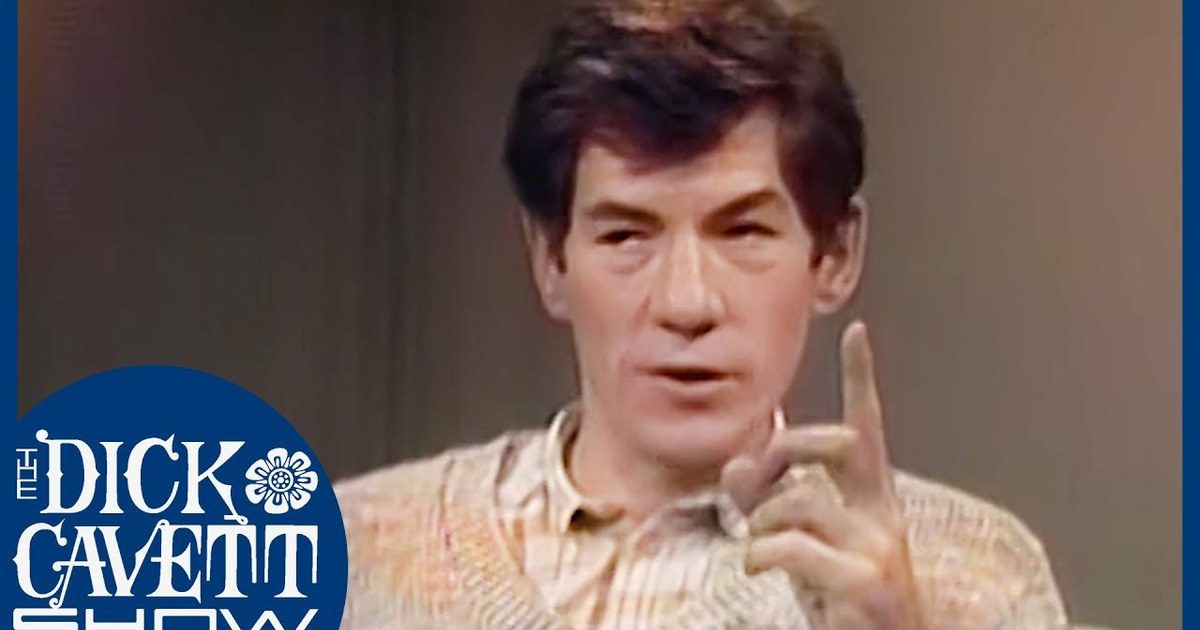
Let’s talk about the elephant in the room: your hands. There is a classic piece of acting advice that says, 'When you get on stage, the first thing you’ll think is that everyone is looking at your hands.' The follow-up advice? 'Forget it, they aren't.' But here’s the secret: the audience might not be looking at your hands, but they are feeling the energy you’re putting into them.
The amateur actor is constantly trying to 'do' something with their hands because they feel naked. They’re twitching, they’re fidgeting, they’re trying to fill the space. A pro? They know that relaxation is a technical skill. It’s about having total control over every muscle, every thought, and every impulse. When an actor is truly relaxed, they aren't just standing there—they are inhabiting a character’s intention.
If you were to walk onto a stage and see a great actor in the middle of a scene, you’d think they were acting strangely. They are 'playing.' They are operating on a level of focus that makes them seem almost alien to the casual observer. That’s the trick: it looks natural to the audience, but it’s actually a highly constructed, artificial state of being.
[[AD]]
Stage vs. Screen: The Distance Dilemma
The biggest trap for actors is forgetting where the audience is. On stage, the audience sees your whole body. They are objective observers. You have to be aware of your feet, your posture, and your presence from twenty rows back. You’re painting with a broad brush because the canvas is massive.
Then you have the camera. The camera is an intruder. It’s sitting right in your face, catching the twitch of an eyelid or the slight shift in your breathing. In film, you don't need to 'project' your emotions; you just need to think them. If you try to 'act' for a camera the way you act for a theater audience, you’re going to look like you’re overcompensating. You’re going to look like an amateur.
This is why so many theater legends struggle on screen. They’re used to filling a room with their energy, but the camera doesn't want that. It wants the truth. It wants the ambiguity. It wants the stuff you’re trying to hide.
[[AD]]
The Fashion of Reality
Here’s the kicker: 'Reality' in acting is a moving target. If you look at recordings of actors from the 19th century, they look ridiculous to us today. They were grand, booming, and theatrical. But to their audiences, they were the pinnacle of truth. They were reflecting the certainties of their age.
Today, our reality is defined by the camera. We value the subtle, the twitchy, the nervous, and the ambiguous. We don't want the hero who stands tall and delivers a monologue; we want the person who looks away when they’re lying. We want the messiness of human behavior.
Great acting isn't about being 'real' in a vacuum. It’s about being real in a way that resonates with the specific moment in history you’re living in. It’s about understanding that the camera is a lie-detector test, and your only job is to pass it.
[[VIDEO]]
What’s Next?
We’ve only scratched the surface of how the greats build their performances from the ground up. In the next part of this series, we’re going to look at the 'Method' and why the obsession with internalizing emotion might be the most misunderstood concept in Hollywood history. Stay tuned.
Remember: if you don't know what to do with your hands, just put them in your pockets—but do it with intention.


