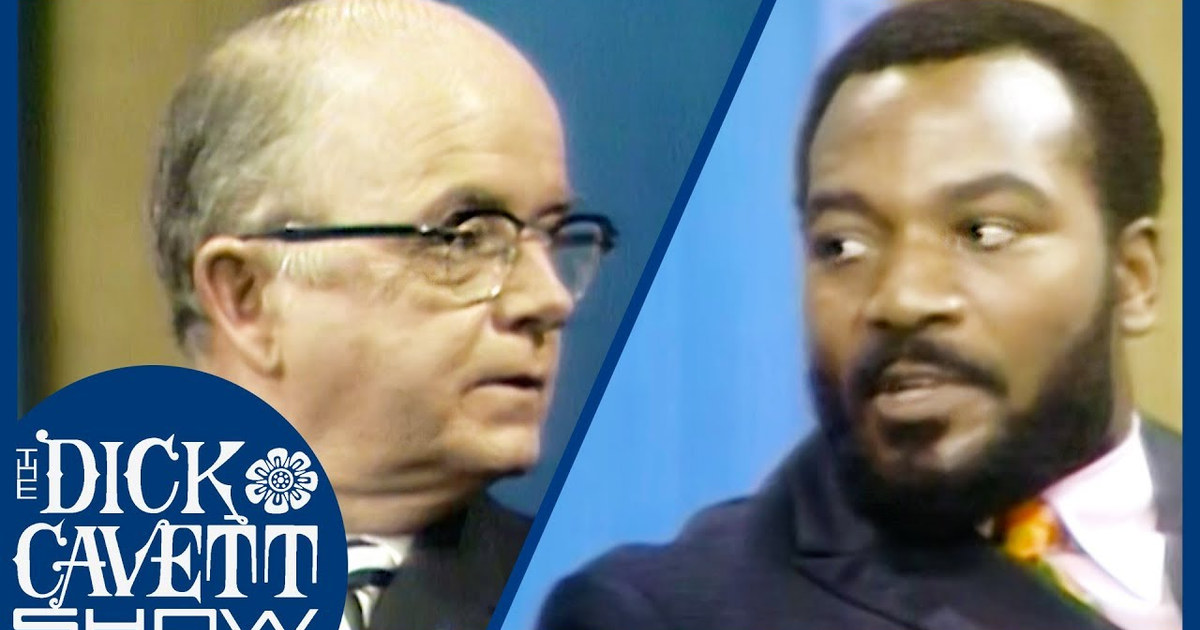
If you’re here because of that viral clip—you know the one, where the tension in the room feels like it’s about to snap the film stock—you’re likely looking for the 'why.' Why did this happen? Why does it still feel so visceral fifty years later? For the genre-focused viewer, this is a high-stakes drama about race and power in the American South. For the craft-focused viewer, it’s a masterclass in the engineering of a televised confrontation. Let’s pull back the curtain on how this moment was built.
The 1970 encounter between Georgia Governor Lester Maddox and NFL legend Jim Brown isn't just a political interview; it’s a structural collision. As someone who spends more time looking at the logic of systems than the surface of the screen, I see this as a stress test. You have two opposing belief systems—one rooted in rigid, traditionalist hierarchy and the other in a radical, modernizing demand for equity—forced into a confined, artificial space.
The brilliance of this footage lies in its lack of polish. In an era where media is hyper-curated, this is raw, unbuffered data. The pacing is erratic, the interruptions are frequent, and the subtext is louder than the dialogue. It’s a perfect example of what happens when you remove the safety rails from a broadcast and let two powerful, diametrically opposed algorithms of thought run until they crash.
[[AD]]
The Engineering of Ideology
Maddox operates on a closed-loop logic. His definition of 'segregation' as a form of 'racial pride' is a fascinating, if abhorrent, piece of rhetorical engineering. He attempts to reframe a systemic exclusion as a personal, moral choice. It’s a classic defensive maneuver: take the criticism, strip it of its societal context, and re-insert it into a framework of individual liberty. It’s logically consistent within his own internal architecture, even if that architecture is built on a foundation of sand.
Jim Brown, conversely, acts as the system debugger. He isn't interested in Maddox’s internal definitions; he’s interested in the output. He points to the economic reality, the history of labor, and the hypocrisy of the 'humble slave' archetype. Brown’s strategy is to force Maddox to acknowledge the external variables—the laws of the land, the reality of the Vietnam era, and the shifting demographics of Atlanta—that Maddox wants to ignore.
The Craft of the Cut and Thrust
From a production standpoint, the tension is maintained through the refusal to edit. We hear the crosstalk, the fumbling for words, and the genuine, unscripted irritation. Modern television would have cut away to a commercial or a moderator’s summary to 'smooth out' the experience. Here, the lack of mediation is the point. It forces the viewer to sit in the discomfort of the disagreement, which is exactly where the truth of the situation resides.
[[AD]]
The Performance of Power
There is a fascinating moment regarding the presence of security. Maddox, ever the performer, tries to frame the presence of his state trooper as a matter of standard protocol, while Brown frames it as a symptom of fear. It’s a classic power play. Maddox is trying to maintain the 'Governor' persona, while Brown is trying to expose the man behind the title. It’s a battle over the narrative frame, and both men know that whoever controls the frame controls the audience’s perception.
This is where the 'craft' of the interview shines. It’s not about who 'wins' the argument; it’s about watching the machinery of their respective worldviews grind against each other. Maddox is the legacy system—trying to maintain compatibility with a past that no longer exists. Brown is the new update—demanding that the system recognize the reality of the present.
Spoiler alert: If you’re looking for a resolution, you won't find one. The beauty of this footage is that it ends exactly as it began: with two people speaking entirely different languages. There is no synthesis, only the raw, unfiltered record of a moment where the divide was laid bare for the entire country to see.
[[VIDEO]]
Ultimately, this footage satisfies both the genre-seeker and the craft-enthusiast. It’s a high-stakes, high-drama clash of titans, but it’s also a masterclass in how rhetoric, performance, and media environment interact. It’s a reminder that even in the most heated moments, there is a structure to the chaos.
Next time, we’ll dive into the technical side of how these televised debates were lit and staged, and why the 'black box' of the television studio was the perfect environment for these kinds of cultural explosions. Stay tuned.


