Part 2
So here's the first piece of the consensus I want to dismantle: the idea that Jessica's six months outweigh Charlie's ten years. Elizabeth said it herself: 'I've been with him for 10 years. We have a son together.' Ten years of commitment. A child. A shared life. Charlie didn't just cheat — he dismantled a family. He looked at his son and decided his happiness mattered more. He looked at Elizabeth and decided she was disposable. And then he let Jessica take the fall. That's not a love story. That's a coward's exit.
The internet wants a villain it can understand. A sister who stabs you in the back is a villain you can grasp. A man who quietly erodes a decade-long relationship while playing the romantic hero is harder to hate because he's boring. He's not dramatic. He's not screaming on a stage. He's just a guy who decided his happiness was worth more than his family. That's the real betrayal. That's the one we should be talking about. And that's what we're going to dig into next.
Charlie Had Ten Years, a Child, and Every Chance to Leave — He Chose Betrayal
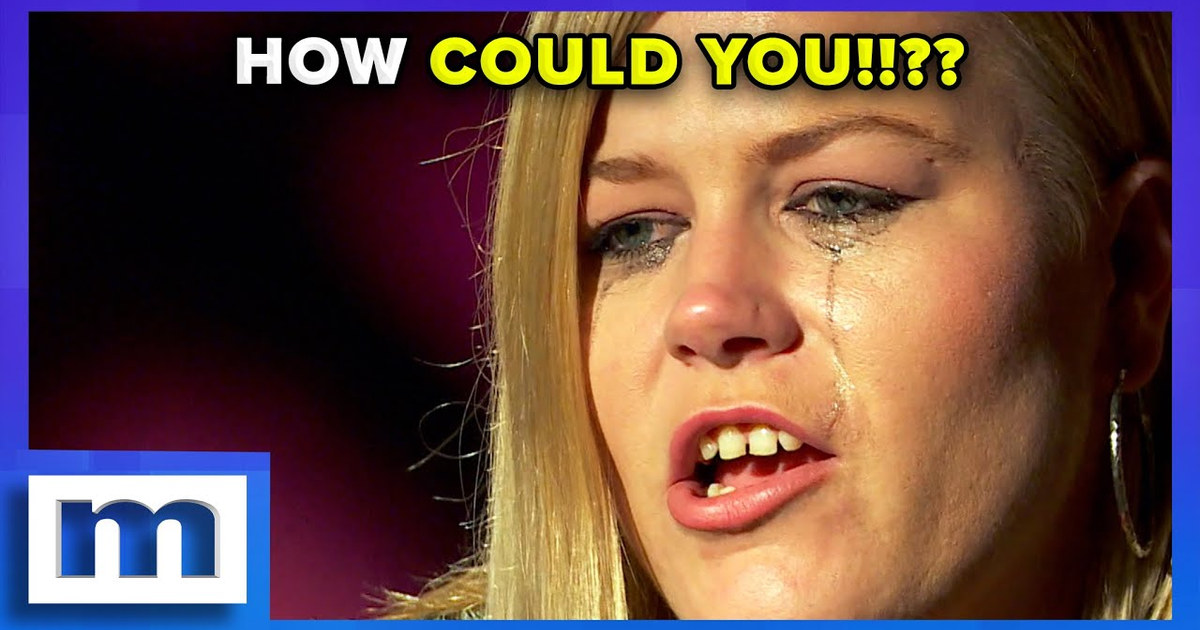
Let’s get one thing straight: this is not a sister-versus-sister story. That’s the narrative the Maury show sold us — two women clawing at each other while the audience gasps. But the real story is about a man who had a decade to do the right thing and chose to do the wrong thing instead. Every single time.
Charlie wasn’t trapped. He wasn’t cornered. He had ten years with Elizabeth. They share a son. He had every off-ramp a person could ask for — and he took none of them. Instead, he started sleeping with her sister. That’s not a mistake. That’s a decision. A series of decisions, actually, each one more cowardly than the last.
[[AD]]
Jessica and Charlie were together for six months. Elizabeth and Charlie were together for ten years. Do the math. That’s not a love story; that’s a hostile takeover. And Charlie didn’t stumble into it. He built a runway.
Dr. Jim, the therapist brought in for the backstage counseling session, nailed it: Charlie “went over there complaining about his relationship with you, which is the gateway drug.” That’s the grooming of an affair. He didn’t just fall into Jessica’s arms. He walked over, opened up about his unhappy relationship, and let intimacy do the rest. That’s not passion. That’s premeditation.
[[VIDEO]]
And here’s the part that really gets me: Charlie didn’t even have the guts to tell Elizabeth himself. He pre-taped a segment. He let Jessica do the live reveal. He sat in a chair and said, “I deserve to be happy.” Meanwhile, two sisters tore each other apart on national television. He didn’t just betray his partner — he detonated a family structure. Elizabeth and Charlie have a son. Dr. Jim said it plainly: “What matters most in all of this is your child.” Charlie didn’t just break a heart; he broke a home.
Compare this to how Maury typically handles men in these situations. The show often gives men a platform to explain themselves — to justify, to deflect, to cry. Women are left to react. It’s a double standard baked into daytime TV production. The man gets a chair and a microphone; the women get tears and a audience chanting “Jerry! Jerry!” — well, wrong show, but you get it. Charlie got to say his piece via pre-tape, then show up live and sit there while the women fought. That’s not accountability. That’s a staged spectacle that lets him off the hook.
But the strongest point comes from Dr. Jim, and it’s the one that should be tattooed on Jessica’s forehead: “If he’ll sleep with his 10-year girlfriend’s sister, he will ultimately do this to you.” That’s not a prediction. That’s a pattern. Charlie isn’t a prize to be won. He’s the architect of the whole disaster. And Jessica? She’s not the villain. She’s the next victim.
Maury himself — the king of daytime chaos — was the voice of reason. He looked Charlie in the eye and said: “You don’t deserve to be happy. You deserve to be honorable.” That’s how clear the moral math is. Even the man who built a career on paternity tests and screaming audiences knew exactly who was at fault. And it wasn’t the sisters.
Charlie had ten years. He had a son. He had every chance to leave with dignity. Instead, he chose betrayal. And then he chose to call it happiness. That’s not a love story. That’s a coward’s exit strategy.
The Strongest Counter-Argument: Jessica Still Knew Better — And That Matters
Let’s be fair to the other side. If you’ve been nodding along with my defense of Jessica, you need to sit with the hardest fact in this whole saga: Jessica is not a passive victim of Charlie’s charm. She is an adult. She watched her sister Elizabeth cry over Charlie’s disappearances. She sat backstage while Elizabeth told Maury, “I’m almost 85% sure that he’s going with Jessica.” And Jessica still chose to walk out and drop the bomb on national television. That’s not just betrayal. That’s choreography.
The consensus says Jessica is the villain. And this is their best evidence. Not the affair itself — affairs happen, people are messy — but the timing, the staging, the cruelty of the reveal. Jessica didn’t just sleep with Charlie. She waited until the show. She let Elizabeth walk out thinking she had a sister, then detonated the truth in front of Maury’s audience. That’s not a confession. That’s a performance.


