Part 4
But here’s the thing: the same deadpan that kills in interviews also powers his scripted roles, and the camera grammar there is a different problem entirely. Take The Nice Guys (2016), directed by Shane Black. Gosling plays Holland March, a bumbling private eye, and the comedy comes from wide lenses that exaggerate his physical awkwardness. Then there’s The Fall Guy (2024), where he’s a stuntman caught in a conspiracy. Director David Leitch shoots him in long takes that let the silence stretch, so Gosling’s reactions become the punchline. In both films, he’s not trying to be funny — he’s just existing in a frame that’s been designed to make his stillness hilarious. That’s a different beast from the interview clips, and it’s worth studying on its own.
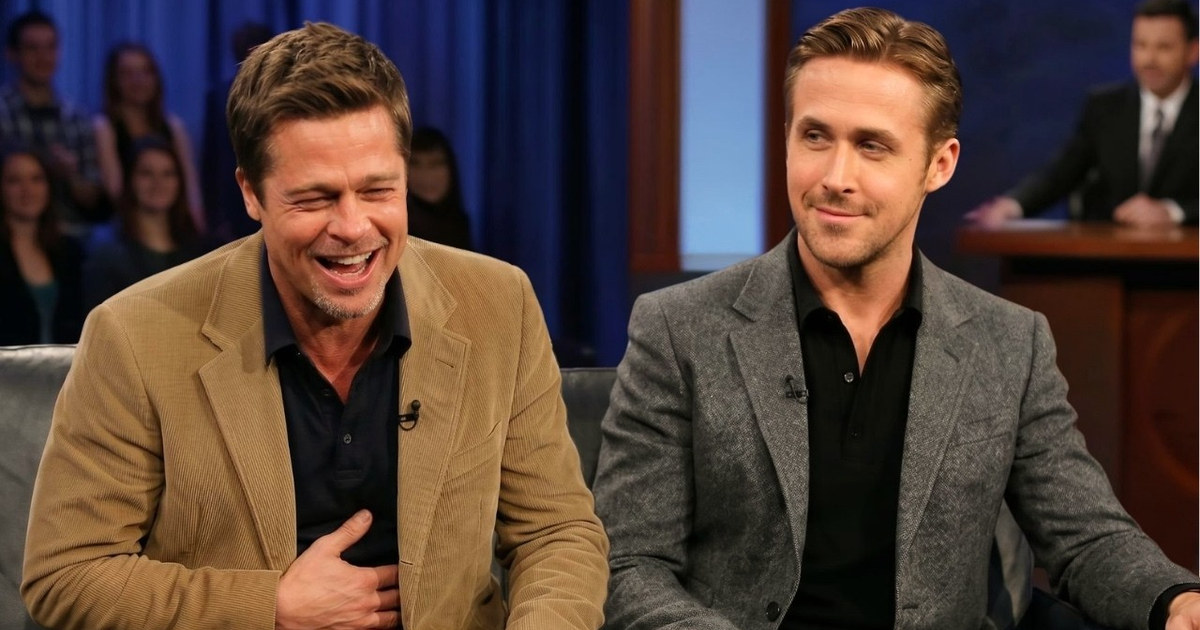
So the next time you see a Gosling clip, ask yourself: what’s the lens? Is it a tight 85mm that compresses his face, or a wide 24mm that makes him look absurd? What’s the key light? Is it flat and even, like at the AACTA Awards when he pretended not to know he’d lost? Or is it hard and directional, like on SNL, where every eyebrow raise is sculpted? And where’s the cut? Does the editor hold on him a beat too long, letting the silence do the work? That’s the secret. Gosling isn’t funny because he’s trying to be. He’s funny because he knows exactly how long the camera will hold on him — and he uses every frame to make you wait, and wait, and then break.
That’s the takeaway. Next time you laugh at a Gosling clip, remember: you’re not just laughing at him. You’re laughing at the cinematographer’s choices, the editor’s timing, and the director’s trust in stillness. And if you want to see how that translates to scripted work, stay tuned for our next part, where we break down The Nice Guys and The Fall Guy — and why the camera grammar there is a whole different problem. You won’t want to miss it.


