Part 1
Opening Image: A Little Girl in a Patchwork Coat
Fade in. A dusty gravel schoolyard nestled deep in Locust Ridge, Tennessee. The winter air is sharp enough to slice through glass. A little girl steps into the frame. She is nine years old. Bright blue eyes. A shock of blonde hair. Big, unstoppable dreams packed inside a small, fragile frame. She wears a coat sewn together from hand-me-down scraps of fabric. Pink. Yellow. Green. Blue. No two pieces match. The stitching is tight, uneven, and saturated with desperate love. The camera holds on her face. No dialogue. No background score. Just the dry crunch of gravel beneath worn-out boots.
Hold the shot. She marches toward the front steps of the wooden schoolhouse. Pause on her profile. Pride radiates off her skin like heat from a woodstove. In her mind, she is not wearing trash. She is wearing fine silk. She looks like a princess. She feels like royalty. Then the background noise swells. The laughter hits like a sudden slap. Pointed fingers. Sharp cackles. Cruel childish taunts echoing across the frozen mud. The other kids see garbage. She sees devotion. The camera pushes in tight on her eyes. Freeze frame.
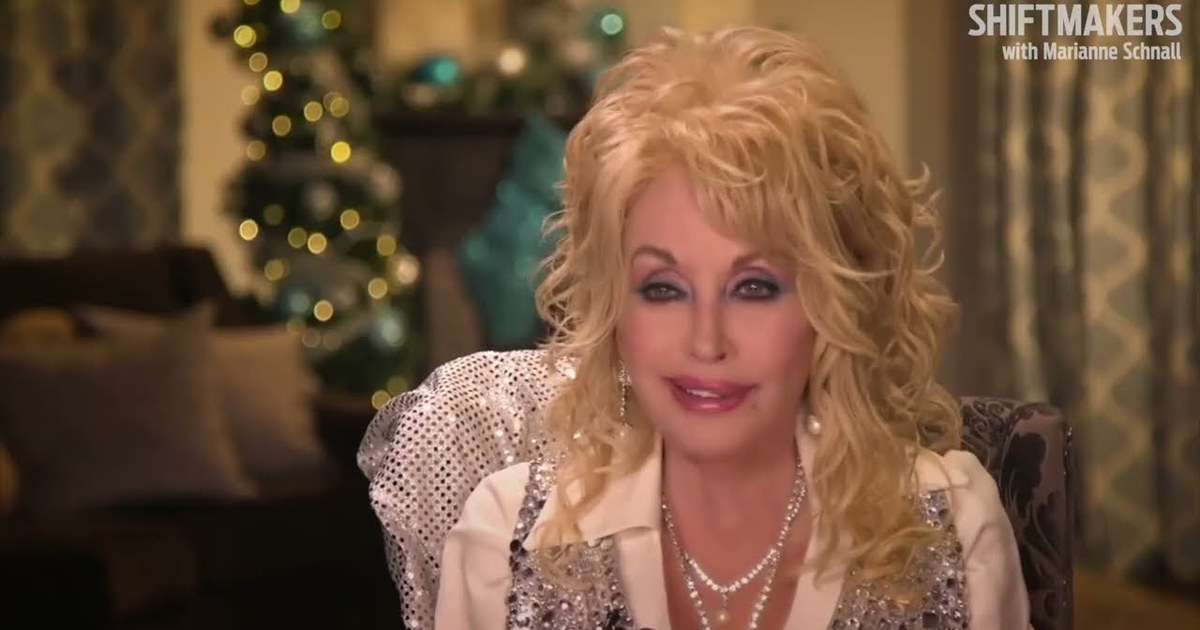
Cut to audio. Decades later. A studio microphone captures a voice soft as velvet and tough as iron. The unmistakable East Tennessee drawl cuts clean through the silence. It is the sound of an American icon looking back over her shoulder, reflecting on the cold dirt where her story began. The voice belongs to Dolly Parton, speaking in an unforgettable recorded interview featured on a special tribute episode of the ShiftMakers podcast, hosted by veteran writer and journalist Maryanne Schnull.
Opening season 5 of ShiftMakers, Schnull brings two decades of sharp journalistic instinct to the mic. She sets the tone instantly: genuine warmth, quick-witted humor, boundless generosity, and deep Appalachian wisdom. Recorded in the wake of Dolly’s passing, the tribute episode feels less like a standard broadcast and more like a sacred audio archive. Schnull prompts the music legend to trace her unbreakable spirit back to its exact point of origin. Dolly takes us right back to that small cabin, her mother's lap, and a cardboard box full of rags.
Explode the scene. Transport back inside the Parton home. Cold mountain drafts seep through newspaper-lined wooden walls. Avie Lee Parton, Dolly’s mother, sits beside the hearth with a needle and thread in her calloused fingers. There is no money in the house for winter coats. Not a single dime. But there is a fresh box of rag scraps sent over by a neighbor. Avie Lee does not simply stitch cloth together to keep out the chill; she stitches a shield. As her needle pierces the fabric, she recites the ancient biblical story of Joseph and his coat of many colors from the Book of Genesis. She tells young Dolly about a favored child, divine grace, and a garment that marked a king.
Then comes the line. It drops into the atmosphere like a golden thread: "Although we had no money, I was rich as I could be in my coat of many colors that mama made for me." That phrase was not just a lyric written in a song notebook years down the road. It was a defense mechanism forged in real time. It transformed trash into treasure. It converted extreme poverty into instant poetry. It took a pile of useless scraps and reshaped them into a robe fit for an empire.
Cut back to the schoolyard. The bullying hits like a tidal wave. The children circle around her, laughing until their faces turn red. They mock her for wearing garbage. They stomp their feet and make fun of her mother's desperate handiwork. Most nine-year-old kids would rip the coat off, run to the cloakroom, lock the door, and cry until the school bus arrived. Not Dolly. She stands her ground on the hard dirt. She looks her bullies straight in the eye. She tries to explain the story of Joseph. She tries to make them see the magic stitched into the seams. They laugh harder. But right there, in that exact beat, a monumental decision is made.
That decision—to wear the coat anyway, to wear it proudly, to refuse to let someone else's narrow, cold vision define the value of her mother's sacrifice—becomes the single lens for this entire piece. It is the defining cut of her life narrative. Every track she ever recorded, every arena stage she ever walked onto, and every million-dollar check she ever signed for child literacy programs stems directly from this playground standoff. She chose pride over shame. She chose love over fear. She took the blows, held her head high, and wore her patchwork coat like armor.
Smash cut to 1971. A recording studio in Nashville, Tennessee. Magnetic tape reels spin on giant spools. Dolly steps up to the condenser mic and sings the story into history. Released in October 1971 as the title track of her eighth solo studio album, "Coat of Many Colors" hits the country charts like a freight train. Produced by Bob Ferguson and running a tight, perfect 3 minutes and 4 seconds, the track surges all the way to number four on the Billboard Hot Country Singles chart. It isn't just a hit record; it's a cultural shift.
Dolly breaks it down on ShiftMakers: the song carries profound, innate healing qualities. Why? Because almost everybody on earth has been made fun of for something. A hand-me-down shirt. Worn-out shoes. A thick accent. Bad teeth. Living on the wrong side of the tracks. The track takes a deeply personal childhood scar and transforms it into a universal anthem of human resilience. It tells every outsider listening to the radio that their worth is not determined by their price tag.


