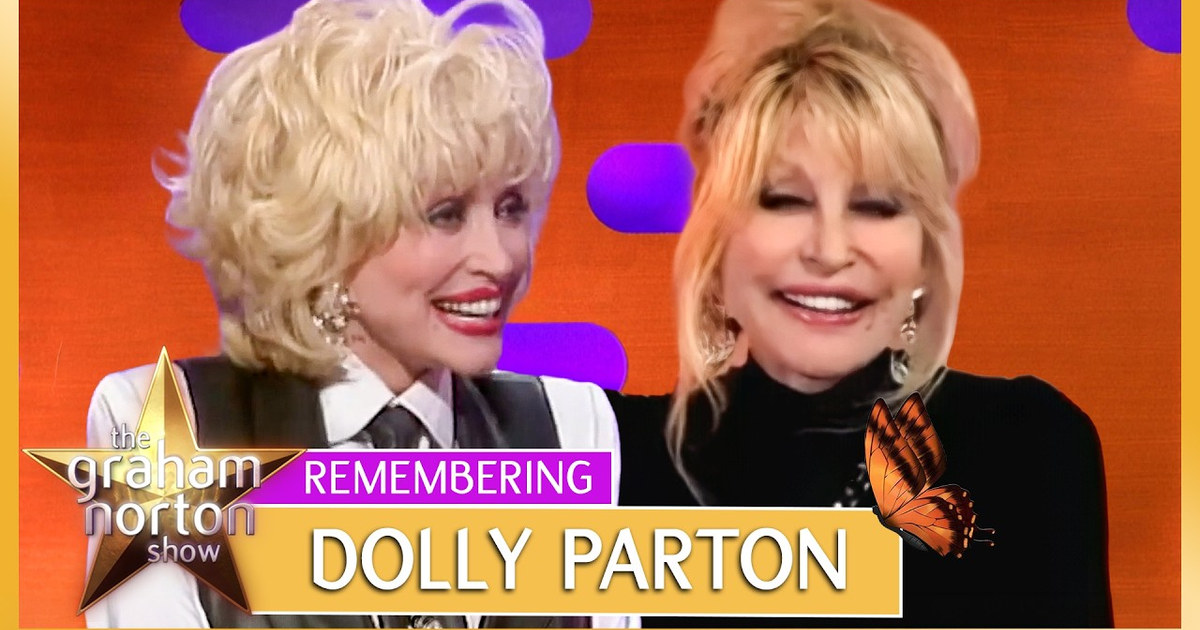
Part 1
The Cassette That Held Two Lifetimes
One tape. Two songs. No big deal.
Except it was a very big deal. In Dolly Parton's basement, buried in boxes and boxes of cassettes, sat a single demo tape. On it: 'Jolene' and 'I Will Always Love You.' Back-to-back. The same night. The same voice. The same broken heart.
Dolly wrote on a little cassette player. Nothing fancy. Just her, a guitar, and a machine that clicked when you hit record. She'd stack the tapes in shoeboxes. Years passed. The tapes aged. Magnetic tape doesn't last forever. It flakes. It fades. It rots.
So Dolly decided to digitize them. Save the history before it turned to dust. She went through the boxes. Tape by tape. Then she found it.
Two songs. Side by side. 'Jolene' first. Then 'I Will Always Love You.'
Her reaction? 'I was more surprised about that than any.'
She knew she'd written them close together. But seeing them on the same cassette? That stopped her. Two songs that would go on to live completely different lives. One became a country standard. The other became a global anthem.
'Jolene' hit the airwaves in 1973. Dolly's version peaked at No. 1 on the Billboard Hot Country Songs chart. A pleading, desperate masterpiece. That name. That riff. That urgency. It's been covered by everyone from The White Stripes to Miley Cyrus. A song so timeless it still gets played in honky-tonks and stadiums alike.
But 'I Will Always Love You'? That one took a detour. Dolly released it in 1974. It hit No. 1 on the country chart. Twice. First in 1974, then again in 1982 after the film 'The Best Little Whorehouse in Texas.' But the world didn't truly hear it until 1992.
Whitney Houston. 'The Bodyguard.' A film that grossed over $400 million worldwide. The soundtrack sold more than 45 million copies. The song became a monster. A global anthem. You couldn't escape it. You still can't.
And it all started on that one cassette. In a basement. In the early '70s.
Think about the odds. Two songs. Written in the same session. Captured on the same tape. One about a woman begging another not to take her man. The other about letting a man go with love. Two sides of the same coin. Jealousy and grace. Desperation and dignity.
Dolly didn't plan it. She just wrote. She wrote what she felt. She wrote what she knew. And she wrote it down before it disappeared.
That cassette is a time capsule. A before-and-after. Before the fame. Before the covers. Before the world sang along. Just Dolly. Alone. With a guitar. And a tape rolling.
She's written over 3,000 songs. But these two? They're the ones that changed everything. And they were born on the same night. Captured on the same tape. Waiting in the dark for decades.
When she finally heard them again, side by side, she paused. Because even she couldn't believe it. 'I was more surprised about that than any.'
One tape. Two lifetimes. No big deal.
Except it was everything.
From Basement to Bodyguard: The Journey of 'I Will Always Love You'
Rewind the tape. Same night. Same cassette. Two songs. One broke hearts. The other broke records.
We told you about 'Jolene.' The redhead with the flame. The plea. The paranoia. But flip the cassette. There's another track. A goodbye. A slow burn. A song that almost went to the King.
[[AD]]
Elvis Presley wanted it. Wanted it bad. His people called Dolly Parton the night before she was set to record with him. The deal was done. The studio was booked. Then Colonel Tom Parker stepped in.
The Colonel's rule: 'We don't do songs we don't publish.' He wanted half the publishing. Dolly said no. Just like that. She walked away from Elvis Presley. She was heartbroken. But she kept the song.
Cut to 1992. The Bodyguard. Whitney Houston. Kevin Costner. Director Mick Jackson. Runtime: 2 hours 9 minutes. A thriller with a love story. A soundtrack that would not die.
Dolly's version? A country ballad. Quiet. Tender. Whitney's version? A nuclear bomb. Produced by David Foster. Arranged by Foster and Whitney. Starts a cappella. Then the drums hit. Then the key change. Then the world stops.
Dolly was driving home in Brentwood. Radio on. Then she heard it. That voice. That arrangement. She had to pull off the road. 'I had to pull off the side of the road, seriously, to listen to it,' she said.
She sat there. In her car. Listening to Whitney Houston sing her song. The song Elvis almost took. The song she refused to give away. And it was huge. Bigger than she ever imagined.
[[VIDEO]]
The Bodyguard soundtrack sold over 45 million copies worldwide. Whitney's 'I Will Always Love You' became one of the best-selling singles of all time. It topped charts in 20 countries. It won Grammy Awards. It became a funeral staple, a wedding staple, a karaoke staple.
Dolly's reaction? Pure joy. 'I don't think I'll ever have a greater thrill, ever,' she said. Not bitter. Not jealous. Thrilled. Because her song — her baby — had found its ultimate voice.
Elvis wanted it. She said no. Whitney took it. The rest is history.
But let's rewind again. Back to that basement. Back to that cassette. Dolly didn't know she was writing a future standard. She was just writing. Feeling. Bleeding. The song was for Porter Wagoner. Her mentor. Her boss. Her tormentor. She was leaving his show. She needed to say goodbye. So she wrote it. And she meant every word.


