Part 3
[[AD]]
And then there’s the meta-moment: “Ellen, you were invited.” That line, seemingly from a talk show or a reality event, is a perfect example of invitation politics—who gets to be in the room, who gets to speak, and who gets to call out the host. It’s a direct challenge to the power dynamic of the interview. After the 2020 Ellen DeGeneres toxic workplace scandal, interviews with Ellen became confessions, not promotions. The audience wanted accountability, not anecdotes. The “you were invited” clip flips the script: the guest is reminding the host that they are there by choice, and that choice can be revoked. It’s a subtle power play that only works in an unscripted format.
The controlled celebrity interview is dead. Platforms reward the unscripted—the slip, the scream, the block. PR teams can try to manage the narrative, but the algorithm doesn’t care about their talking points. It cares about engagement, and nothing engages like a meltdown. So what happens when the audience becomes the interrogator? That’s the next frontier. When fans, algorithms, and memes rewrite the script, the celebrity has no place left to hide. The machinery of the meltdown has already been built, and we’re all part of it.
The Audience as Interrogator: When Fans, Algorithms, and Memes Rewrite the Script
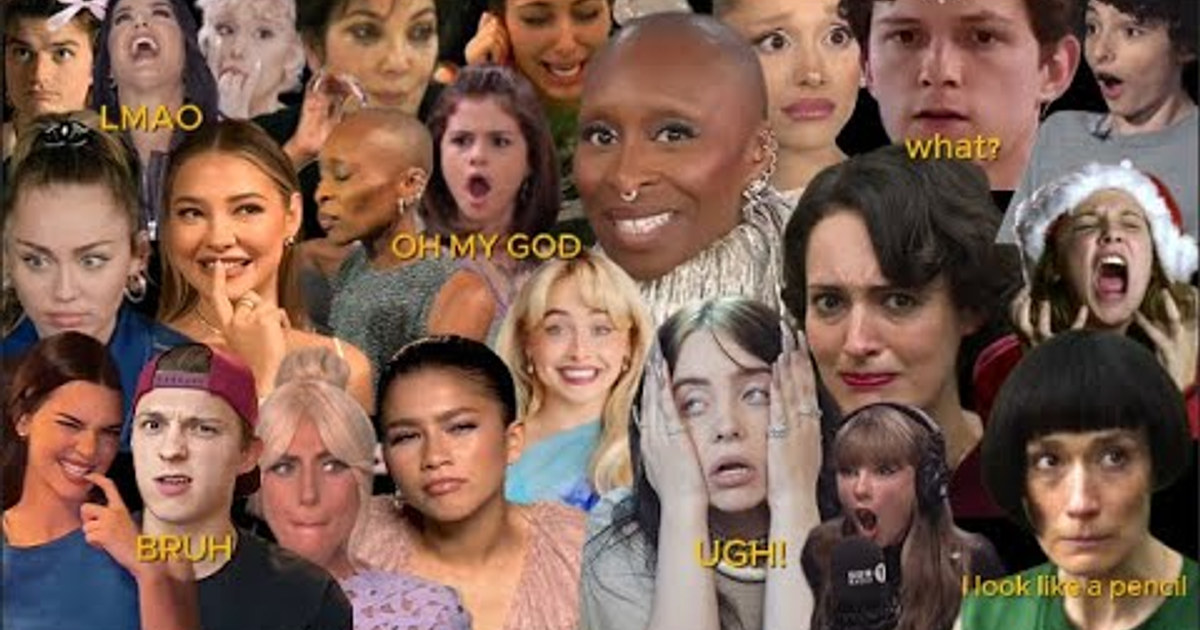
You’ve probably seen the clip: a fan, voice cracking, shouting “Timothée Chalamet, leave Kylie Jenner, pick me!” It’s from a live stream or a fan event, and it went viral not because it was sweet, but because it was raw, unfiltered, and a little unhinged. That moment captures something essential about the modern celebrity interview: the audience isn’t just watching anymore. They’re interrogating. They’re rewriting the script in real time, turning press tours into memes, and forcing stars to respond to questions no publicist ever approved.
Take the 2023 Wonka press tour. Timothée Chalamet was there to promote a whimsical Roald Dahl adaptation directed by Paul King. Instead, his relationship with Kylie Jenner became the story. Every red carpet, every junket interview, every TikTok edit circled back to it. The film’s actual runtime—1 hour 56 minutes—was irrelevant. What mattered was the fan plea, the meme, the moment. It’s a pattern we’ve seen before: in 2013, Jaden Smith’s tweets overshadowed After Earth, a sci-fi misfire directed by M. Night Shyamalan. The press wanted to talk about the movie; the internet wanted to talk about Jaden. The audience had already rewritten the narrative.
And then there’s the “100 people in a room” repetition. You know the one: “There can be a 100 people in the room and 99 don’t believe in you…” It’s likely a misquote or a parody of an inspirational speech, possibly from a beauty influencer or reality star, turned into a viral edit. It’s the kind of clip that gets looped until it loses all meaning, then gains a new one. Compare it to the 2015 Ariana Grande donut-licking scandal. A single clip—she licked a donut and said “I hate America”—defined her year. It didn’t matter that she apologized or that the context was a private moment. The audience had the footage, and they ran with it. The interview, the apology, the damage control—all of it was secondary to the meme.
Ad: [Ad marker]
Now consider the “French fries are American” food debate clip. It’s likely from a talk show or podcast, a throwaway comment that ignited a cultural firestorm. In 2022, The Bear interviews often veered into food and culture clashes—Jeremy Allen White talking about Italian beef, Ayo Edebiri on Chicago’s culinary identity. But the audience didn’t just listen; they interrogated. They demanded authenticity, then mocked it when it felt performative. It’s like the 2018 Ugly Delicious episodes where David Chang interrogated authenticity itself, asking who gets to define a cuisine. The audience is now doing the same to celebrities: “You say you love this food? Prove it. Or better yet, let us meme you into oblivion.”
Then there are the ambush interviews: the “deaf” coffee shop clip, the “sex ed” rant. These are from street interviews or prank shows, where the subject is caught off guard and the audience becomes the interrogator. It’s the same energy as 2021’s Borat Subsequent Moviefilm, where Sacha Baron Cohen used ambush interviews to satirize American culture. Or the 2019 Jimmy Kimmel Lie Witness News segments, where pedestrians are asked about nonexistent events and their confident answers become the punchline. The audience isn’t just consuming; they’re participating, setting traps, and filming the fallout.
Finally, the defiant clip: “I don’t give a flying [__]” and “I still love myself.” It’s from a reality star or influencer, a moment of raw self-affirmation that feels both empowering and absurd. It’s the perfect distillation of the reframed question: The cringe isn’t a bug; it’s the feature. We are the ones who made it viral. We clicked, we shared, we commented. We turned a human moment into content, then judged the human for being content. The next time you watch a celebrity interview, ask who’s really performing. Is it the star, or is it us? And stay tuned for a deep dive into the 2024 awards season’s most awkward moments—because if you thought this was cringe, you haven’t seen anything yet.


