Part 4
In The Best Little Whorehouse in Texas (1982), again directed by Colin Higgins, she plays Miss Mona. The role is a madam with a heart of gold. Her glamour is part of the character's authority. She runs a business. She takes care of her girls. She stands up to a crusading TV reporter (Dom DeLuise) and a hypocritical governor. Her look is not a costume. It is a uniform. It tells you she is in charge. The film was a musical comedy, and Dolly held her own alongside Burt Reynolds. She did not hide her talent behind the wig. She used the wig to project it.
Then came Steel Magnolias (1989), directed by Herbert Ross. She plays Truvy Jones, the salon owner. Her glamour is not superficial. It is community care. Truvy's salon is where the women of Chinquapin Parish come to laugh, cry, and get their hair done. Dolly's look — the big hair, the makeup, the warmth — is part of the ritual. She creates a space where women can be themselves. The wig is not a distraction from the drama. It is the drama's heartbeat. When she says "there is no such thing as natural beauty," she is not being shallow. She is offering a philosophy. The image is an instrument of comfort.
In Straight Talk (1992), directed by Barnet Kellman, she plays a radio host who gives advice. Her image as a country girl with big hair is part of her appeal. The film uses her look to signal authenticity. She is not a polished city therapist. She is a woman who has lived. The wig is not a lie. It is a truth about who she is. And in Dumplin' (2018, Netflix), directed by Anne Fletcher, her image and music help a teenager accept herself. The film is about a plus-size girl who enters a beauty pageant. Dolly's music and her own body positivity are central. She executive produced the film. She does not appear as a character, but her presence is everywhere. The image travels across genres because it is not a gimmick. It is a language.
She kept speaking that language. Dolly Parton's Christmas on the Square (2020, Netflix), directed by Debbie Allen, cast her as an angel. The image is literally a magical instrument. She also wrote the music. And Dolly Parton's Heartstrings (2019, Netflix) was an anthology series where her songs inspired episodes. She executive produced and appeared in some. Then came Rockstar (2023), her rock album. She recruited Paul McCartney, Ringo Starr, Elton John, and more. Her image as a country glamour queen did not stop her from rocking. It amplified it. The instrument works in any genre. That is not distraction. That is range.
The Look-Alike Contests Prove It's a Public Language.
Here is the evidence that the image is not a private mask. It is a public language. Dolly says the Dolly Parton look-alike contests are mostly men. And they are usually the prettiest. She almost entered one at the Palomino Club in Los Angeles under a different name. She thought it would be funny to go as herself and lose. She didn't do it, but she wanted to. That story is not just a funny anecdote. It is proof that her image belongs to the culture now. People use it to play.
Men dressing as Dolly is gender performance. It is drag. It is homage. She created a character so strong it can be worn by anyone. That is not distraction. That is influence. When your image becomes a costume that others can put on, you have built something bigger than a brand. You have built a myth. And myths are not distractions from talent. They are the vehicles that carry talent into the future. Dolly's look-alike contests are participatory theater. She wrote the script. Everyone else gets to perform it.
So no, the image does not distract from her talent. It is the stage on which her talent performs. It is the microphone that carries her voice. It is the costume that turns a songwriter into a character. And that character has done more for her career than any plain ponytail ever could.
Yes, the Image Has Costs. I'll Admit That.
But let me give the strongest counter-argument its due. The image has costs. Dolly admits she almost entered a Dolly Parton look-alike contest but feared she might lose. That fear is telling. When your image is bigger than you, you can become a guest in your own legend. She has been underestimated. She has been talked over. She has been treated as a joke by some. Serious dramatic roles may have been harder to get. The wig can be a cage as well as a megaphone. The glitter can blind people to the grit underneath. For every fan who sees the strategy, there is a critic who sees only the surface. That is a real price.
But here is the thing. She keeps the keys. She has used the image to fund things she cares about. The Imagination Library (1995) mails free books to children around the world. Dollywood (1986) employs thousands and turned a corner of Tennessee into a destination. Her philanthropy is vast. She funded COVID-19 vaccine research. She made a rock album in 2023 because she wanted to. The bargain was worth it. She did not hide behind the wigs. She spoke through them. The consensus says the wigs are a mask. The truth is they are a megaphone. She used them to get attention, and then she used that attention to do good. That is not distraction. That is strategy.
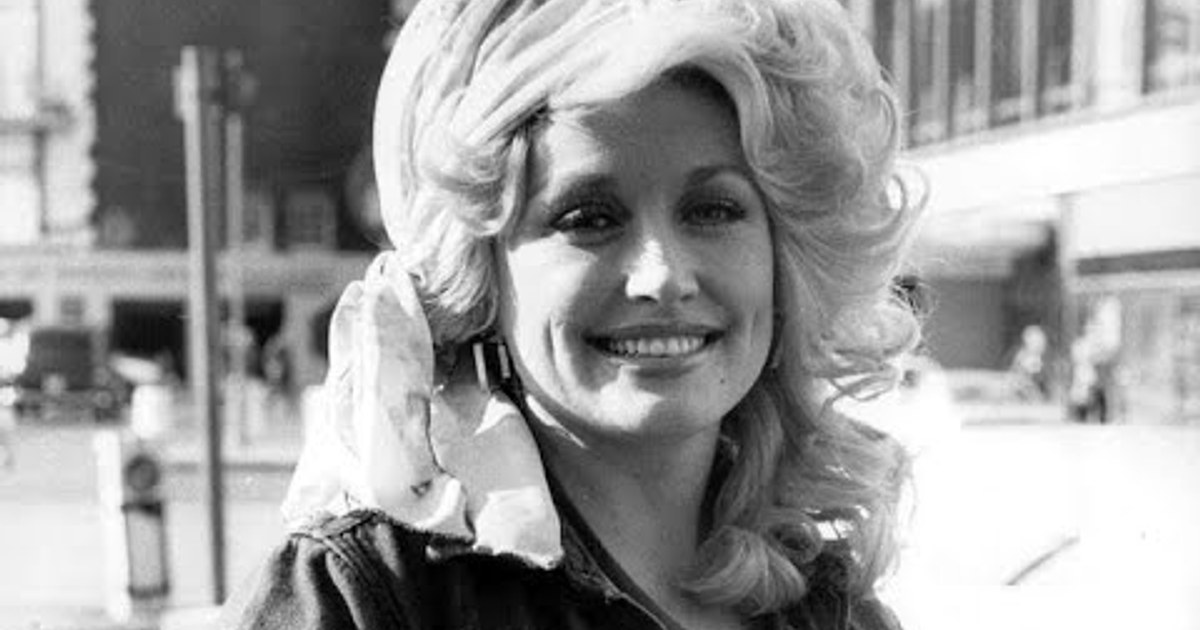
The 1978 interview shows Dolly explaining her own operating system. She calls it a gimmick, but she is being modest. It is a deliberate, self-authored performance instrument. She built a character that could carry her talent to places her talent alone might not have reached. And she never let the character carry her away. She kept the keys. That is the difference between a mask and a megaphone. A mask hides you. A megaphone projects you. Dolly Parton has been projecting for over sixty years. And we are still listening.
Next: we look at Dolly Parton's filmography and the business of being Dolly, including how Dollywood changed country music tourism and why her Netflix era matters. From 9 to 5 to Dumplin', from Imagination Library to Rockstar, the instrument keeps playing. And we will be listening.


