Part 1
The Consensus: Dolly Parton’s Wigs Are a Gimmick. Wrong — They’re a Control Panel
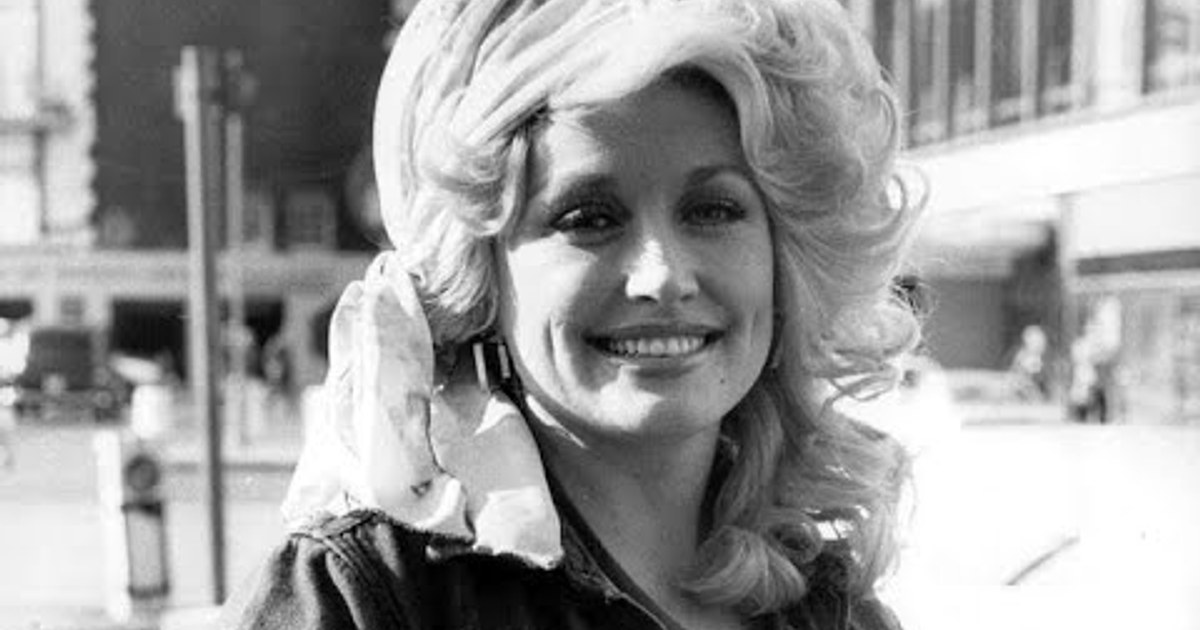
The consensus is a shrug and a one-liner: Dolly Parton’s wigs are a gimmick. The rhinestones, the teased hair, the makeup that arrives in the room three minutes before she does — it’s a costume, a bit, a mask she wears so you stare at the sparkle instead of the songwriting.
And the annoying part is that Dolly agrees. Kind of. In a 1978 interview she says it herself: she started wearing the wigs “just for the convenience and for the gimmick of it.” She says the whole presentation is “for attention and you can’t miss me.” She laughs about how cheap and easy her look is to copy.
So the consensus reads the receipt, nods, and closes the file. Gimmick. Confirmed. Dolly said so. Nothing to see here.
That reading is wrong — not slightly wrong, structurally wrong. A gimmick is something you hide behind. A control panel is something you operate. What Dolly built in the late 1960s and 1970s is the second thing: a system of wigs, height, color and shine that she uses, on purpose, to steer what an audience sees, feels and remembers. She isn’t wearing a mask. She’s running a console.
Start With What She Actually Says
Go back to that Dolly Parton interview 1978 fixture and listen to the order of events, because the order matters. She doesn’t start with the wigs. She starts with a sophomore in high school in the Great Smoky Mountains of Tennessee, in a family of twelve kids — six girls, six boys — who discovered that she genuinely loved working with hair because it was something creative she could do with her own hands.
There’s a practical detail buried in there too: she’s short. Big hair is architecture. It adds height in a room where height is status. That’s not vanity; that’s engineering.
Then the teased-hair fashion went out of style. Everybody else moved on. She didn’t. Her own words: for many years after it was out of style, she kept doing her hair with the teased stuff anyway. That should already tell you this was never about following a trend.
Then the music business stepped in and told her to change. Not because the hair was ugly — because they thought she would be taken more seriously if she looked more “fashionable.” Read that again. The industry’s pitch was: shrink yourself and we’ll respect you.
Her response is the entire story of her career in one sentence. She decided she would not only not change it, but she would over-exaggerate it. That’s when the wigs came in — convenience, sure, but also the deliberate choice to become unmissable. Country music image has always been a negotiation between the artist and the machine. Dolly ended the negotiation by raising the stakes.
This Wasn’t Teenage Rebellion. It Was Strategy
Here’s where the “she just never grew out of a phase” reading collapses. Plenty of people keep a haircut out of habit. Habit doesn’t survive a sit-down with the people who book your records and pay your bills.
Dolly was not a teenager with nothing to lose when she made that call. By then she was a weekly television presence on The Porter Wagoner Show, which she joined in 1967 and stayed with until 1974. Eight years of syndicated country television, week in and week out, in front of an audience that had to recognize her instantly and remember her permanently. That is the exact environment where a visual trademark isn’t decoration — it’s infrastructure.
And the songs were already there. “Jolene” landed in 1973. “I Will Always Love You” in 1974. Both written by her, from her own life and her own imagination. Nobody needed to look past the hair to find the songwriter. The hair was never covering her up — it was pullng more eyes onto the writing.
That’s branding before personal branding was a consulting category. She took the one asset the industry wanted to minimize and made it the thing they had to sell. You don’t do that by accident. You do that by looking at the machine and deciding you’ll be the loudest part of it.
A Gimmick Can’t Be Replicated. A Control Panel Can.
Now the evidence that actually ends the argument: Dolly Parton look-alike contests.
She says they’re hugely popular back home in the United States, that radio stations hold them, and that people come from everywhere looking like her. Her explanation is disarmingly plain: she’s easy to look like, because all you need is a big wig and a costume. She’s especially popular at Halloween and masquerade parties for the same reason — it’s cheap, it’s convenient, and you don’t need expensive wigs or expensive clothes to pull it off.
Then comes the detail that should be framed and hung in a museum. The biggest part of the people who show up to these contests are men dressed as her — and, in her words, they are usually the prettiest ones.
She almost joined one herself. She says there was a Dolly look-alike contest at the Palomino Club, the famous country and western club in Los Angeles, and she wanted to enter under a different name, dressed the way she imagined the other contestants would dress, just to see how funny it would be if the real Dolly Parton walked in and lost. She didn’t do it, because she was afraid she might. But she almost did — and she says one of these days she probably will.


